Complete Plant Guide
Explore plants by difficulty, season and more. Find the perfect plant for you.
Difficulty
Categories
Plants by City
🗺️ Plants by City3454 plants found
Showing 2737-2772 of 3454
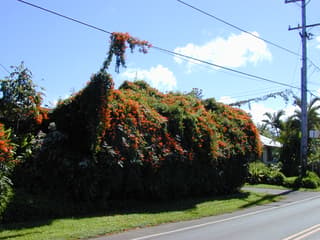
Golden Shower Vine
Pyrostegia
Pyrostegia is a vigorous evergreen to semi-deciduous climbing vine in the Bignoniaceae family, native to southern Brazil, Bolivia, Paraguay, and northeastern Argentina. The genus is effectively monotypic in cultivation, dominated by Pyrostegia venusta, commonly called the flame vine or golden shower vine for its abundant clusters of tubular orange flowers that blanket the plant in winter and early spring. Its branched tendrils cling readily to fences, walls, and pergolas, making it a popular choice for covering large vertical spaces quickly.
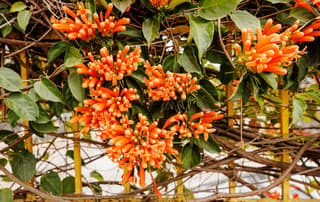
Flame Vine
Pyrostegia venusta
Pyrostegia venusta, commonly known as Flame Vine or Orange Trumpet Vine, is a spectacular Brazilian climbing plant celebrated for its cascading displays of vivid orange tubular flowers during winter and fall. A member of the Bignoniaceae family, it is one of the most ornamental vines in tropical and subtropical gardens.
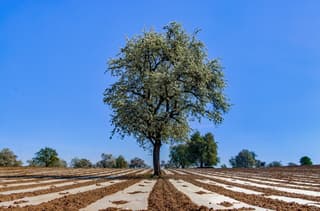
Pear
Pyrus
The genus Pyrus, in the family Rosaceae, encompasses the cultivated pear trees grown worldwide. The European pear (Pyrus communis) is the most widely cultivated species, prized for its sweet, buttery fruit enjoyed fresh, cooked, or preserved. These deciduous trees produce abundant clusters of white spring blossoms before the leaves emerge, making them beautiful ornamental and fruit-bearing trees in gardens and orchards. Native to Europe and Western Asia, pear trees have been cultivated for over 5,000 years and hold an important place in culinary and cultural history.
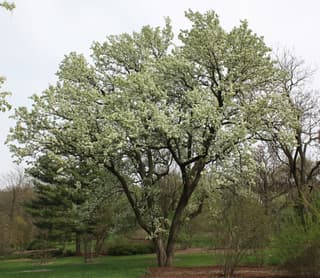
Callery Pear
Pyrus calleryana
Pyrus calleryana, known as the Callery pear, is a deciduous tree native to China and Vietnam. It is famous for its dense covering of white flowers in early spring and its glossy green leaves that turn brilliant shades of red, orange, and purple in the fall. While popular in landscaping for its fast growth and symmetrical shape, it is increasingly considered an invasive species in many regions due to its ability to spread rapidly and outcompete native flora. The blossoms are also known for having a distinct, often pungent odor.
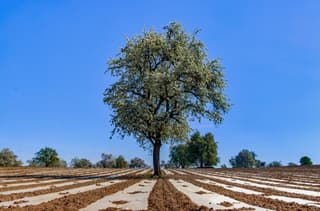
European Pear
Pyrus communis
Pyrus communis, the European Pear, is one of the oldest cultivated fruit trees in human history, originating in the temperate regions of Europe and Western Asia. It belongs to the Rosaceae family and is celebrated for producing some of the world's most beloved fruit cultivars — including Bartlett (Williams), Bosc, Anjou, and Conference. A deciduous tree that can reach up to 12 meters in height, it bursts into beautiful white blossoms each spring before leafing out, and bears sweet, juicy fruit in late summer and early autumn.
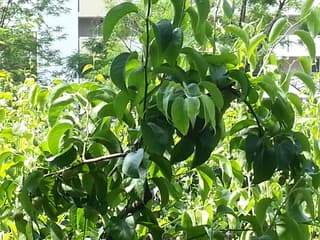
Asian Pear
Pyrus pyrifolia
Pyrus pyrifolia, the Asian or nashi pear, is a deciduous fruit tree native to East Asia (China, Japan, and Korea) in the rose family Rosaceae. It grows 7-15 m tall with a rounded crown, glossy serrated leaves, and clusters of fragrant white five-petaled flowers that open in early spring before the leaves. Its fruit is round, crisp, and juicy rather than the soft, buttery texture of European pears, with russeted or golden skin and a sweet, mildly floral flavor. Widely cultivated in Japan, China, and Korea, and increasingly in orchards worldwide, it requires a period of winter chilling to break dormancy and set fruit.

Oak
Quercus
Quercus is a genus of approximately 500 species of oaks native to the northern hemisphere, spanning Europe, Asia, and the Americas. These majestic, slow-growing trees are among the most ecologically important in the world — a single mature oak can support over 500 species of insects, birds, and mammals. They produce iconic acorns and can live for hundreds or even thousands of years.
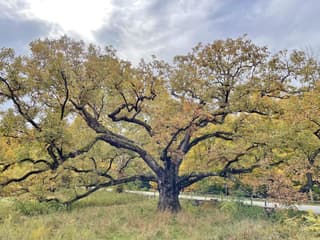
White Oak
Quercus alba
Quercus alba, commonly known as the white oak, is a large deciduous tree native to eastern North America, prized for its rounded crown, rugged light-gray bark, and lobed leaves that turn deep burgundy in autumn. It can live for centuries and eventually reach heights of 24-30 meters, making it a cornerstone species of hardwood forests and a favorite shade tree for spacious landscapes.
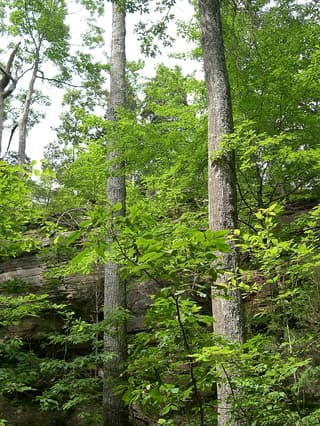
Scarlet Oak
Quercus coccinea
The scarlet oak is a majestic deciduous tree native to the eastern United States, renowned for its spectacular scarlet-red autumn foliage. Belonging to the Fagaceae family, it can reach up to 80 feet tall with a broad, rounded canopy. It thrives in acidic, sandy, well-drained soils and becomes highly drought-tolerant once established.
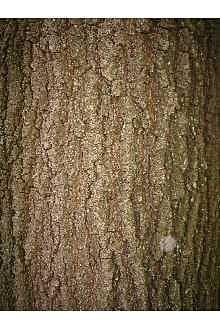
Southern red oak
Quercus falcata
The Southern Red Oak is a large, stately deciduous tree native to the southeastern United States. It is characterized by its distinctive leaves, which often feature a long, narrow terminal lobe, and its dark, furrowed bark. It is a vital species for local ecosystems, providing habitat and food for numerous wildlife species.
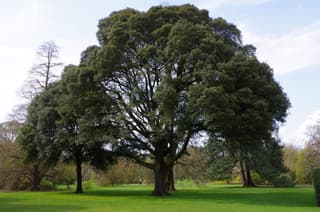
Holm Oak
Quercus ilex
The Holm Oak (Quercus ilex) is a Mediterranean evergreen tree with a dense, rounded crown and leathery leaves, glossy dark green above and grayish beneath. Extremely drought- and heat-tolerant, it is one of the most iconic species of the Iberian dehesa woodland-pasture system, valued for its shade and acorns.
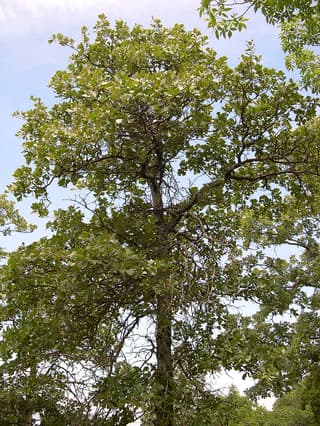
Blackjack Oak
Quercus marilandica
Blackjack Oak is a small to medium deciduous tree native to the dry, sandy and rocky uplands of central and eastern North America. Named for its dark, blocky bark, it is prized less for ornamental beauty and more for its toughness — thriving in poor, acidic soils where few other trees survive. Its distinctive leathery, three-lobed leaves and gnarled, irregular crown make it a valued native for woodland and wildlife gardens.
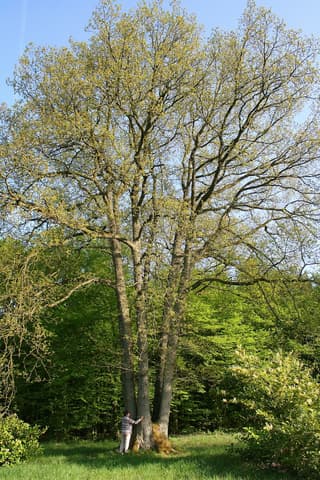
Sessile Oak
Quercus petraea
The sessile oak (Quercus petraea) is a large deciduous tree native to the temperate forests of Europe. It can live for several centuries and reach up to 40 meters in height, forming a broad, rounded crown. Its lobed leaves and stalkless (sessile) acorns distinguish it from the closely related pedunculate oak (Quercus robur).
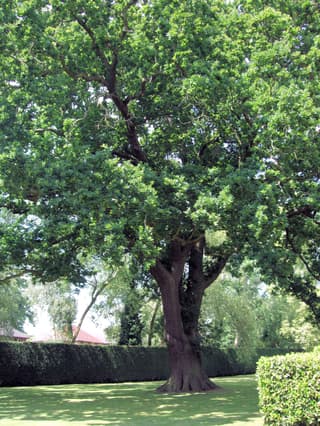
English Oak
Quercus robur
The English oak (Quercus robur) is a large deciduous tree native to Europe and parts of western Asia, belonging to the family Fagaceae. It can exceed 30 meters in both height and spread, with a broad, rounded crown, a stout trunk, and deeply furrowed bark. Its common name comes from the long stalks (peduncles) that bear its acorns, a feature that distinguishes it from close relatives like the sessile oak (Quercus petraea). It is an extremely long-lived tree, capable of living for several centuries, and plays a vital ecological role, supporting hundreds of species of insects, fungi, and lichens.
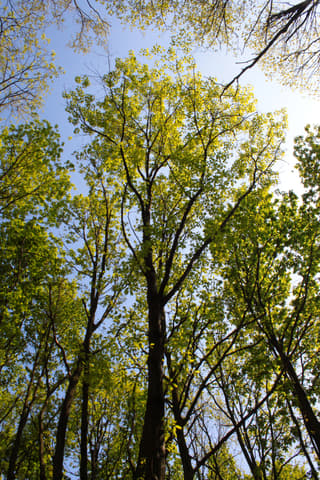
Northern Red Oak
Quercus rubra
The Northern Red Oak (Quercus rubra) is one of the most majestic deciduous trees of eastern North America. It can exceed 70 feet in height with a broad, rounded crown and deeply lobed leaves that turn brilliant scarlet, russet, and crimson in autumn. Among the faster-growing oaks, it is prized as an ornamental shade tree, street tree, and critical wildlife habitat.
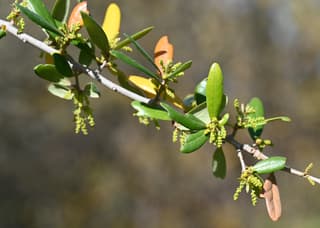
Southern Live Oak
Quercus virginiana
Quercus virginiana, the Southern Live Oak, is a majestic, long-lived evergreen oak native to the southeastern United States. It is renowned for its broad, sweeping canopy, thick gnarled trunk, and ability to thrive in coastal conditions. Trees can live for centuries and grow to enormous proportions, with horizontal branches that may span wider than the tree is tall. The Southern Live Oak is a keystone species of the American South, providing habitat for countless wildlife species and shading entire neighborhoods.
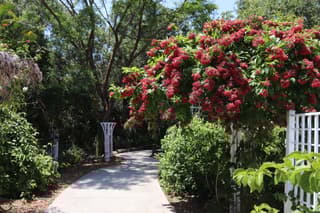
Rangoon Creeper
Quisqualis indica
Rangoon Creeper (Quisqualis indica) is a vigorous tropical climbing vine native to Southeast Asia, celebrated for its stunning tricolor flowers that magically transform from white to pink to deep red over three days. This fast-growing liana from the family Combretaceae can reach impressive heights of 8 meters or more, making it perfect for covering trellises, pergolas, fences, and arches. Beyond its ornamental beauty, the plant holds significant medicinal value in traditional Asian medicine, where seeds, leaves, and roots have been used to treat intestinal parasites and other ailments.
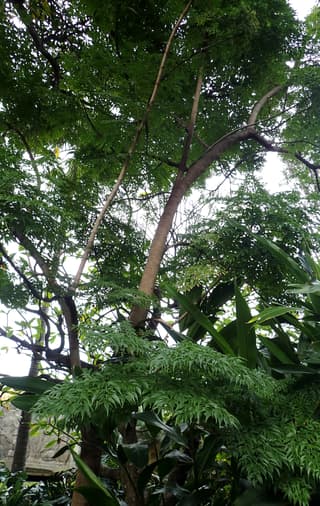
China Doll Plant
Radermachera sinica
The China Doll Plant (Radermachera sinica) is an elegant evergreen tree from the Bignoniaceae family, native to southern China and Taiwan. It features glossy, finely divided bipinnate leaves that give it a delicate, lacy appearance. While it can reach up to 30 meters in its natural habitat, as a houseplant it typically grows to 1.2-1.8 meters. It is prized for its ornamental foliage and air-purifying qualities, effectively removing toxins like benzene and formaldehyde from indoor air.
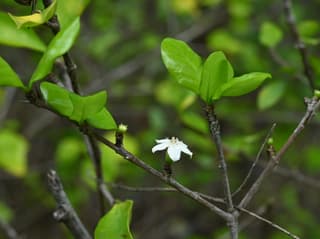
White Indigoberry
Randia aculeata
A spiny, evergreen shrub or small tree in the Rubiaceae family, native to dry coastal forests, pine rocklands, and rocky outcrops of the Caribbean, Central America, and southern Florida, also occurring in Colombia and Venezuela. It features nearly horizontal, thorny branches, dense glossy foliage, and fragrant white flowers that bloom primarily in spring and summer. Its globose white fruits contain a bluish pulp traditionally used as a dye. It is extremely tolerant of drought, wind, and salt spray, making it popular for coastal landscaping.
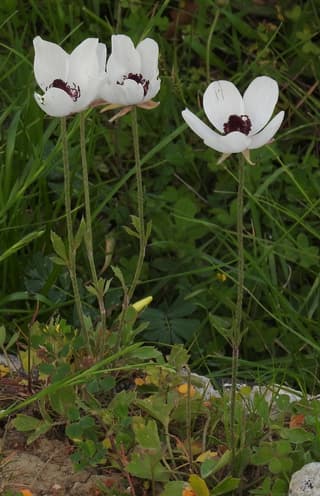
Persian Buttercup
Ranunculus asiaticus
The Persian Buttercup (Ranunculus asiaticus) is a tuberous perennial native to the Mediterranean and Western Asia, prized for its lush, multi-layered blooms resembling miniature roses. A top choice for cut flower arrangements, it blooms in a wide spectrum of colors including white, yellow, red, pink, purple, and orange. All parts of the plant contain protoanemonin and are toxic to humans, cats, and dogs.

Hairy Buttercup
Ranunculus sardous
Hairy buttercup (Ranunculus sardous) is a winter annual herb in the Ranunculaceae family, native to Europe, North Africa, and the Canary Islands. It features densely hairy stems and leaves and glossy, golden-yellow five-petaled flowers blooming from early spring through summer. It is common in moist fields, pastures, and disturbed areas, and is considered a weed in many regions outside its native range.
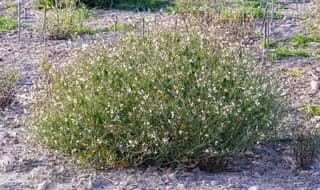
Wild Radish
Raphanus raphanistrum
Wild Radish (Raphanus raphanistrum) is a fast-growing annual in the Brassicaceae family, native to the Mediterranean basin and now naturalized worldwide. It thrives in disturbed soils, roadsides, and agricultural fields. The plant produces characteristic four-petaled flowers in white, yellow, or pink with dark veins, and its young leaves and flower buds are edible with a peppery flavor reminiscent of arugula. Despite being classified as a weed in many agricultural contexts, it holds ecological value as a pollinator plant and historical importance as a famine food.
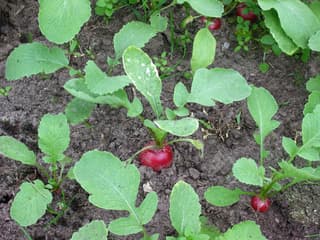
Radish
Raphanus sativus
Raphanus sativus, commonly known as radish, is a fast-growing annual or biennial vegetable in the Brassicaceae family. Native to Asia, it has been cultivated for over 2,000 years across the world for its crisp, edible roots. The plant grows a rosette of pinnate leaves and produces white-to-purple four-petaled flowers. Varieties range from small round red types to long white daikon radishes. It is a cool-season crop beloved by gardeners for its quick harvest and ease of growing.
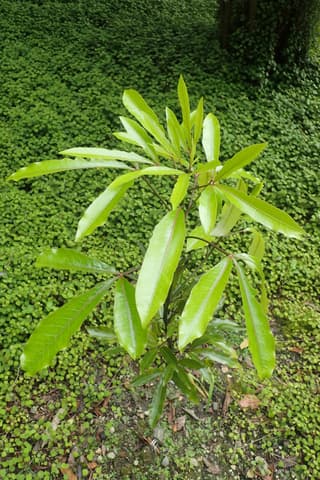
Raukaua
Raukaua
Raukaua is a small genus of evergreen shrubs and trees in the family Araliaceae, native to New Zealand and southern South America (Chile and Argentina). The genus comprises 6 species, all woody plants with heteroblastic foliage — juvenile leaves often differ dramatically from adult leaves. Most notable is R. anomalus, a divaricating shrub with zig-zag interlaced branches typical of New Zealand's unique flora. Māori historically extracted aromatic oil from R. edgerleyi leaves, used medicinally and ritually.
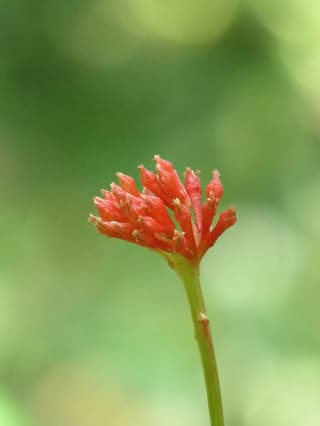
Indian Snakeroot
Rauvolfia
Rauvolfia is a genus of evergreen shrubs in the Apocynaceae family, native to subtropical and tropical regions of Asia, Africa, and the Americas. The most well-known species, Rauvolfia serpentina (Indian snakeroot), grows wild in sub-Himalayan areas up to 1000 m in altitude and has historically been cultivated for its roots, which are rich in indole alkaloids such as reserpine, used in Ayurvedic medicine and, since the 20th century, in Western pharmacology to treat hypertension. The plant produces small white-pink flowers clustered in terminal inflorescences and purple or black berries when ripe.
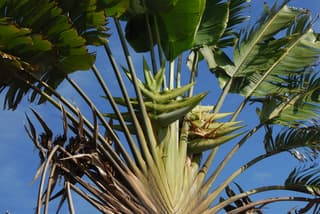
Traveller's Palm
Ravenala madagascariensis
Ravenala madagascariensis, known as the Traveller's Palm, is a striking evergreen plant native to Madagascar, prized for its enormous paddle-shaped leaves that unfurl in a dramatic fan reminiscent of a peacock's tail. Despite its common name, it is not a true palm but a close relative of the bird-of-paradise and banana, belonging to the family Strelitziaceae. Mature specimens can reach 9 to 15 meters tall and are iconic in tropical landscaping.
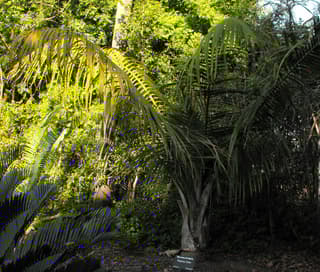
Majesty Palm
Ravenea rivularis
Ravenea rivularis, commonly known as the Majesty Palm, is a stately tropical palm native to the riverbanks of Madagascar. It features graceful arching fronds and can grow up to 80 feet tall in its natural habitat, though indoors it typically reaches 6-10 feet. It is one of the most popular indoor palms for its elegant, tropical appearance.
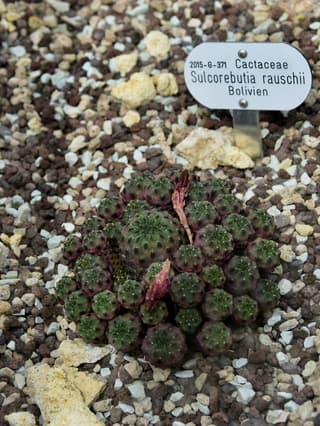
Crown Cactus
Rebutia canigueralii
Rebutia canigueralii is a small globular cactus native to the mountainous regions of Bolivia, where it grows among rocks and stony soils at high altitudes. It forms compact colonies of spherical stems that rarely exceed 10 cm in height, covered with fine, whitish radial spines. In spring, it produces numerous showy flowers in shades of orange, pink, or red with a contrasting center, which open around the base of the stem. It is a slow-growing species highly valued by collectors for its small size, abundant flowering, and hardy nature.
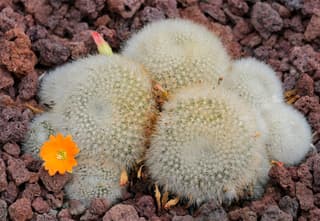
Red Crown Cactus
Rebutia minuscula
Rebutia minuscula, commonly known as the Red Crown Cactus, is a tiny globular cactus native to the mountainous regions of Argentina. Despite reaching only 8 cm in height, it produces an impressive display of red, pink, and orange funnel-shaped flowers from the base of the plant each spring and summer. It is widely regarded as one of the easiest cacti to grow and flower indoors.
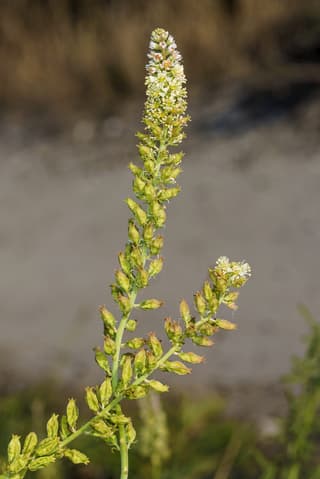
White Mignonette
Reseda alba
Reseda alba, commonly called white mignonette or white upright mignonette, is an annual or short-lived perennial herb in the Resedaceae family, native to the Mediterranean region, western Asia, and North Africa. It grows up to a meter tall, with deeply lobed, narrow leaves and dense, frilly spikes of small white flowers that bloom from summer into fall. Though less fragrant than its relative Reseda odorata, it is prized for its airy, upright habit, long bloom season, and appeal to pollinators in cottage and wildflower gardens.
Knotweed
Reynoutria
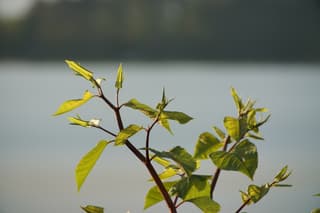
Reynoutria is a genus of large, vigorous, deciduous perennial herbs in the family Polygonaceae, native to East Asia (Japan, China, Korea, Taiwan). The genus is best known for Reynoutria japonica (Japanese knotweed), one of the world's most aggressive invasive plants. Plants produce stout, bamboo-like hollow stems that can reach 2–4 metres in height, broad heart-shaped leaves, and dense clusters of tiny creamy-white flowers in late summer and autumn. Rhizomes are extraordinarily persistent, surviving temperatures as low as -35°C and capable of penetrating concrete foundations, walls, and drainage systems. In its native range, the genus is valued medicinally — particularly as Hu Zhang (tiger's cane) in Traditional Chinese Medicine — and young shoots are eaten as a vegetable.
Bohemian knotweed
Reynoutria × bohemica
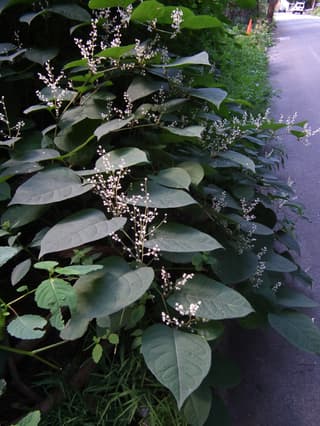
Reynoutria × bohemica, commonly known as Bohemian knotweed, is a highly invasive hybrid perennial resulting from the natural cross between Japanese knotweed (R. japonica) and giant knotweed (R. sachalinensis). First identified in Bohemia (Czech Republic) in the late 19th century, it has since spread aggressively across Europe, North America, New Zealand, and beyond. The plant produces hollow, bamboo-like canes reaching 3–5 m in height and an underground rhizome network extending up to 7 m laterally and 3 m deep. These rhizomes can penetrate building foundations, drainage systems, flood defences, and road surfaces. Bohemian knotweed is listed among the world's 100 worst invasive species and is subject to legal controls in the UK, EU, and several US states. It outcompetes all native vegetation through rapid canopy closure and allelopathic root exudates that suppress surrounding plant growth.
Japanese Knotweed
Reynoutria japonica
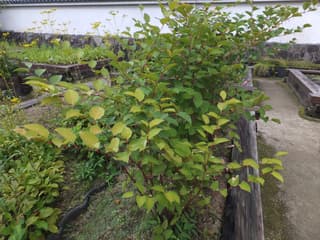
Reynoutria japonica, commonly known as Japanese Knotweed, is a highly invasive perennial herbaceous plant native to East Asia. Classified as one of the world's worst invasive species by the IUCN, it forms dense thickets reaching 3 meters tall that outcompete native vegetation and cause significant structural damage to buildings, roads, and drainage systems through its aggressive rhizome network.
Giant Knotweed
Reynoutria sachalinensis
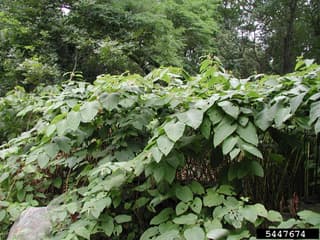
Giant knotweed (Reynoutria sachalinensis) is one of the world's most aggressive invasive plants, native to Sakhalin Island, Japan, and eastern Asia. It produces towering hollow stems that can exceed 4 metres in height, with enormous heart-shaped leaves up to 40 cm wide. In late summer, it bears dense clusters of tiny creamy-white flowers that attract pollinators. Introduced to Europe and North America in the 19th century as an ornamental and fodder plant, it has since escaped cultivation and colonised riverbanks, roadsides, waste ground, and disturbed habitats on a massive scale. Its rhizome system penetrates deep into the soil and can regenerate from fragments as small as 1 cm, making eradication extraordinarily difficult. It outcompetes native vegetation by shading the ground and releasing allelopathic compounds that suppress other plants. Listed among the 100 worst invasive species globally, it poses serious risks to biodiversity, infrastructure, and watercourses.
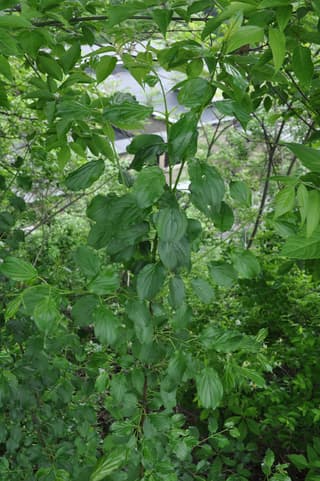
Buckthorn
Rhamnus
Rhamnus is a genus of roughly 100 species of deciduous and evergreen shrubs and small trees in the family Rhamnaceae, commonly known as buckthorns. Native across the temperate Northern Hemisphere, including Europe, North Africa, temperate Asia, and North America, the genus includes cold-hardy deciduous species such as common buckthorn (R. cathartica) and alder buckthorn (R. frangula), as well as evergreen Mediterranean and West Coast species like R. alaternus and R. croceus. Buckthorns typically bear small, inconspicuous greenish-yellow flowers in spring, followed by clusters of small black or reddish berry-like drupes that are an important food source for birds. Several species carry thorny branch tips, hence the common name, and many are grown as hedging, screening, or wildlife shrubs, though a few, notably R. cathartica, are considered invasive outside their native range.
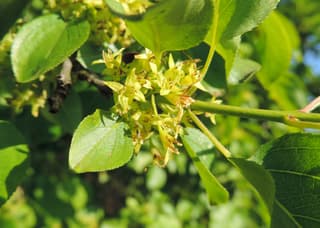
Common Buckthorn
Rhamnus cathartica
Common Buckthorn (Rhamnus cathartica) is a deciduous shrub or small tree in the Rhamnaceae family, native to Europe and Western Asia. It features thorny, crooked branches and glossy black berries ripening in autumn. While ecologically valuable in its native range, it is considered highly invasive in North America, forming dense thickets that outcompete native vegetation. WARNING: berries are TOXIC — they contain anthraquinones and emodin causing severe laxative effects. Toxic to cats, dogs, and humans.
Find the Perfect Plant
Our plant guide helps you find ideal species for your experience level and time of year.
Browse by Difficulty, Season & More
Use the filters below to narrow this catalog by care difficulty, season, environment, or search directly by name. Each filter leads to a focused list tailored to your specific growing conditions.