500 Best Pet Safe for Clay County | 2026 Guide - Page 9
The 500 best pet safe to grow in Clay County. Ideal climate: 13.7°C, 67.4% humidity.
500 Pet Safe for Clay County
Showing 289-324 of 500
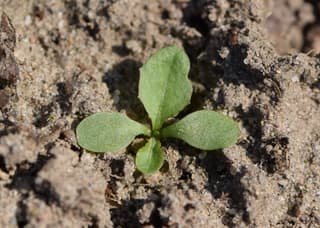
Autumn Hawkbit
Scorzoneroides autumnalis
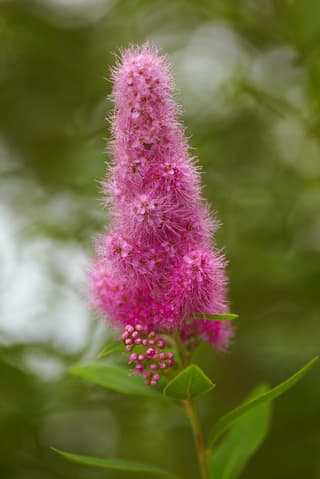
Billard Spiraea
Spiraea billardii
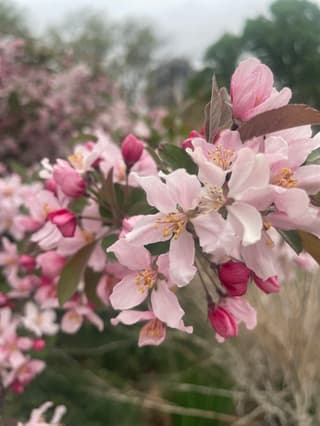
Japanese Flowering Crabapple
Malus × floribunda
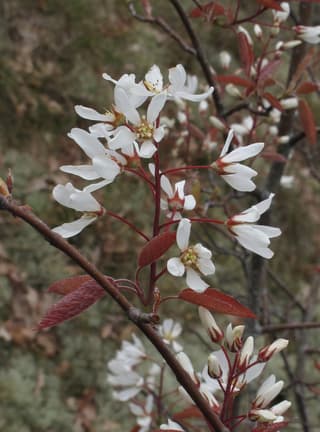
Serviceberry
Amelanchier
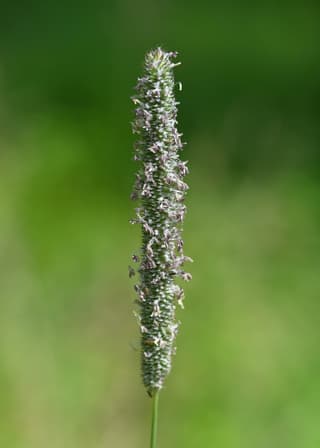
Timothy-grass
Phleum pratense
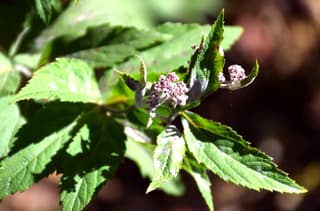
Willowleaf Spiraea
Spiraea salicifolia
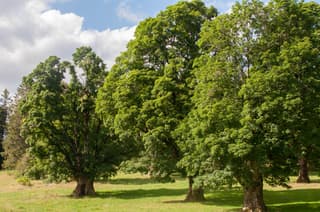
Sycamore Maple
Acer pseudoplatanus
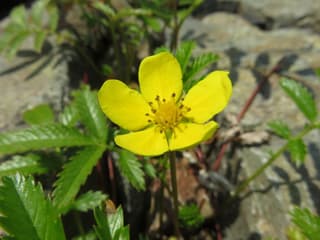
Silverweed
Argentina anserina
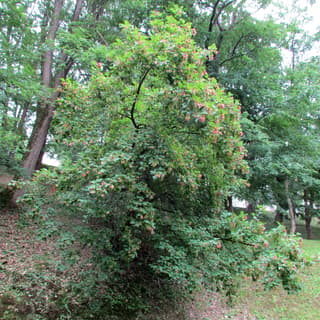
Tatarian Maple
Acer tataricum
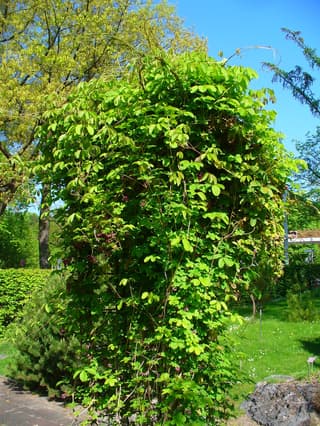
Chocolate Vine
Akebia quinata
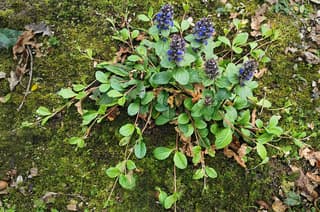
Bugleweed
Ajuga
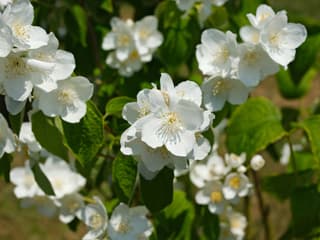
Scentless Mock Orange
Philadelphus inodorus
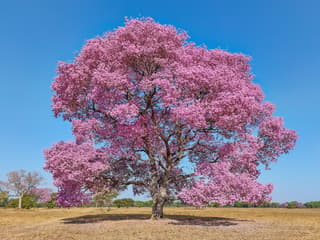
Trumpet Tree
Handroanthus
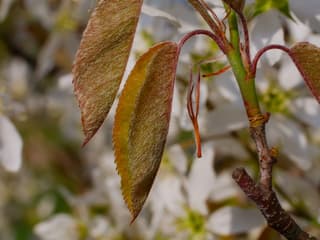
Juneberry
Amelanchier × lamarckii
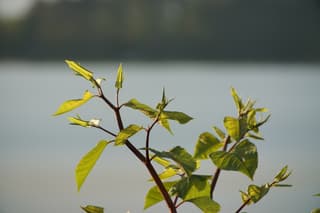
Knotweed
Reynoutria
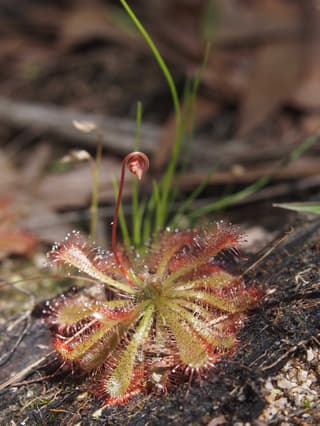
Spoon-leaved sundew
Drosera spatulata
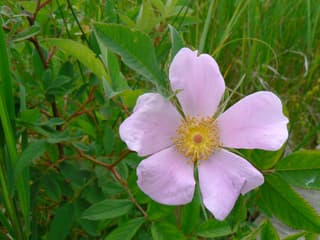
Virginia Rose
Rosa virginiana
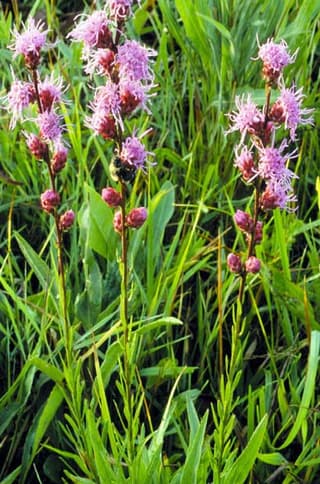
Rough Blazing Star
Liatris aspera
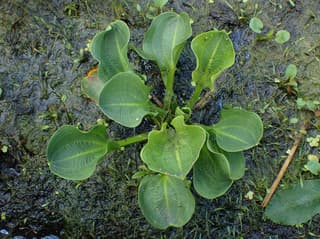
American water plantain
Alisma subcordatum
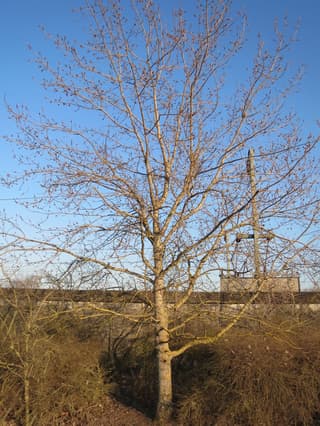
Poplar
Populus
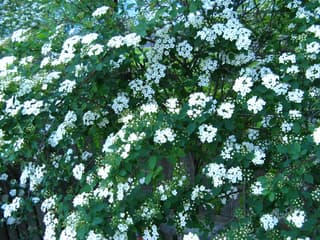
Vanhoutte Spirea
Spiraea × vanhouttei
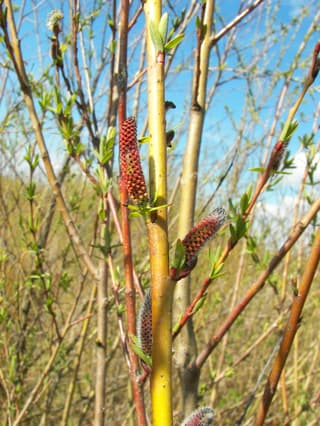
Purple Willow
Salix purpurea
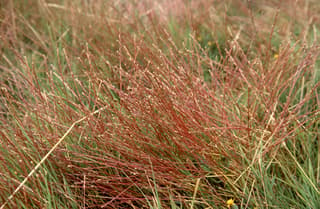
Sea Hard-grass
Parapholis strigosa
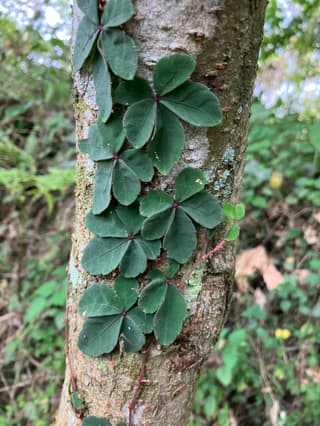
Lizard Vine
Tetrastigma obtectum
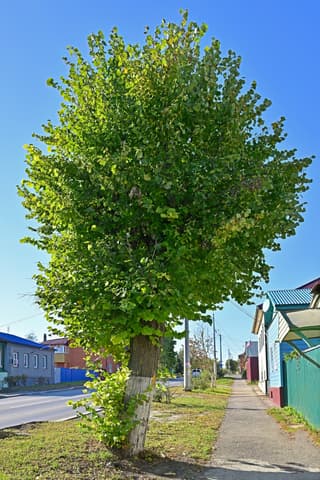
Little-leaf Linden
Tilia cordata
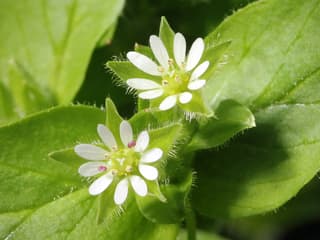
Chickweed
Stellaria media
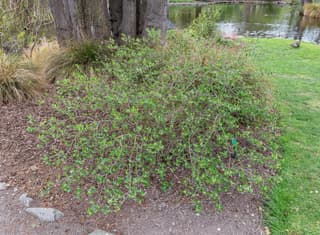
Black chokeberry
Aronia melanocarpa
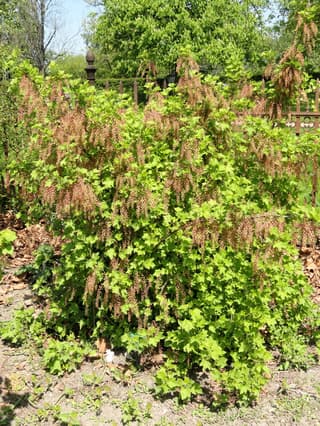
Downy Currant
Ribes spicatum

Hawthorn
Crataegus
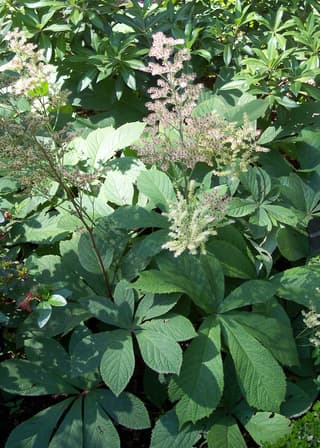
Chestnut-leaf Rodgersia
Rodgersia aesculifolia
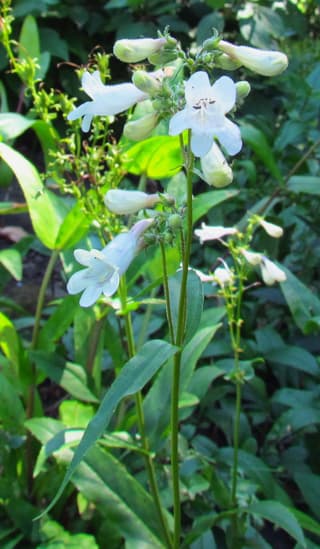
Foxglove Beardtongue
Penstemon digitalis
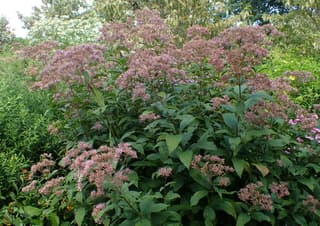
Spotted Joe-Pye Weed
Eutrochium maculatum
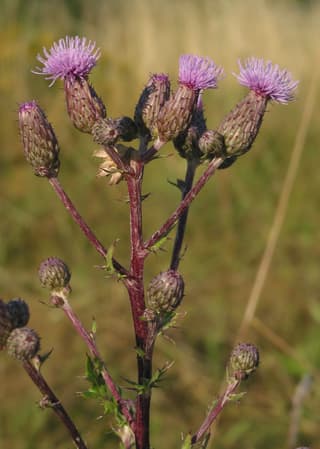
Creeping Thistle
Cirsium arvense
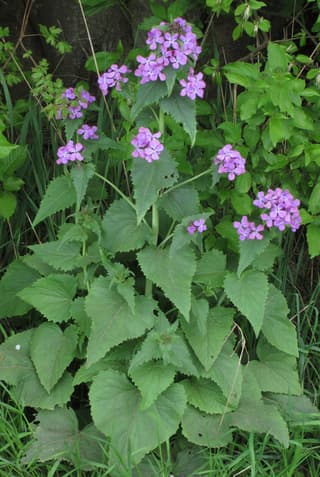
Honesty
Lunaria annua
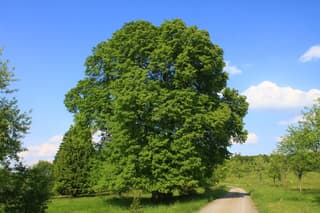
Large-leaved Lime
Tilia platyphyllos
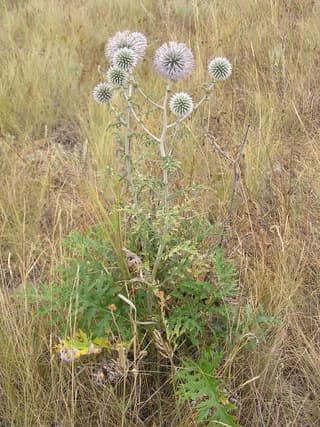
Globe thistle
Echinops sphaerocephalus
Ideal Pet Safe for Clay County's Climate
Clay County has an average temperature of 13.7°C and humidity of 67.4%, conditions that directly influence which pet safe best adapt to the local environment.
How to Grow Pet Safe in Clay County
To successfully grow pet safe in Clay County, consider that the average temperature of 13.7°C and humidity of 67.4% create a specific microclimate. Moderate humidity is favorable for most species in this category.
Advantages of Choosing Adapted Pet Safe
Pet Safe adapted to Clay County's climate show greater resistance, healthy growth, and less need for interventions.