500 Best Pet Safe for Fort St. John | 2026 Guide - Page 5
The 500 best pet safe to grow in Fort St. John. Ideal climate: 4.7°C, 69.8% humidity.
500 Pet Safe for Fort St. John
Showing 145-180 of 500
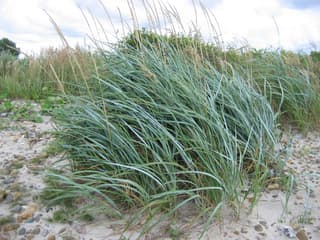
Sea Lyme Grass
Leymus arenarius
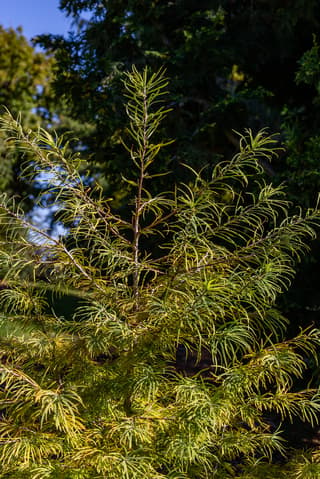
Golden Larch
Pseudolarix amabilis
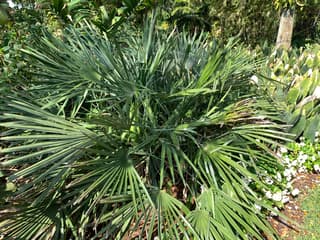
Needle Palm
Rhapidophyllum hystrix
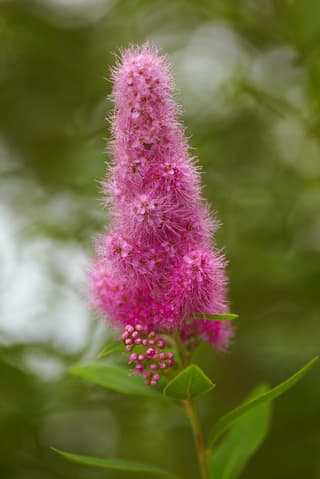
Billard Spiraea
Spiraea billardii
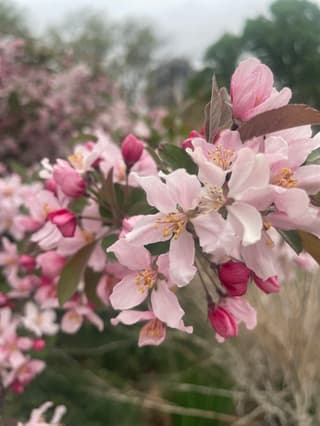
Japanese Flowering Crabapple
Malus × floribunda
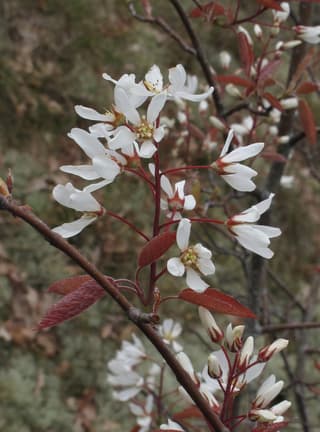
Serviceberry
Amelanchier
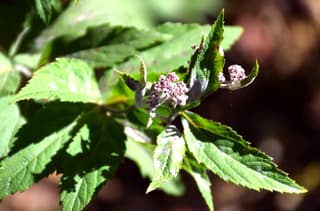
Willowleaf Spiraea
Spiraea salicifolia
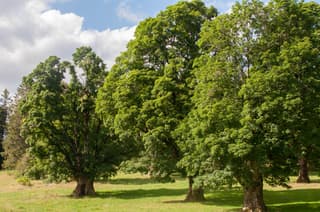
Sycamore Maple
Acer pseudoplatanus
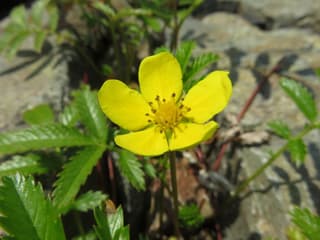
Silverweed
Argentina anserina
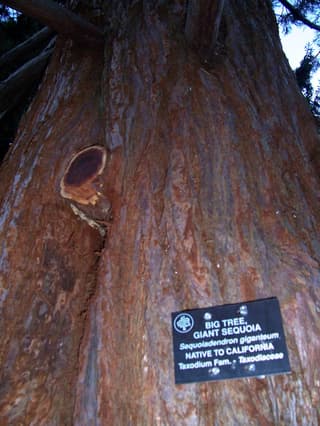
Giant Sequoia
Sequoiadendron giganteum
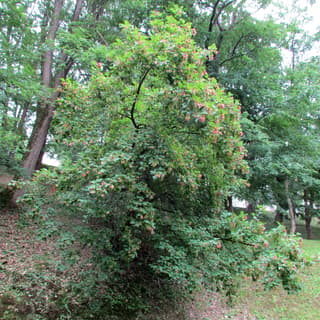
Tatarian Maple
Acer tataricum
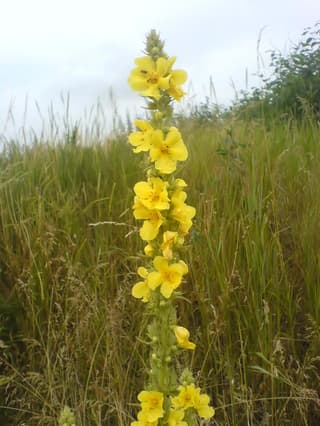
Denseflower Mullein
Verbascum densiflorum
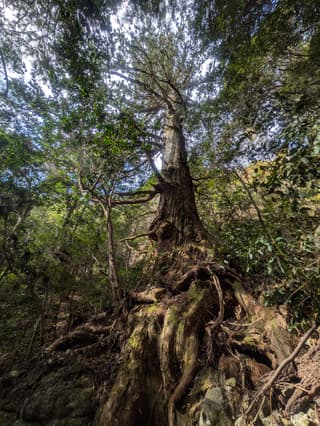
Japanese Cedar
Cryptomeria japonica
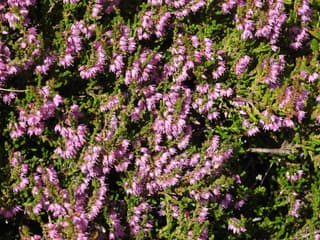
Common Heather
Calluna vulgaris
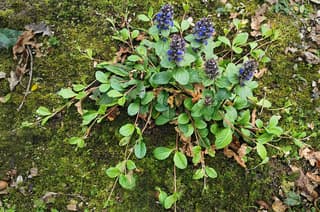
Bugleweed
Ajuga
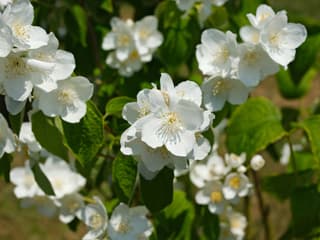
Scentless Mock Orange
Philadelphus inodorus
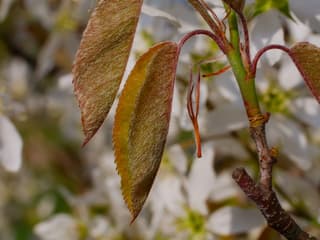
Juneberry
Amelanchier × lamarckii
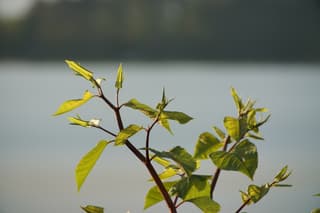
Knotweed
Reynoutria
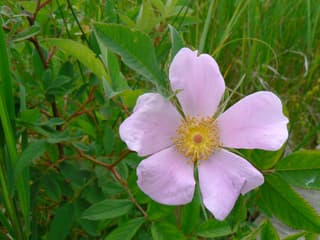
Virginia Rose
Rosa virginiana
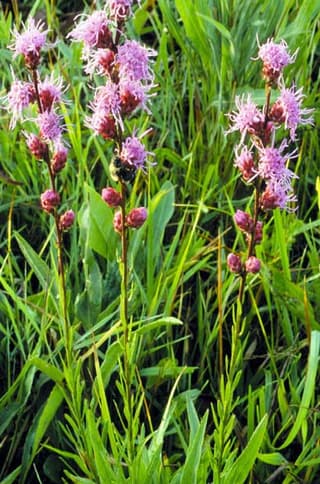
Rough Blazing Star
Liatris aspera
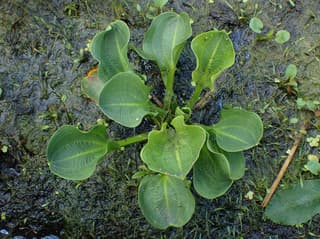
American water plantain
Alisma subcordatum
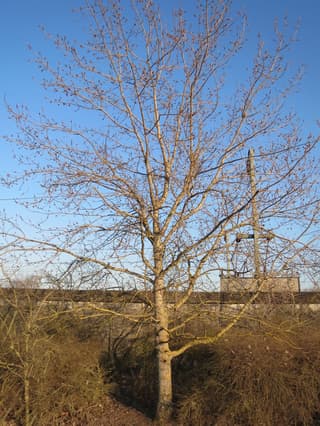
Poplar
Populus
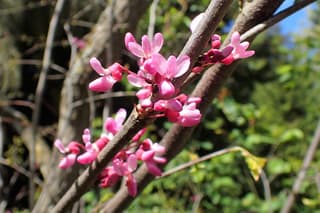
Chinese Redbud
Cercis chinensis
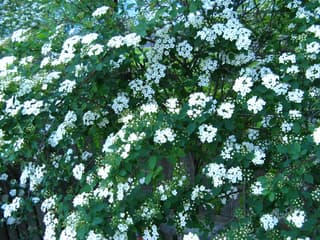
Vanhoutte Spirea
Spiraea × vanhouttei
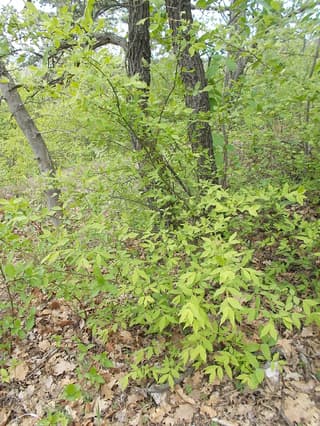
Common Dogwood
Cornus sanguinea
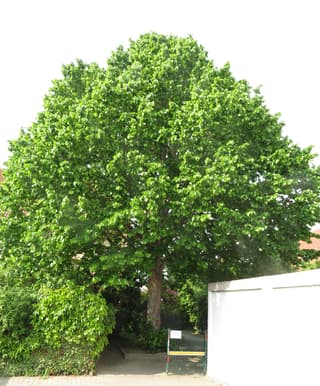
Common Hazel
Corylus avellana
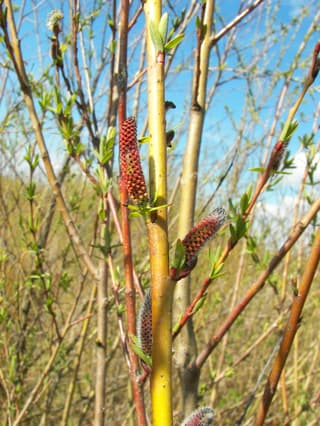
Purple Willow
Salix purpurea
Maritime sunburst lichen
Xanthoria parietina
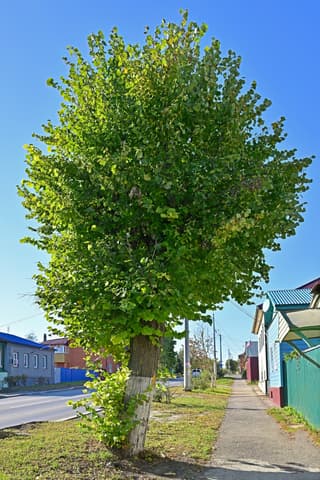
Little-leaf Linden
Tilia cordata
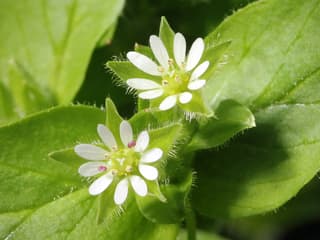
Chickweed
Stellaria media
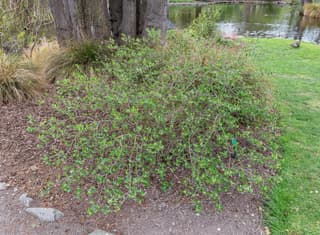
Black chokeberry
Aronia melanocarpa
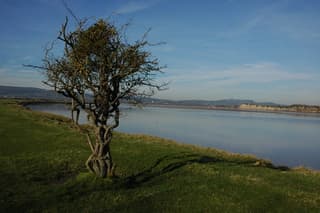
Hawthorn
Crataegus
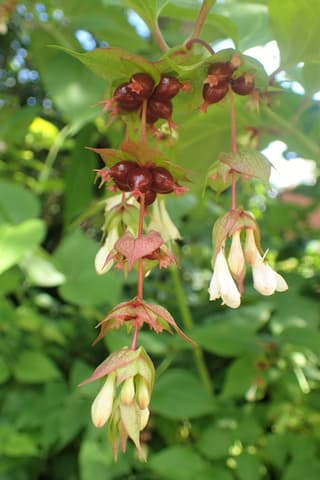
Himalayan honeysuckle
Leycesteria formosa
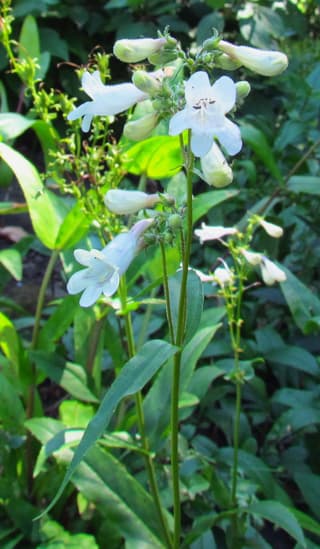
Foxglove Beardtongue
Penstemon digitalis
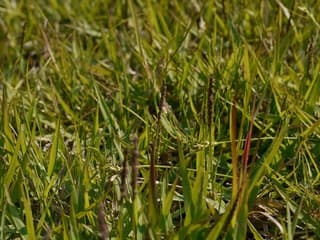
Zoysia Grass
Zoysia japonica
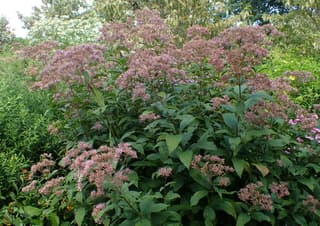
Spotted Joe-Pye Weed
Eutrochium maculatum
Ideal Pet Safe for Fort St. John's Climate
Fort St. John has an average temperature of 4.7°C and humidity of 69.8%, conditions that directly influence which pet safe best adapt to the local environment.
How to Grow Pet Safe in Fort St. John
To successfully grow pet safe in Fort St. John, consider that the average temperature of 4.7°C and humidity of 69.8% create a specific microclimate. Moderate humidity is favorable for most species in this category.
Advantages of Choosing Adapted Pet Safe
Pet Safe adapted to Fort St. John's climate show greater resistance, healthy growth, and less need for interventions.