500 Best Pet Safe for Fort St. John | 2026 Guide - Page 6
The 500 best pet safe to grow in Fort St. John. Ideal climate: 4.7°C, 69.8% humidity.
500 Pet Safe for Fort St. John
Showing 181-216 of 500
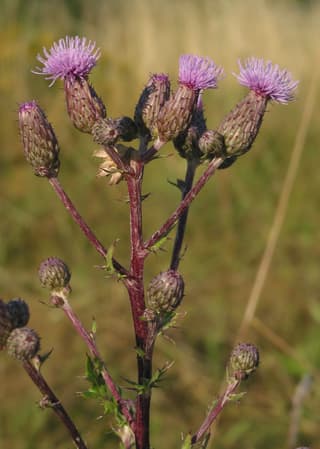
Creeping Thistle
Cirsium arvense
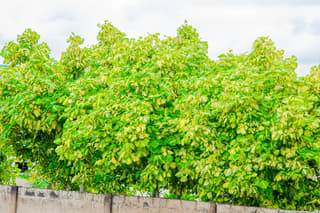
Southern Catalpa
Catalpa bignonioides
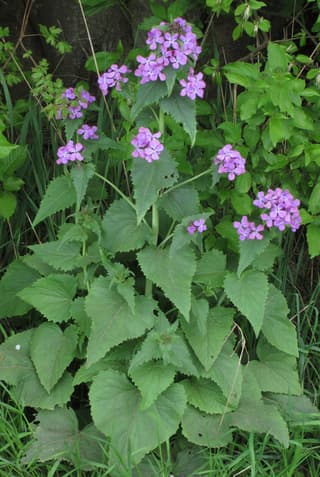
Honesty
Lunaria annua
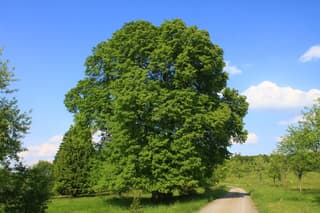
Large-leaved Lime
Tilia platyphyllos
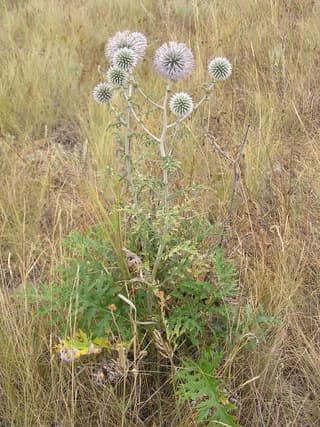
Globe thistle
Echinops sphaerocephalus
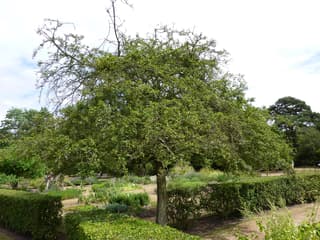
Midland Hawthorn
Crataegus laevigata
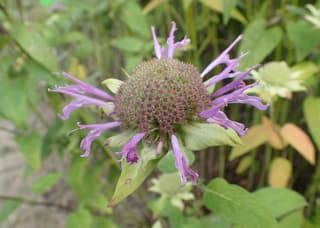
Scarlet Bee Balm
Monarda didyma
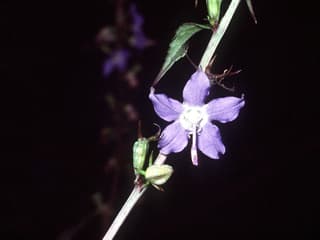
Tall Bellflower
Campanulastrum americanum
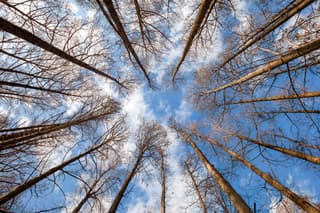
Dawn Redwood
Metasequoia glyptostroboides
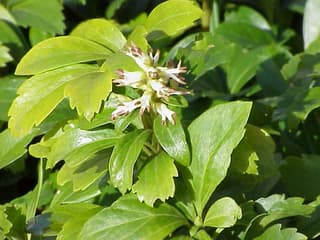
Japanese spurge
Pachysandra terminalis
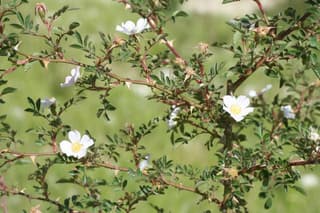
Small-leaved Sweet-briar
Rosa agrestis
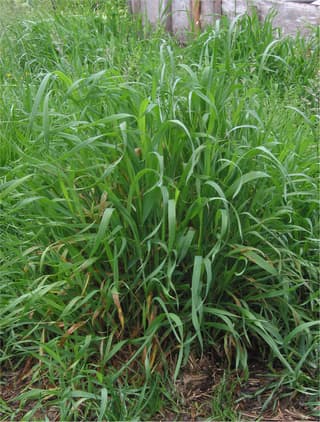
Quackgrass
Elymus repens
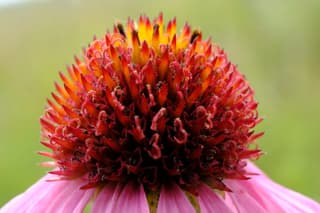
Narrow-leaf Coneflower
Echinacea angustifolia
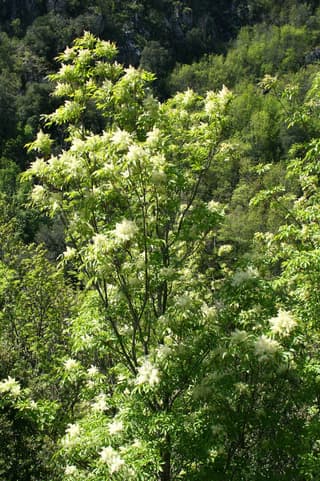
Manna Ash
Fraxinus ornus
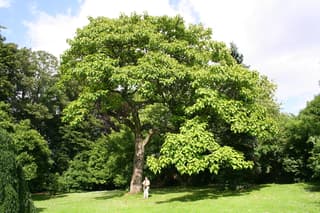
Empress Tree / Princess Tree (genus)
Paulownia
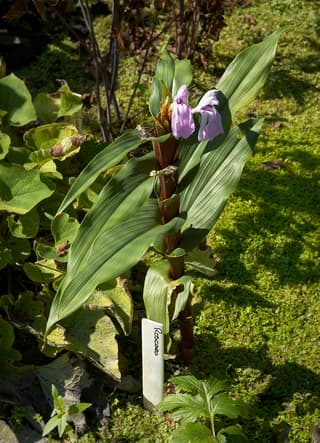
Purple Roscoea
Roscoea purpurea
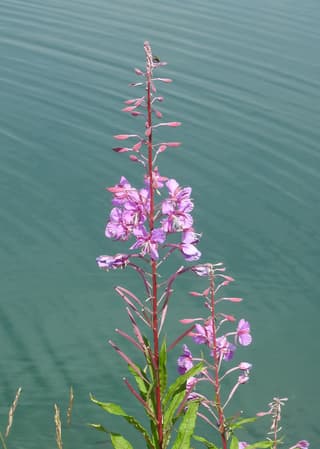
Willowherb / Fireweed (genus)
Epilobium
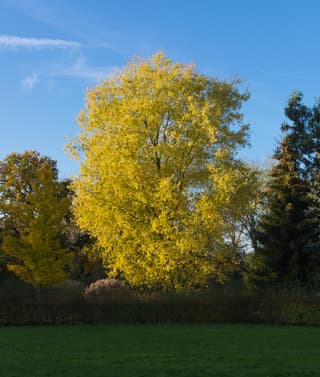
Silver Maple
Acer saccharinum
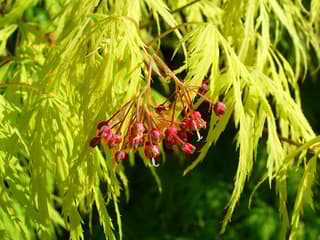
Japanese Maple
Acer palmatum
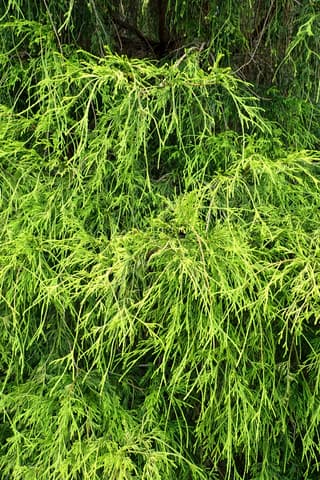
Golden Thread Cypress
Chamaecyparis pisifera filifera aurea
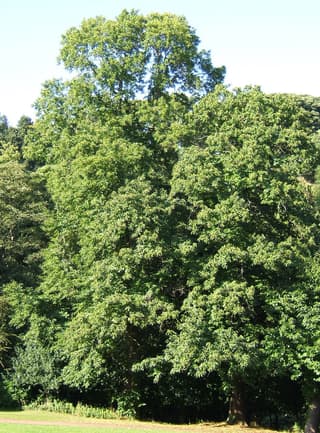
Sweet Chestnut
Castanea sativa
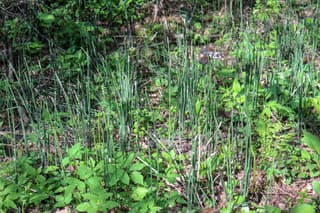
Horsetail
Equisetum spp
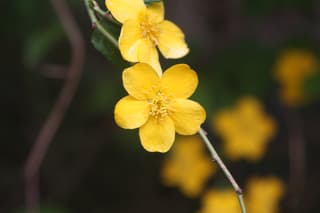
Japanese Kerria
Kerria japonica
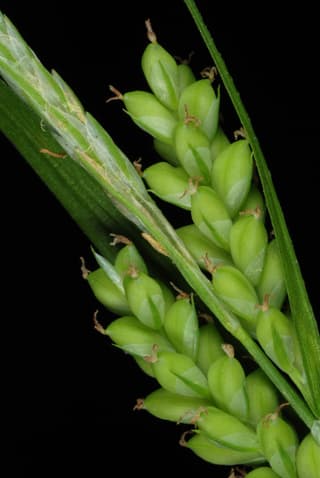
Eastern Woodland Sedge
Carex blanda
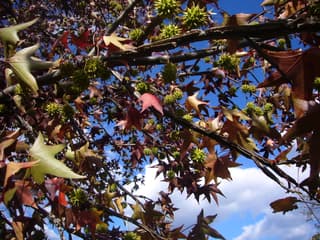
Sweetgum
Liquidambar styraciflua
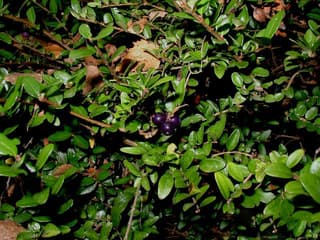
Boxleaf Honeysuckle
Lonicera nitida
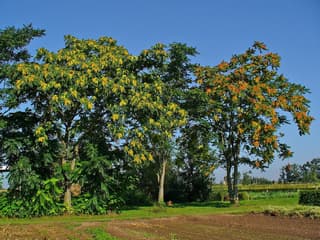
Tree of Heaven
Ailanthus
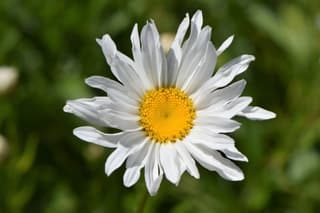
Max Chrysanthemum
Leucanthemum maximum
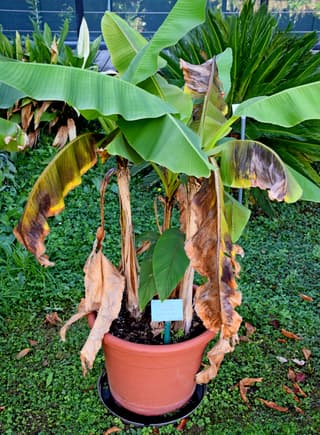
Japanese Banana
Musa basjoo
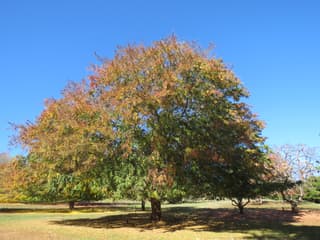
Chinese Elm
Ulmus parvifolia
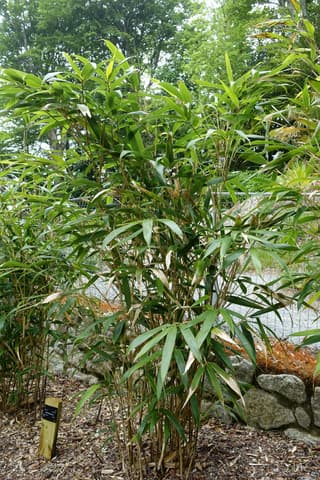
Arrow Bamboo
Pseudosasa japonica
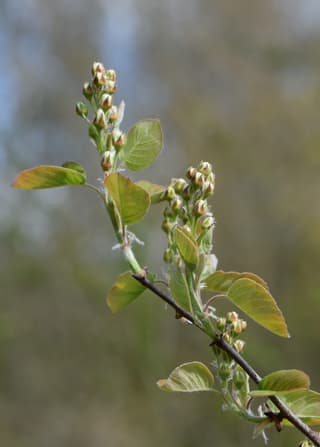
Saskatoon Serviceberry
Amelanchier alnifolia
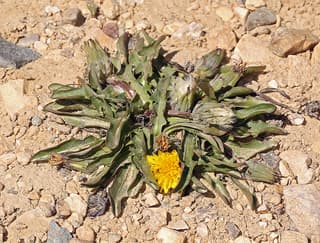
Horned Dandelion
Taraxacum ceratophorum
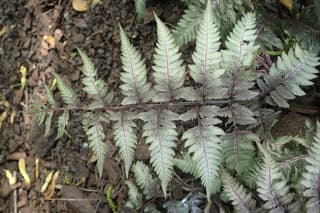
Japanese Painted Fern
Athyrium niponicum
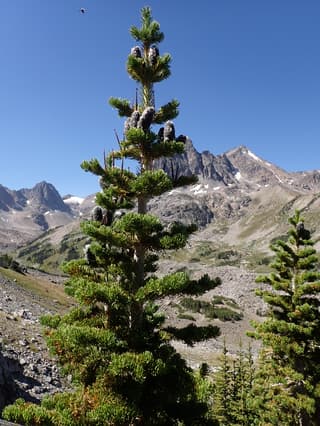
Subalpine Fir
Abies lasiocarpa
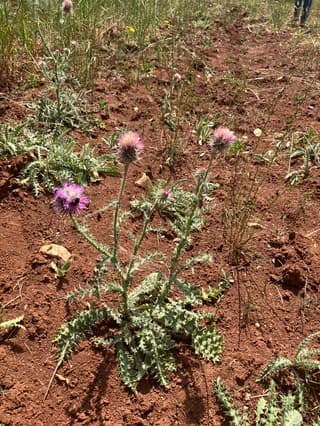
Musk Thistle
Carduus nutans
Ideal Pet Safe for Fort St. John's Climate
Fort St. John has an average temperature of 4.7°C and humidity of 69.8%, conditions that directly influence which pet safe best adapt to the local environment.
How to Grow Pet Safe in Fort St. John
To successfully grow pet safe in Fort St. John, consider that the average temperature of 4.7°C and humidity of 69.8% create a specific microclimate. Moderate humidity is favorable for most species in this category.
Advantages of Choosing Adapted Pet Safe
Pet Safe adapted to Fort St. John's climate show greater resistance, healthy growth, and less need for interventions.