500 Best Easy Care for San Bartolomé de Tirajana | 2026 Guide - Page 10
The 500 best easy care to grow in San Bartolomé de Tirajana. Ideal climate: 23.1°C, 56.3% humidity.
500 Easy Care for San Bartolomé de Tirajana
Showing 325-360 of 500
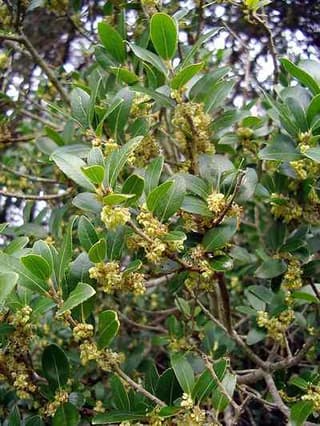
Green Olive Tree
Phillyrea latifolia
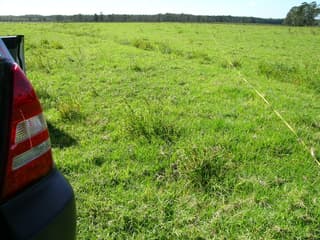
Kikuyu Grass
Cenchrus clandestinus
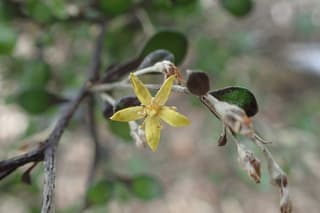
Wire-netting Bush
Corokia cotoneaster
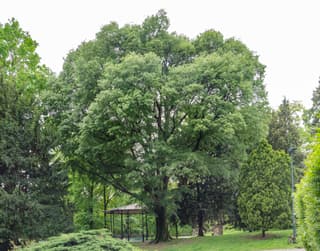
European Nettle Tree
Celtis australis
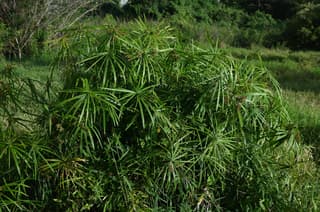
Umbrella Sedge
Cyperus
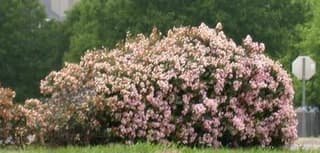
Indian Hawthorn
Rhaphiolepis indica
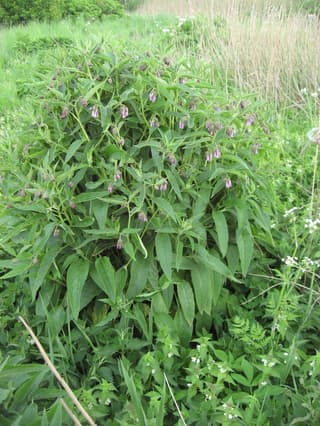
Russian Comfrey
Symphytum × uplandicum
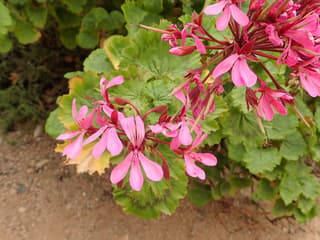
Geranium
Pelargonium
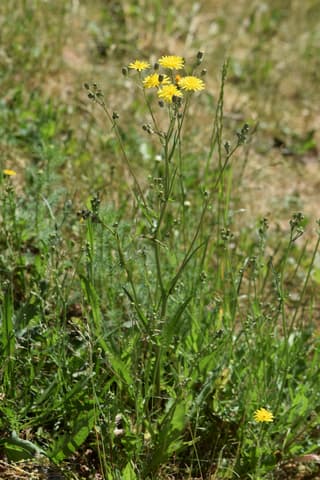
Hawksbeard
Crepis
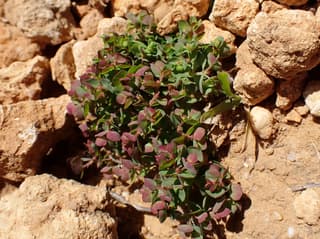
Petty Spurge
Euphorbia peplus
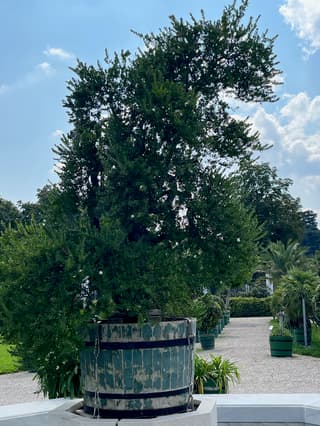
Common Myrtle
Myrtus communis
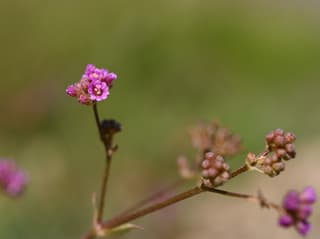
Red Spiderling
Boerhavia diffusa
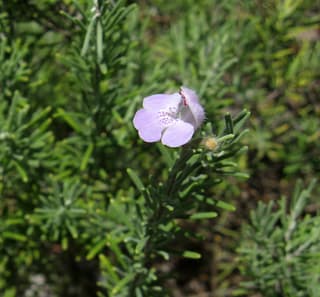
False Rosemary
Conradina
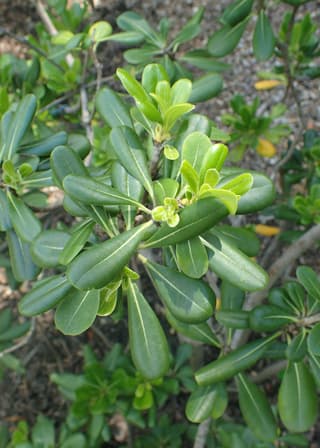
Pittosporum
Pittosporum
Purple Swedish Ivy
Plectranthus purpuratus
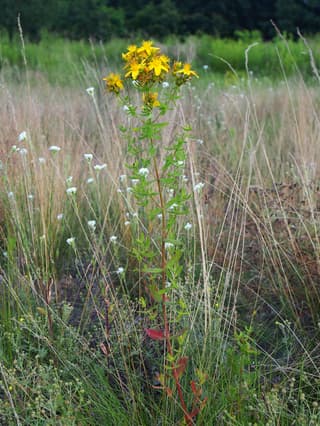
St. John's Wort
Hypericum
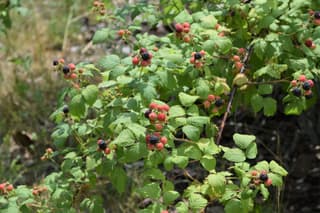
Black Raspberry
Rubus occidentalis
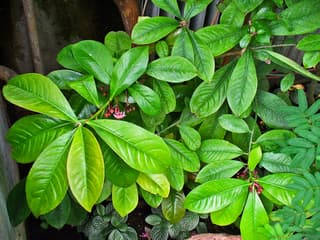
Coralberry
Ardisia
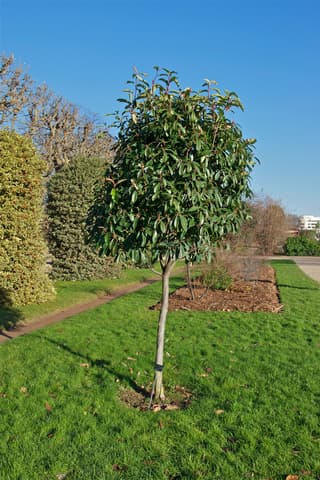
Chinese Photinia
Photinia serratifolia
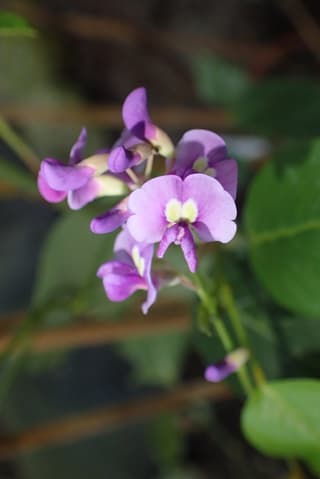
Purple Coral Pea
Hardenbergia violacea
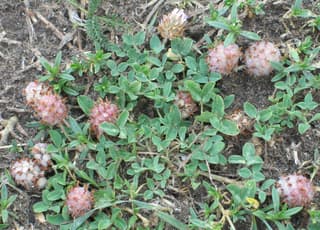
Strawberry Clover
Trifolium fragiferum
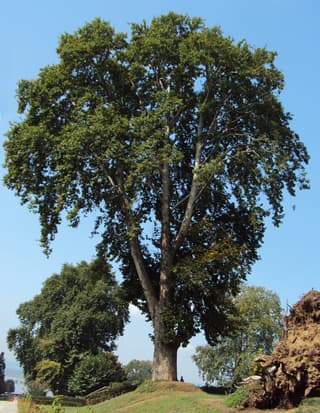
Oriental Plane
Platanus orientalis
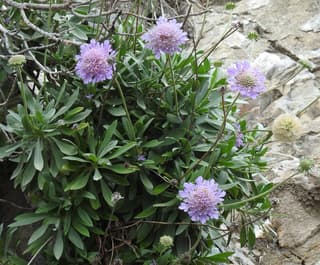
Cretan Scabious
Lomelosia cretica
Christ's thorn
Paliurus spina-christi
Glossy Abelia
Abelia × grandiflora
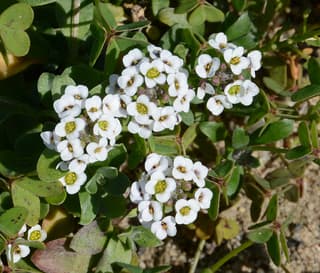
Sweet Alyssum
Lobularia maritima
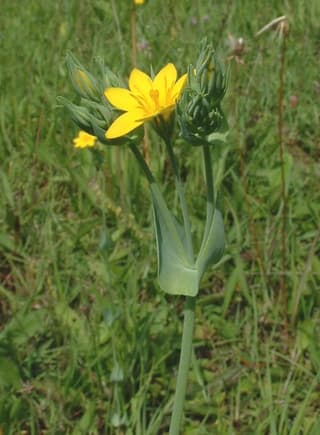
Yellow-wort
Blackstonia perfoliata
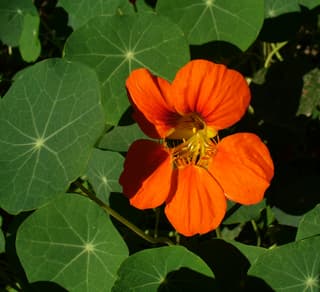
Nasturtium
Tropaeolum
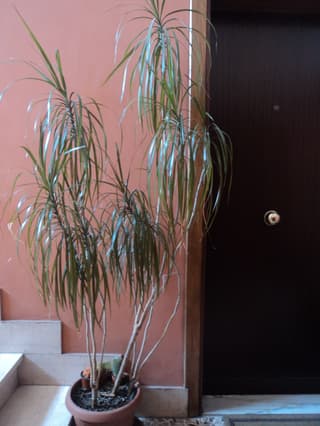
Dragon Tree
Dracaena marginata
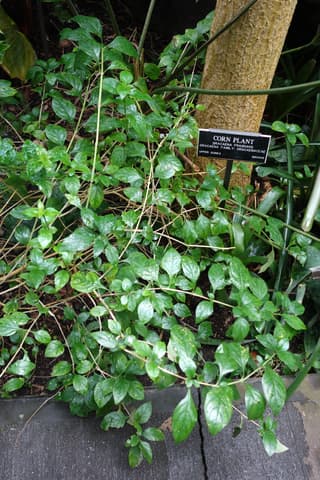
Corn Plant
Dracaena fragrans
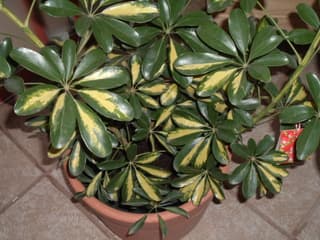
Dwarf Umbrella Tree
Schefflera arboricola
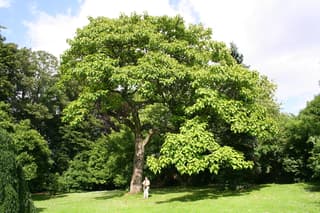
Empress Tree / Princess Tree (genus)
Paulownia
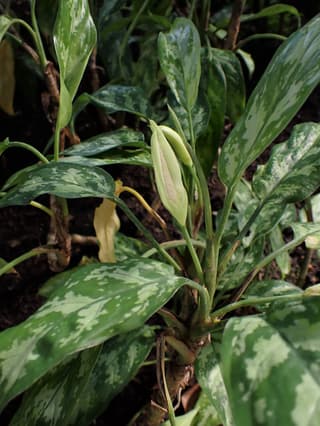
Chinese Evergreen
Aglaonema commutatum
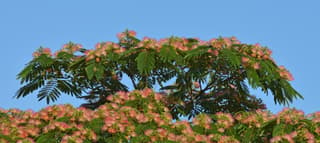
Silk Tree / Mimosa (genus)
Albizia
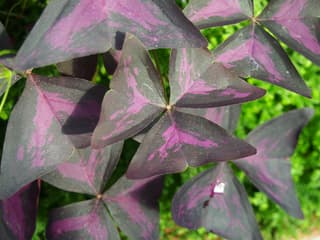
Purple Shamrock
Oxalis triangularis
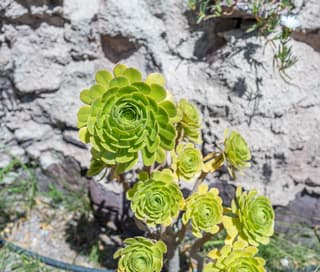
Stalked Aeonium
Aeonium undulatum
Ideal Easy Care for San Bartolomé de Tirajana's Climate
San Bartolomé de Tirajana has an average temperature of 23.1°C and humidity of 56.3%, conditions that directly influence which easy care best adapt to the local environment.
How to Grow Easy Care in San Bartolomé de Tirajana
To successfully grow easy care in San Bartolomé de Tirajana, consider that the average temperature of 23.1°C and humidity of 56.3% create a specific microclimate. Moderate humidity is favorable for most species in this category.
Advantages of Choosing Adapted Easy Care
Easy Care adapted to San Bartolomé de Tirajana's climate show greater resistance, healthy growth, and less need for interventions.