500 Best Plants for San Patricio del Chañar | 2026 Guide - Page 11
Discover the 500 ideal plants for San Patricio del Chañar's climate. Average temp: 15.9°C, Humidity: 48.8%.
Top 500 Plants for San Patricio del Chañar
Showing 361-396 of 500
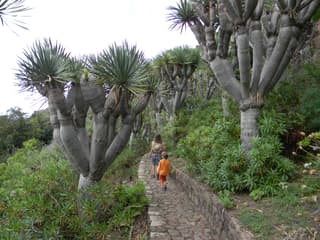
Dragon Blood Tree
Dracaena draco
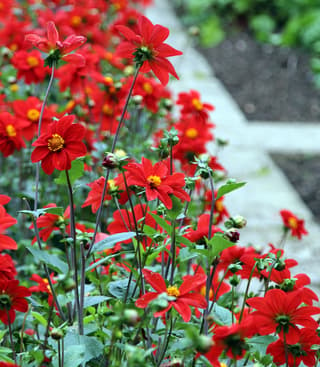
Dahlia
Dahlia

Sea Squill
Drimia maritima
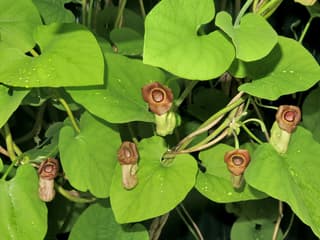
Dutchman's Pipe
Aristolochia
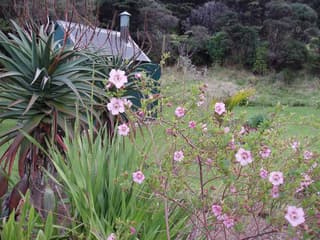
Cape Mallow
Anisodontea capensis
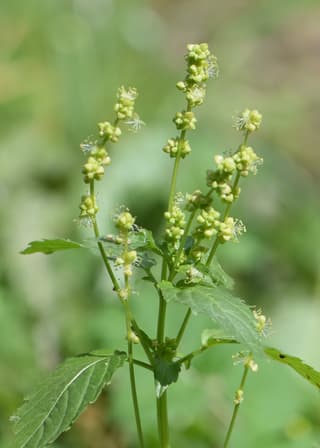
Annual mercury
Mercurialis annua
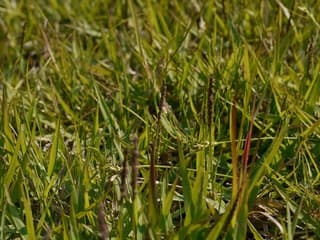
Zoysia Grass
Zoysia japonica

Common Blanketflower
Gaillardia aristata
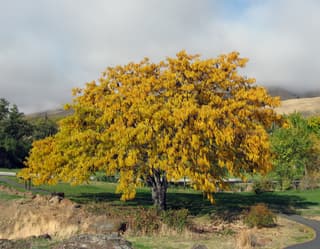
Honey Locust
Gleditsia triacanthos
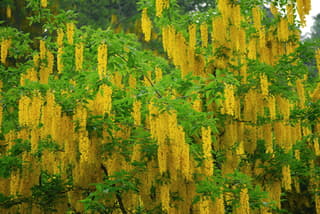
Scotch laburnum
Laburnum alpinum
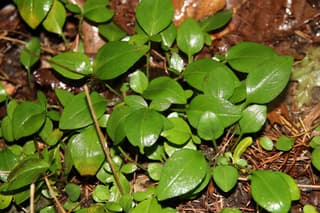
Shrubby St. John's Wort
Hypericum prolificum
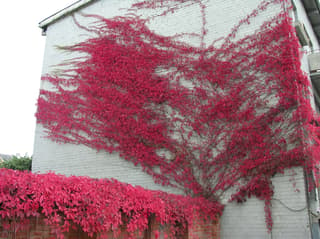
Woodbine
Parthenocissus
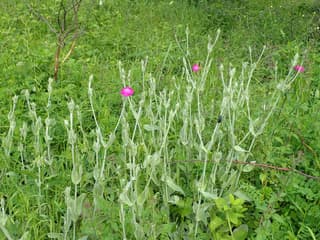
Rose Campion
Silene coronaria
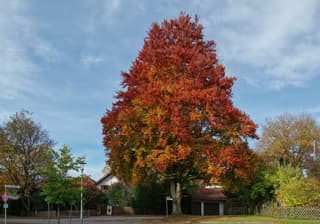
European Beech
Fagus sylvatica
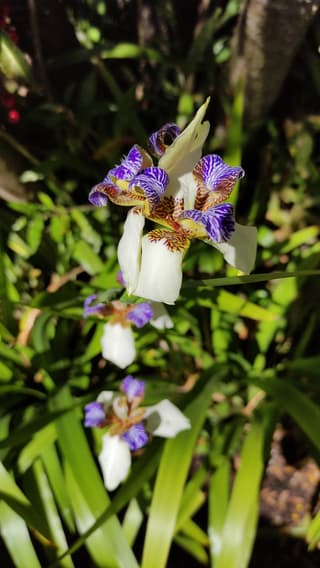
Yellow Walking Iris
Trimezia gracilis
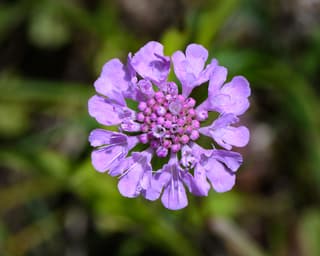
Pigeon Scabious
Scabiosa columbaria
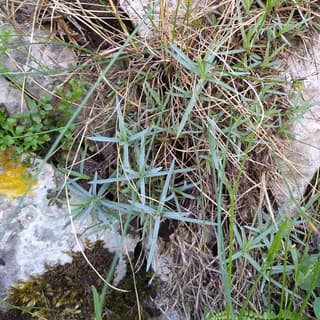
Cheddar Pink
Dianthus gratianopolitanus
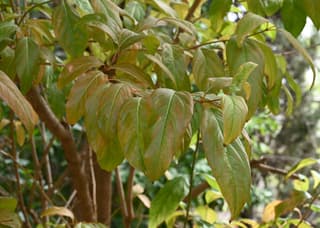
Fiddlewood
Citharexylum spinosum
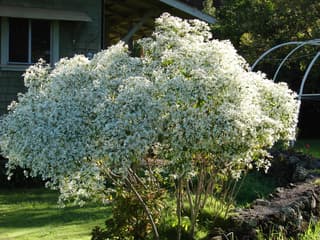
Snow bush
Euphorbia leucocephala
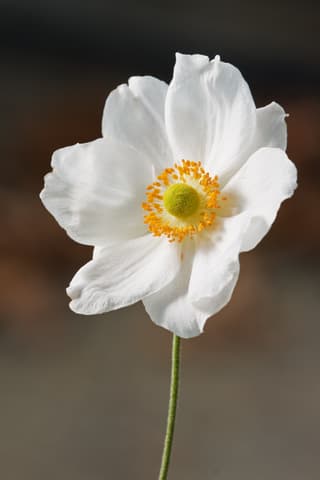
Japanese Anemone
Eriocapitella hupehensis
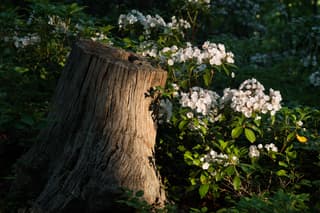
Mountain Laurel
Kalmia
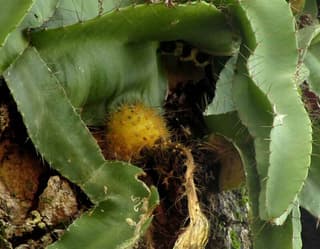
Dog-tail Cactus
Deamia testudo
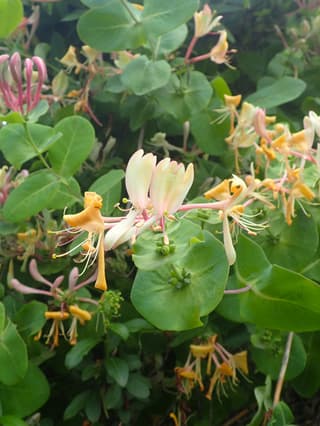
Italian Honeysuckle
Lonicera caprifolium
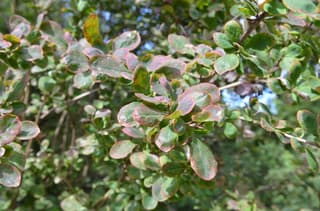
Ottawa Barberry
Berberis × ottawensis
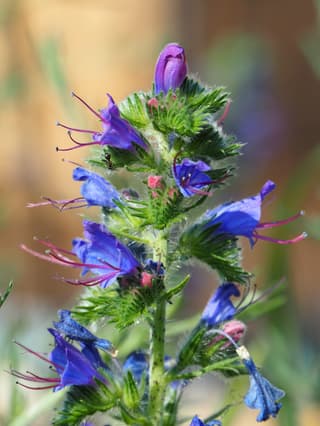
Viper's Bugloss
Echium vulgare
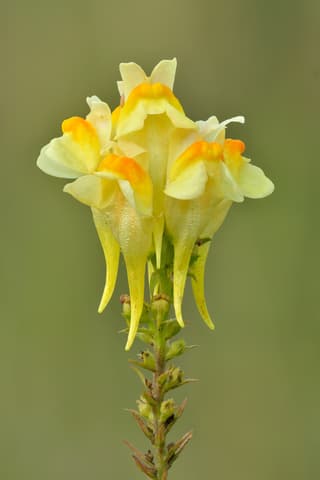
Yellow Toadflax
Linaria vulgaris
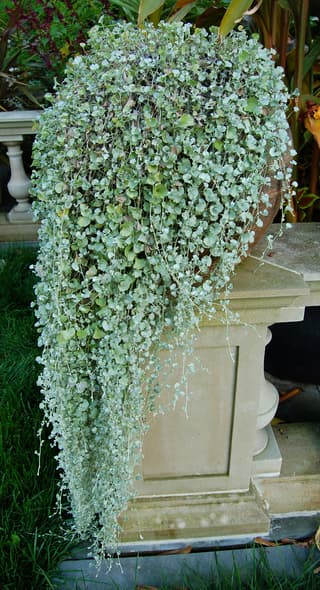
Silver Falls
Dichondra argentea
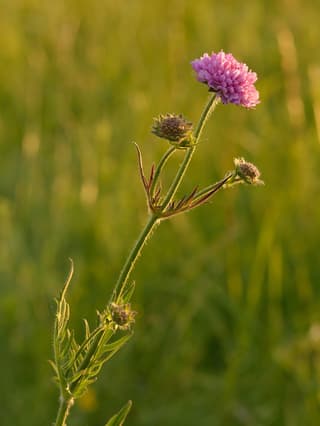
Field Scabious
Knautia arvensis
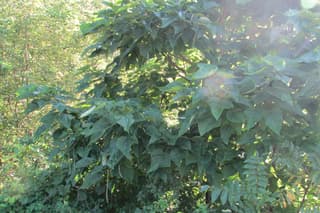
Northern Catalpa
Catalpa speciosa
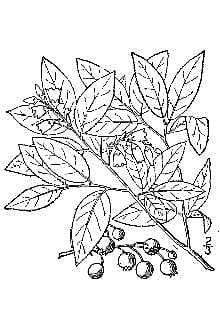
Hillside Blueberry
Vaccinium pallidum
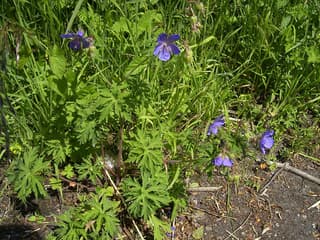
Cranesbill
Geranium
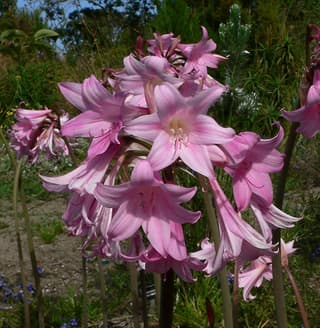
Belladonna Lily
Amaryllis belladonna
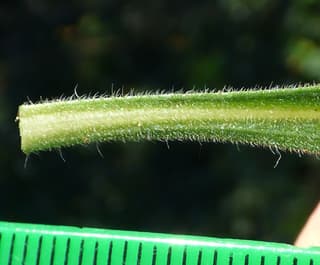
Guernsey Fleabane
Erigeron sumatrensis
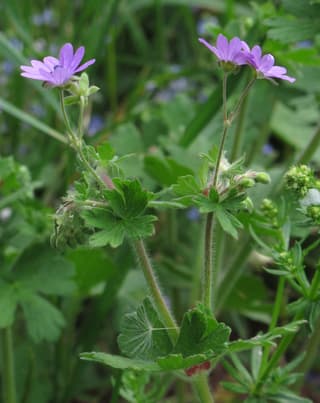
Hedgerow Cranesbill
Geranium pyrenaicum
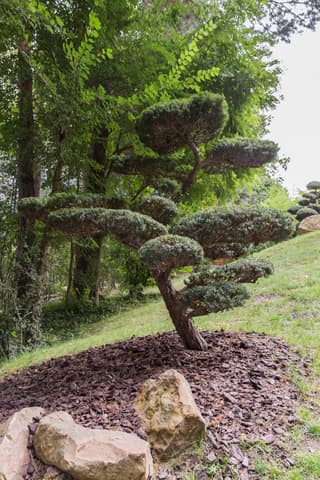
English Yew
Taxus baccata
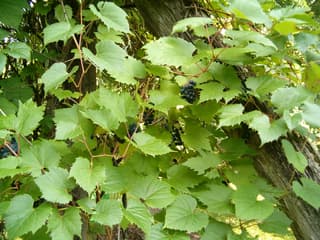
Riverbank Grape
Vitis riparia
San Patricio del Chañar Climate for Plant Growing
San Patricio del Chañar has a climate with an average annual temperature of 15.9°C and average relative humidity of 48.8%. These climate conditions are ideal for various species of ornamental and fruit plants.
Tips for Growing Plants in San Patricio del Chañar
To succeed in growing plants in San Patricio del Chañar, consider the average temperature of 15.9°C when choosing your species. Protect cold-sensitive plants during winter. Water more frequently due to low humidity.
Why Choose Plants Adapted to the Local Climate?
Plants adapted to San Patricio del Chañar's climate require less care, consume less water, and are more likely to thrive. Our selection considers the compatibility between each species' needs and local climate conditions, including temperature (15.9°C) and humidity (48.8%).