500 Best Easy Care for San Pedro de la Paz | 2026 Guide - Page 4
The 500 best easy care to grow in San Pedro de la Paz. Ideal climate: 13°C, 82.5% humidity.
500 Easy Care for San Pedro de la Paz
Showing 109-144 of 500
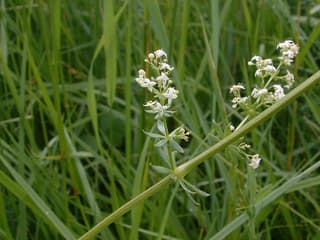
Hedge Bedstraw
Galium mollugo
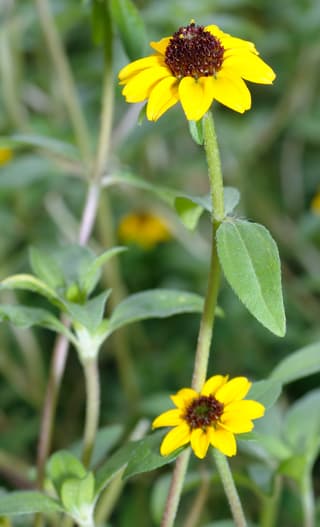
Creeping Zinnia
Sanvitalia procumbens
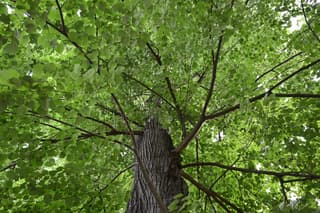
Silver Linden
Tilia tomentosa
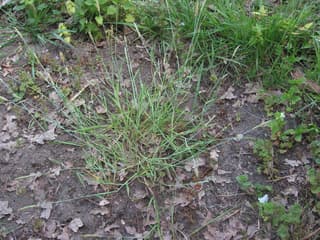
Water Foxtail
Alopecurus geniculatus
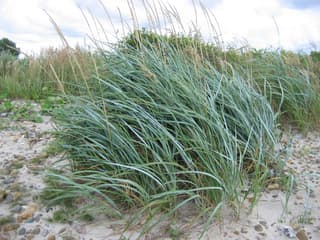
Sea Lyme Grass
Leymus arenarius
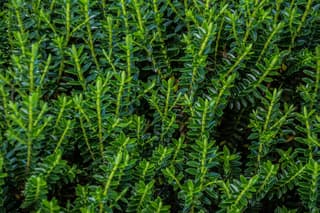
Fragrant Hebe
Hebe odora
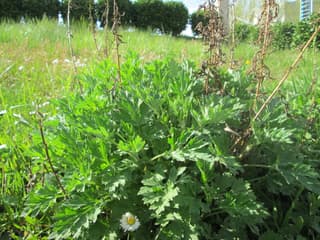
Mugwort
Artemisia vulgaris
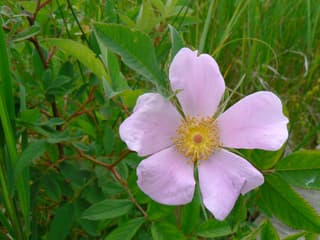
Virginia Rose
Rosa virginiana
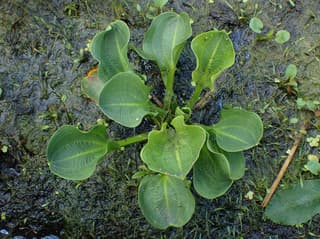
American water plantain
Alisma subcordatum
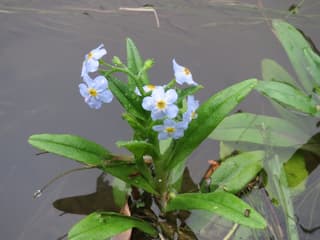
Water Forget-me-not
Myosotis scorpioides
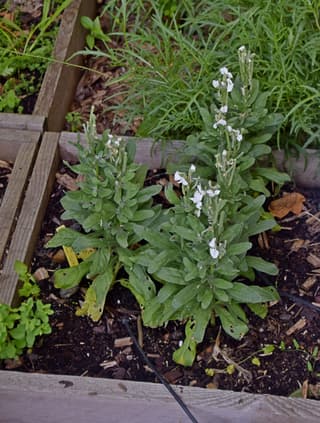
Stock
Matthiola
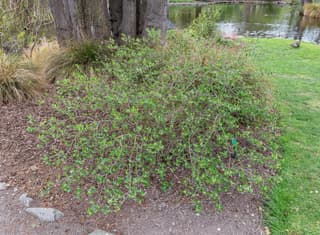
Black chokeberry
Aronia melanocarpa
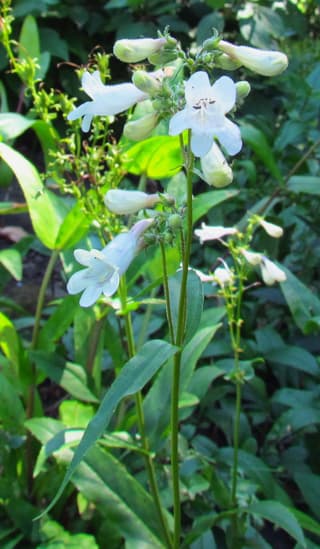
Foxglove Beardtongue
Penstemon digitalis
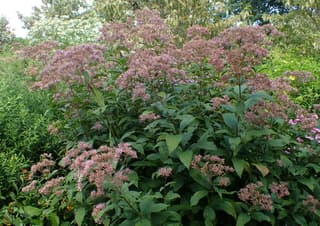
Spotted Joe-Pye Weed
Eutrochium maculatum
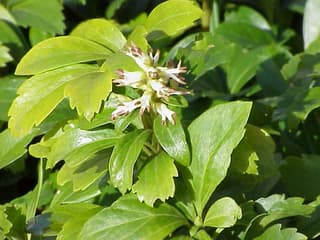
Japanese spurge
Pachysandra terminalis
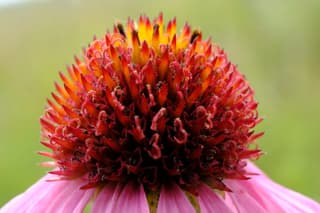
Narrow-leaf Coneflower
Echinacea angustifolia

Dumb Cane
Dieffenbachia seguine
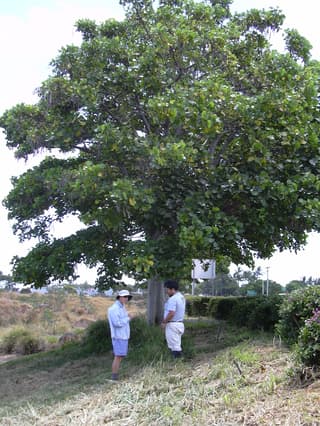
Indian Coral Tree
Erythrina variegata
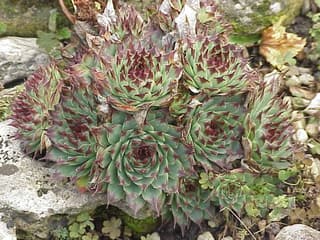
Limestone Houseleek
Sempervivum calcareum
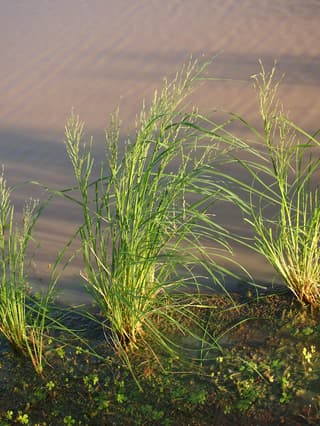
Kallar grass
Diplachne fusca

Tiger grass
Thysanolaena latifolia
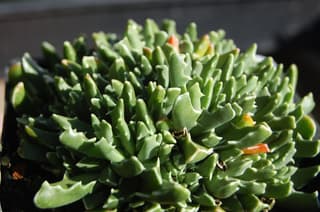
Tiger's Jaws
Faucaria bosscheana
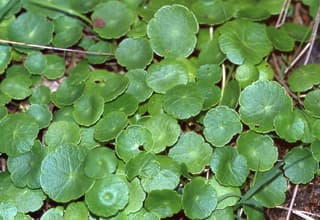
Marsh pennywort
Hydrocotyle vulgaris
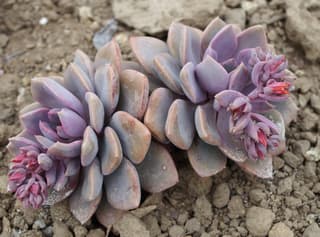
Graptoveria
× Graptoveria
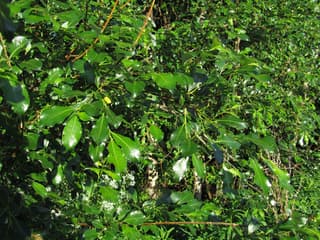
Tea-leaved Willow
Salix phylicifolia
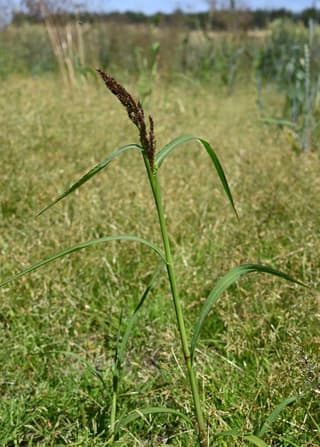
Barnyardgrass
Echinochloa crus-galli
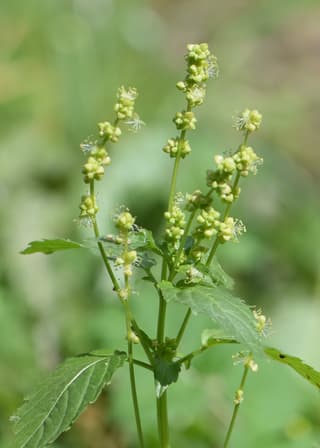
Annual mercury
Mercurialis annua
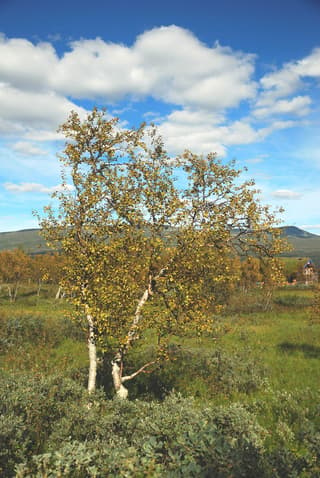
Downy Birch
Betula pubescens
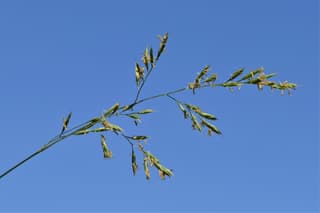
Red Fescue
Festuca rubra
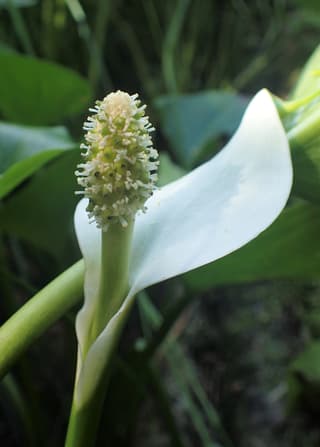
Bog Arum
Calla
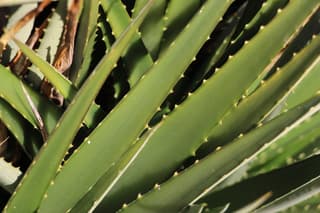
Sawblade Dyckia
Dyckia brevifolia

Common Blanketflower
Gaillardia aristata
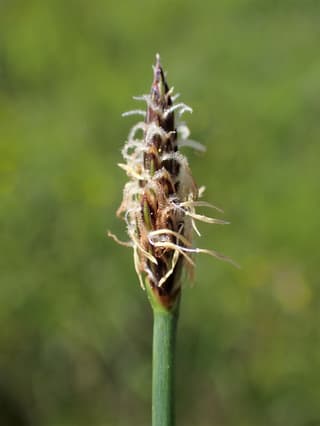
Spikerush
Eleocharis
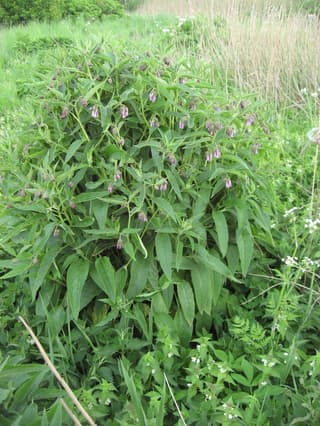
Russian Comfrey
Symphytum × uplandicum
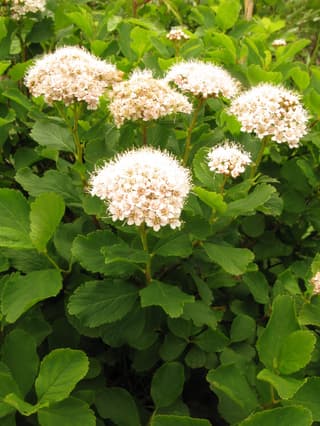
Birchleaf Spirea
Spiraea betulifolia
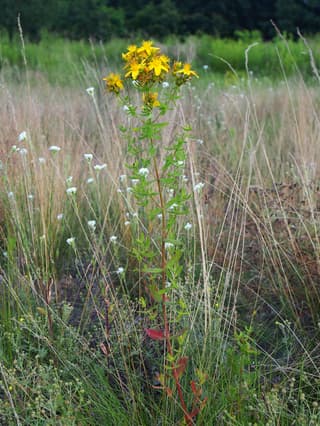
St. John's Wort
Hypericum
Ideal Easy Care for San Pedro de la Paz's Climate
San Pedro de la Paz has an average temperature of 13°C and humidity of 82.5%, conditions that directly influence which easy care best adapt to the local environment.
How to Grow Easy Care in San Pedro de la Paz
To successfully grow easy care in San Pedro de la Paz, consider that the average temperature of 13°C and humidity of 82.5% create a specific microclimate. High humidity favors tropical species, but requires attention to ventilation to prevent fungal issues.
Advantages of Choosing Adapted Easy Care
Easy Care adapted to San Pedro de la Paz's climate show greater resistance, healthy growth, and less need for interventions.