500 Best Plants for St. Tammany Parish | 2026 Guide - Page 4
Discover the 500 ideal plants for St. Tammany Parish's climate. Average temp: 21.1°C, Humidity: 74.1%.
Top 500 Plants for St. Tammany Parish
Showing 109-144 of 500
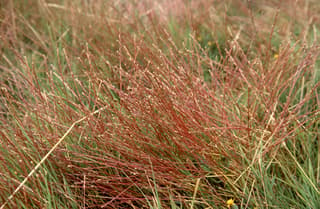
Sea Hard-grass
Parapholis strigosa
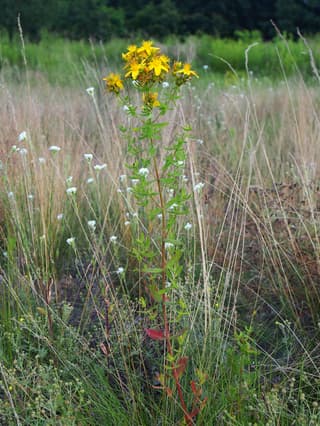
St. John's Wort
Hypericum
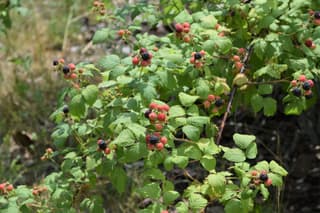
Black Raspberry
Rubus occidentalis
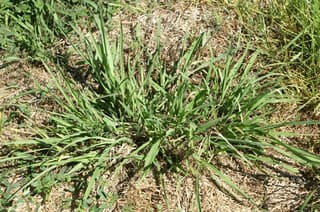
Dallisgrass
Paspalum dilatatum
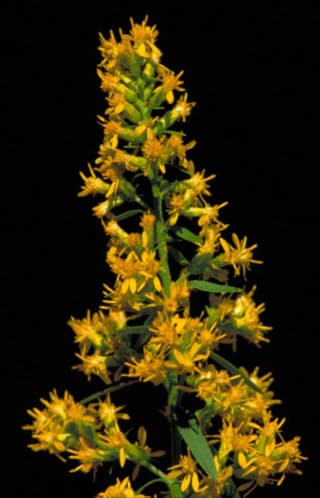
Goldenrod
Solidago
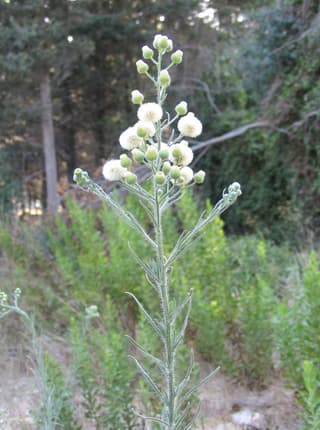
Argentine fleabane
Conyza bonariensis
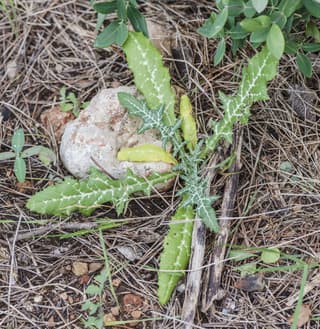
Common Sowthistle
Sonchus oleraceus
Soybean
Glycine max
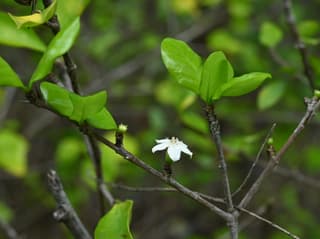
White Indigoberry
Randia aculeata
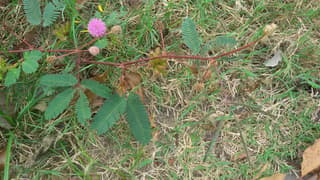
Sensitive Plant
Mimosa pudica
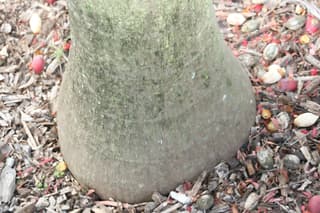
Montgomery Palm
Veitchia arecina
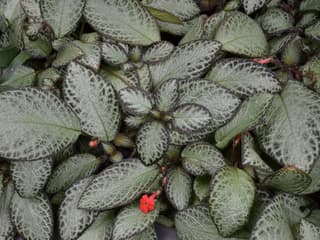
Flame Violet
Episcia reptans
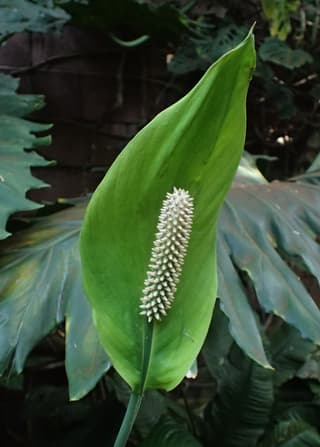
Peace Lily
Spathiphyllum blandum
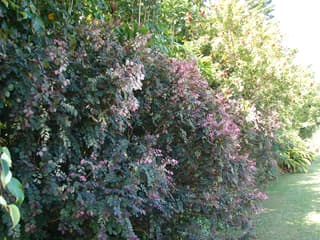
Snowbush
Breynia disticha
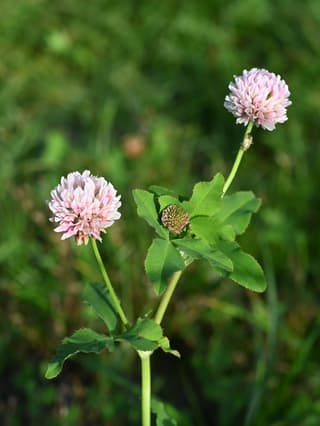
Alsike Clover
Trifolium hybridum
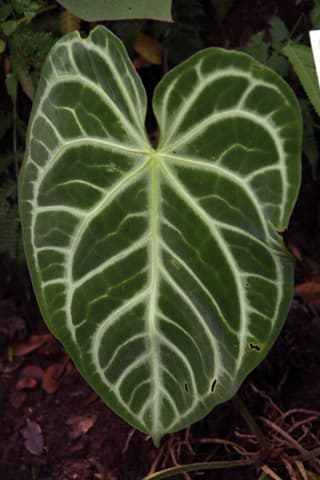
Crystal Anthurium
Anthurium crystallinum
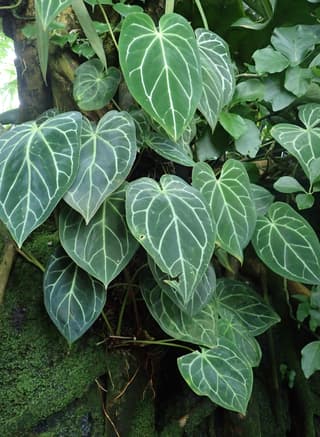
Magnificent Anthurium
Anthurium magnificum
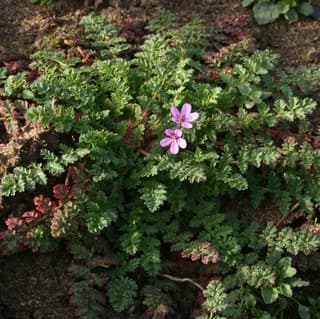
Redstem Filaree
Erodium cicutarium
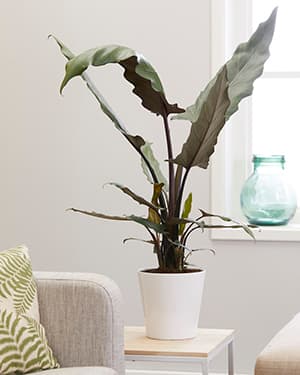
Purple Sword
Alocasia lauterbachiana
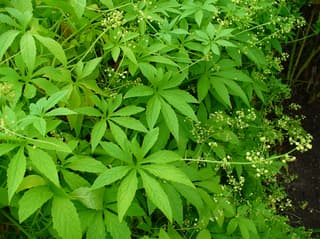
Caigua
Cyclanthera pedata
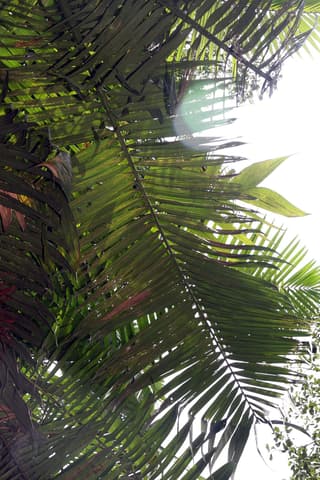
Breadnut
Brosimum alicastrum
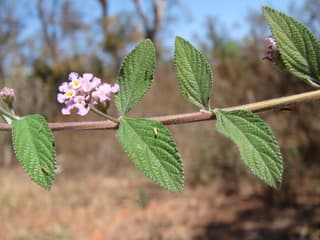
Bushy Lippia
Lippia alba
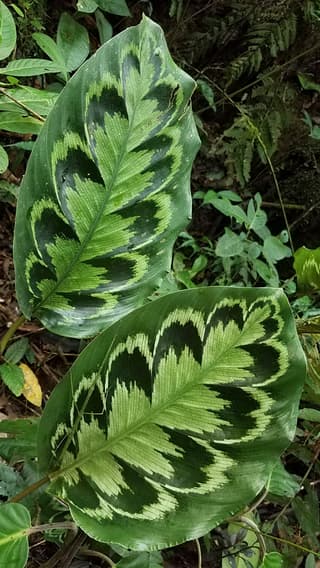
Medallion Calathea
Goeppertia veitchiana
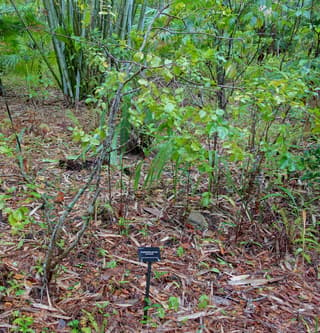
Black Ironwood
Krugiodendron ferreum
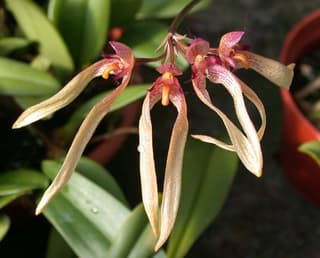
Pale Umbrella Orchid
Bulbophyllum longiflorum
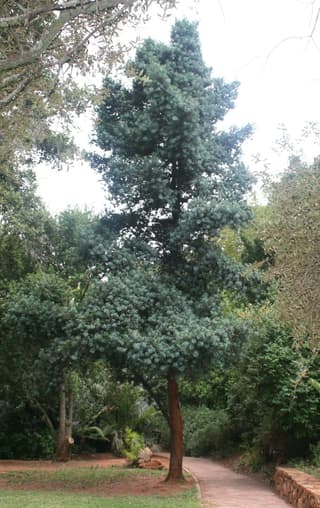
Breede River Yellowwood
Podocarpus elongatus
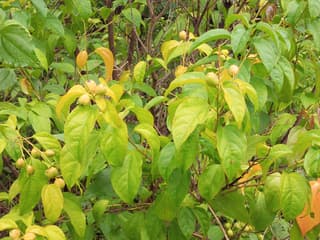
Croton
Croton
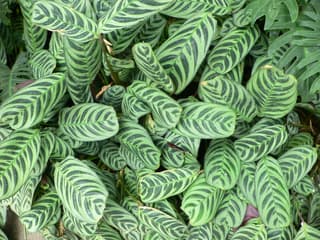
Fishbone Prayer Plant
Ctenanthe burle-marxii
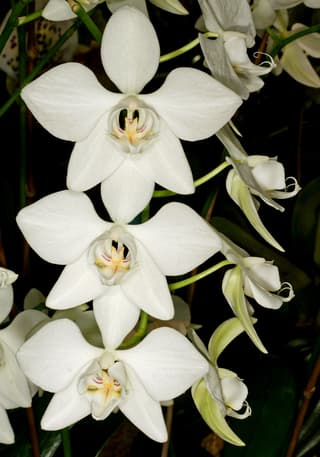
Moth Orchid
Phalaenopsis aphrodite
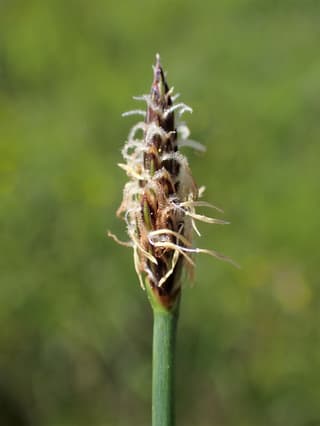
Spikerush
Eleocharis
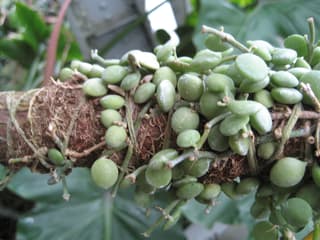
String of Nickels
Dischidia nummularia
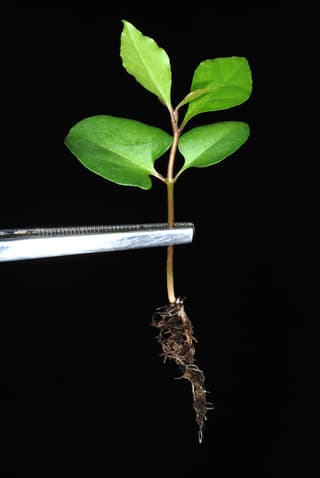
Pull-and-hold
Pisonia aculeata
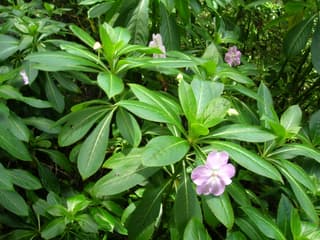
Poor Man's Rhododendron
Impatiens sodenii
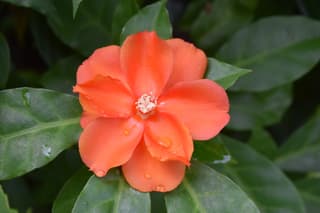
Leaf Cactus
Leuenbergeria
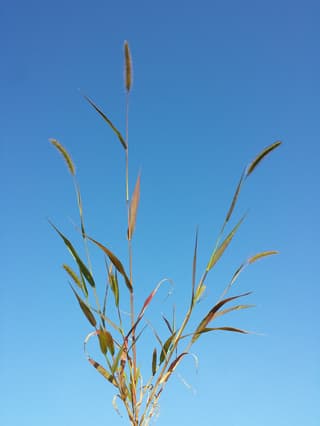
Foxtail Grass
Setaria
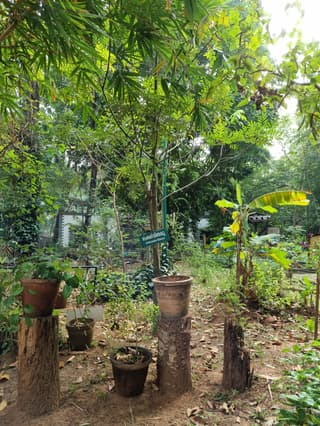
Bitterwood
Simarouba glauca
St. Tammany Parish Climate for Plant Growing
St. Tammany Parish has a climate with an average annual temperature of 21.1°C and average relative humidity of 74.1%. These climate conditions are ideal for various species of ornamental and fruit plants.
Tips for Growing Plants in St. Tammany Parish
To succeed in growing plants in St. Tammany Parish, consider the average temperature of 21.1°C when choosing your species. The temperate climate allows you to grow a wide variety of species. High humidity favors tropical plants, but watch for fungal issues.
Why Choose Plants Adapted to the Local Climate?
Plants adapted to St. Tammany Parish's climate require less care, consume less water, and are more likely to thrive. Our selection considers the compatibility between each species' needs and local climate conditions, including temperature (21.1°C) and humidity (74.1%).