500 Best Easy Care for Inverclyde | 2026 Guide - Page 10
The 500 best easy care to grow in Inverclyde. Ideal climate: 10°C, 84.2% humidity.
500 Easy Care for Inverclyde
Showing 325-360 of 500
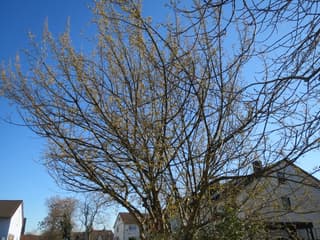
Cornelian Cherry
Cornus mas
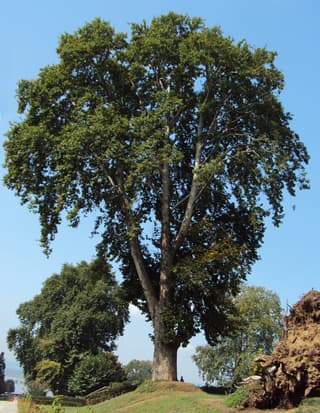
Oriental Plane
Platanus orientalis
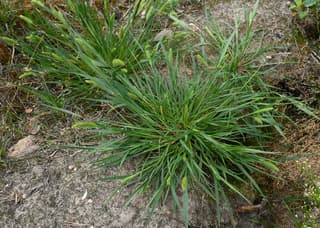
Green Foxtail
Setaria viridis
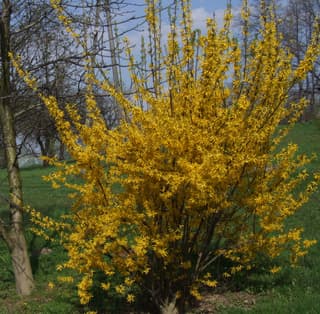
Border Forsythia
Forsythia x intermedia
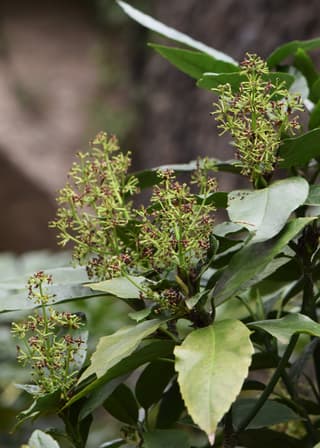
Japanese Laurel / Spotted Laurel (genus)
Aucuba
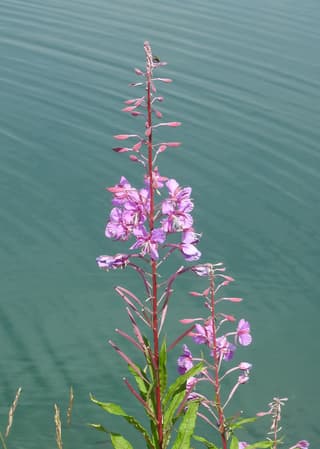
Willowherb / Fireweed (genus)
Epilobium
Glossy Abelia
Abelia x grandiflora
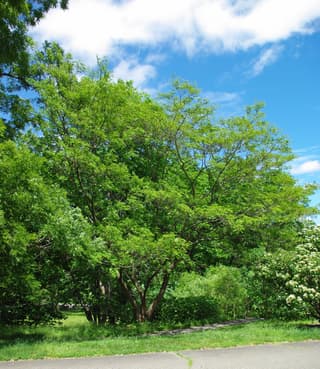
Silk Tree
Albizia julibrissin
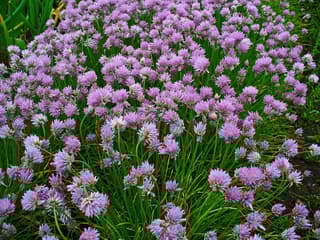
Chives
Allium schoenoprasum
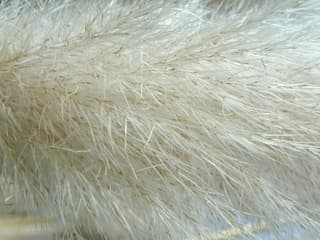
Pampas Grass
Cortaderia selloana
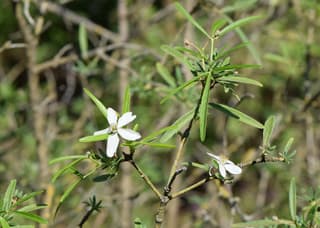
Mexican Orange Blossom (genus)
Choisya
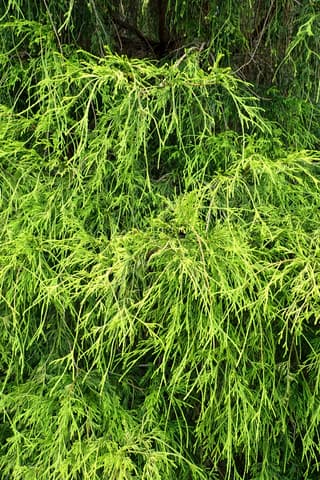
Golden Thread Cypress
Chamaecyparis pisifera filifera aurea
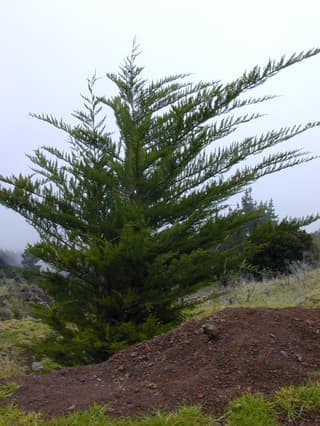
Monterey Cypress
Cupressus macrocarpa
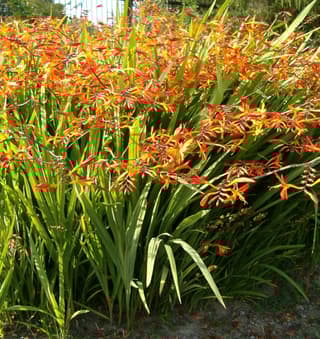
Montbretia
Crocosmia crocosmiiflora
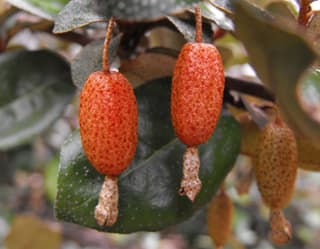
Thorny Olive
Elaeagnus pungens
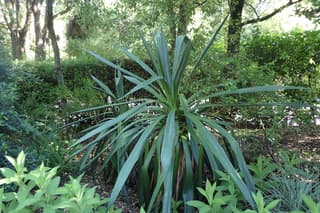
Mauritius Hemp
Furcraea foetida
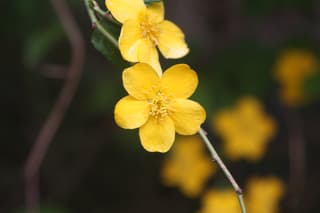
Japanese Kerria
Kerria japonica
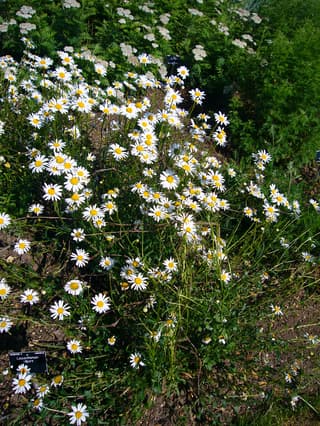
Oxeye Daisy
Leucanthemum vulgare
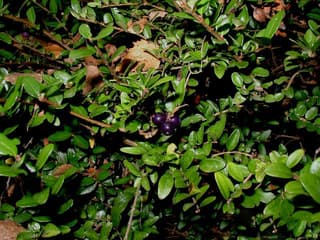
Boxleaf Honeysuckle
Lonicera nitida
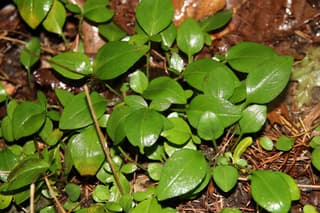
Shrubby St. John's Wort
Hypericum prolificum

Woodbine
Parthenocissus
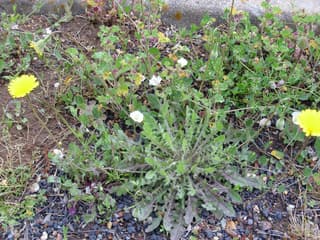
Rough Hawkbit
Leontodon hispidus
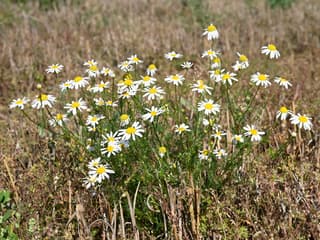
Scentless Chamomile
Tripleurospermum inodorum
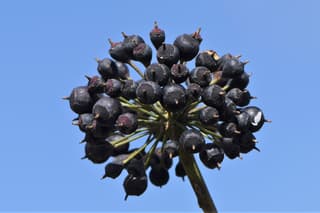
Atlantic Ivy
Hedera hibernica
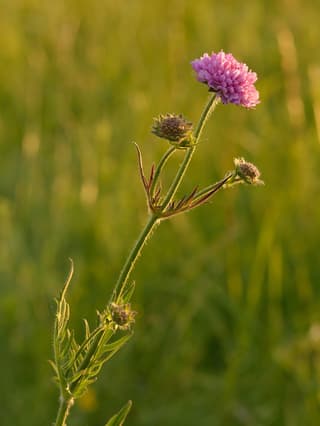
Field Scabious
Knautia arvensis
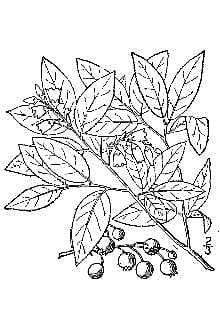
Hillside Blueberry
Vaccinium pallidum
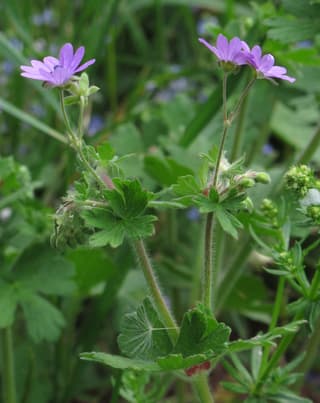
Hedgerow Cranesbill
Geranium pyrenaicum
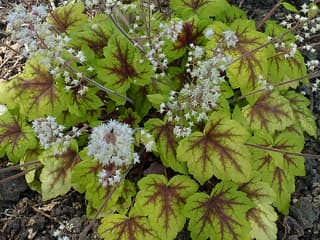
Foamy Bells
Heucherella
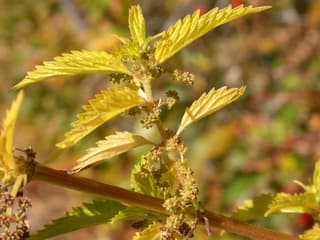
Slender Stinging Nettle
Urtica gracilis
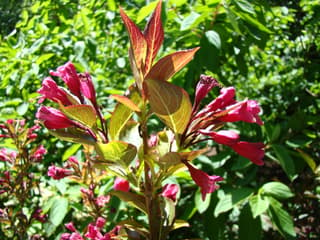
Old Fashioned Weigela
Weigela florida
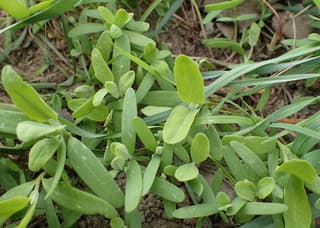
Common Orache
Atriplex patula
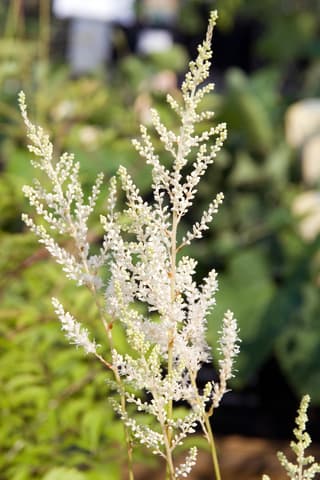
Japanese Astilbe
Astilbe japonica
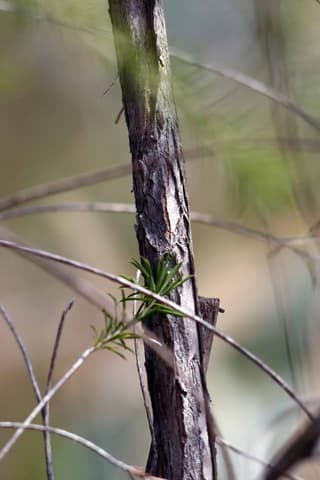
Bracelet Honey Myrtle
Melaleuca armillaris
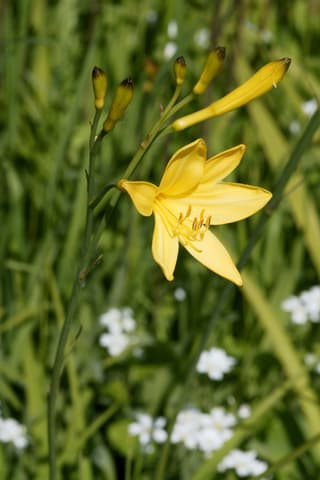
Orange daylily
Hemerocallis fulva
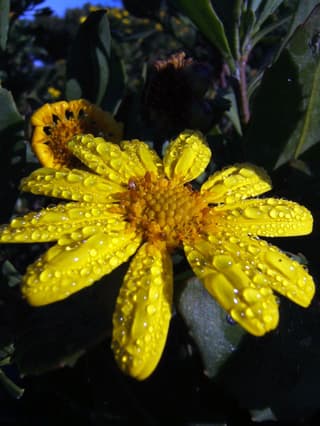
Bietou
Osteospermum moniliferum
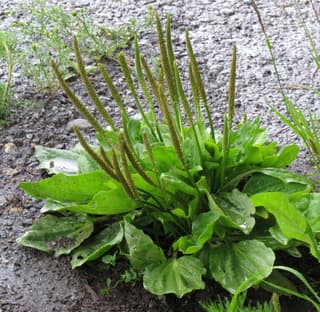
Broadleaf Plantain
Plantago major
Ideal Easy Care for Inverclyde's Climate
Inverclyde has an average temperature of 10°C and humidity of 84.2%, conditions that directly influence which easy care best adapt to the local environment.
How to Grow Easy Care in Inverclyde
To successfully grow easy care in Inverclyde, consider that the average temperature of 10°C and humidity of 84.2% create a specific microclimate. High humidity favors tropical species, but requires attention to ventilation to prevent fungal issues.
Advantages of Choosing Adapted Easy Care
Easy Care adapted to Inverclyde's climate show greater resistance, healthy growth, and less need for interventions.