500 Best Pet Safe for Sandy | 2026 Guide - Page 6
The 500 best pet safe to grow in Sandy. Ideal climate: 10.4°C, 49% humidity.
500 Pet Safe for Sandy
Showing 181-216 of 500

Japanese Barberry
Berberis thunbergii
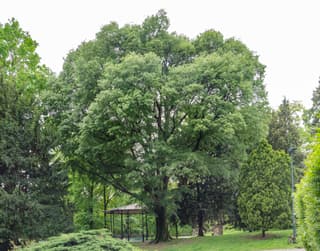
European Nettle Tree
Celtis australis
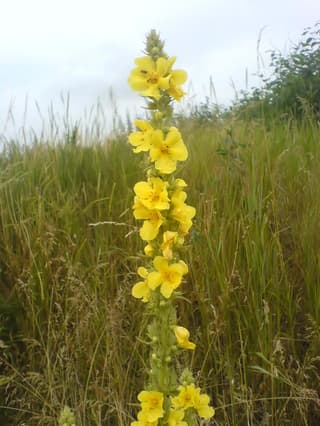
Denseflower Mullein
Verbascum densiflorum
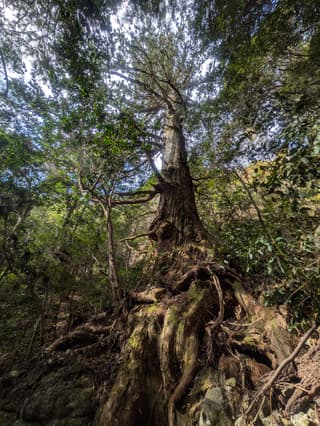
Japanese Cedar
Cryptomeria japonica
Indian Hawthorn
Rhaphiolepis indica
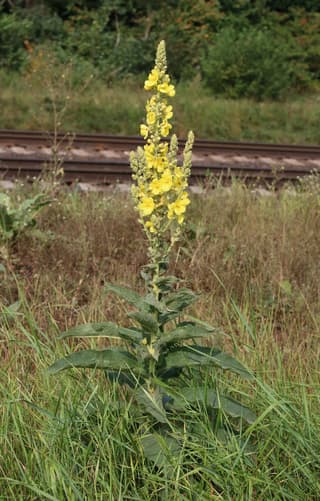
Orange Mullein
Verbascum phlomoides
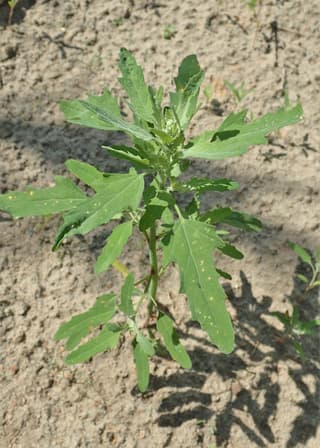
Fig-leaved Goosefoot
Chenopodium ficifolium
Black bindweed
Fallopia convolvulus
Cast Iron Plant
Aspidistra lurida
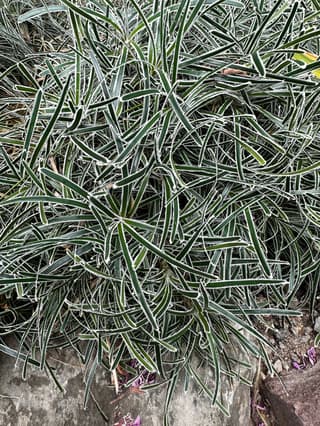
Sedge
Ficinia
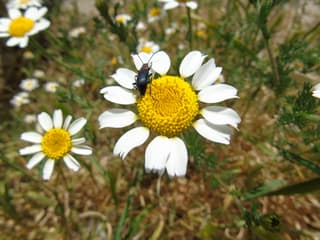
Corn chamomile
Anthemis arvensis
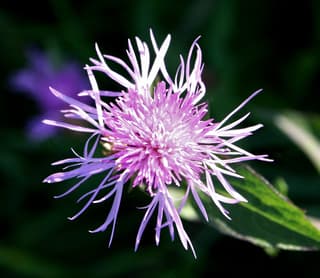
Tyrol Knapweed
Centaurea nigrescens
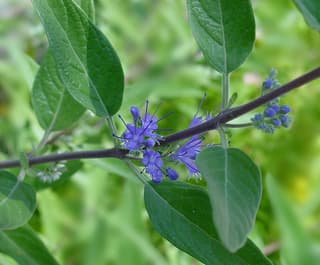
Bluebeard
Caryopteris × clandonensis
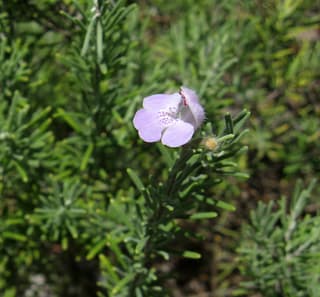
False Rosemary
Conradina
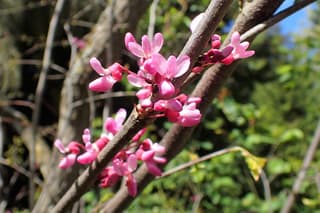
Chinese Redbud
Cercis chinensis
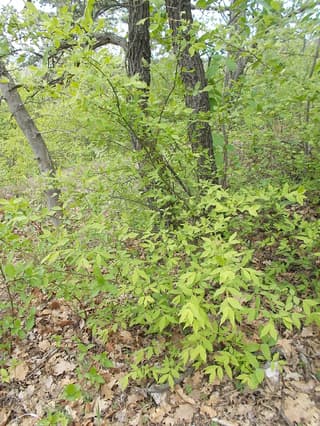
Common Dogwood
Cornus sanguinea
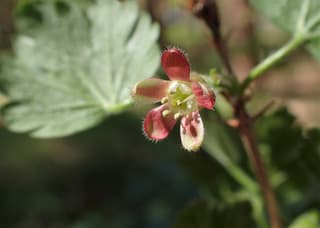
Gooseberry
Ribes uva-crispa
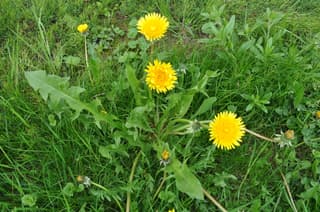
Dandelion
Taraxacum
Maritime sunburst lichen
Xanthoria parietina
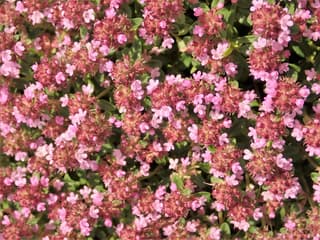
Wild Thyme
Thymus serpyllum

European Ash
Fraxinus excelsior

Siberian Elm
Ulmus pumila
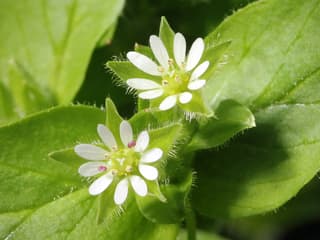
Chickweed
Stellaria media
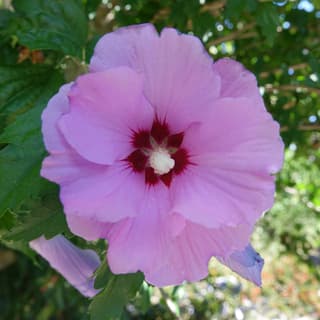
Rose of Sharon
Hibiscus syriacus
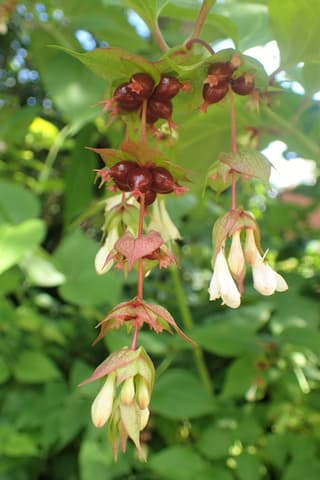
Himalayan honeysuckle
Leycesteria formosa
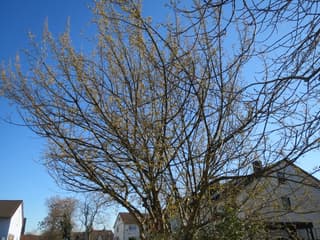
Cornelian Cherry
Cornus mas
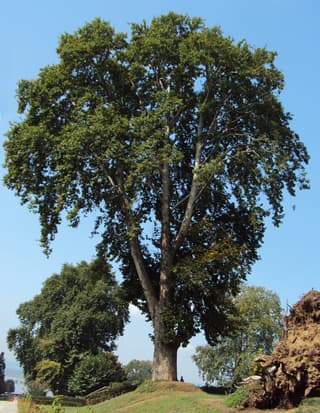
Oriental Plane
Platanus orientalis
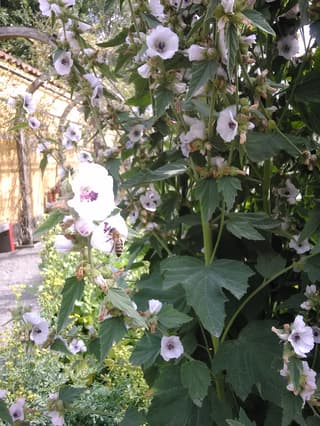
Marshmallow
Althaea officinalis
Common mallow
Malva neglecta
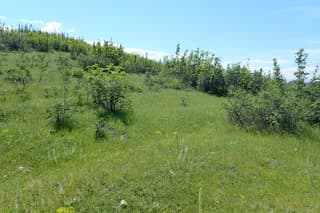
Christ's thorn
Paliurus spina-christi
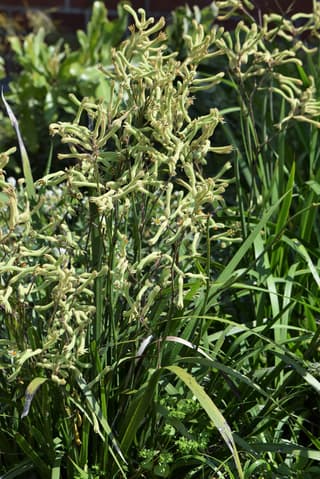
Tall Kangaroo Paw
Anigozanthos flavidus

Arugula
Eruca vesicaria
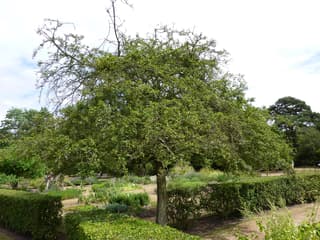
Midland Hawthorn
Crataegus laevigata
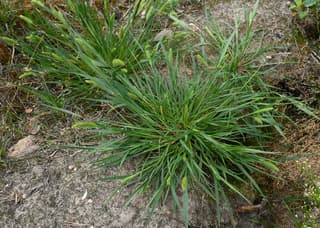
Green Foxtail
Setaria viridis
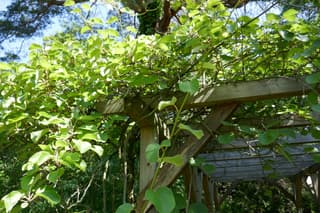
Golden Kiwifruit
Actinidia chinensis
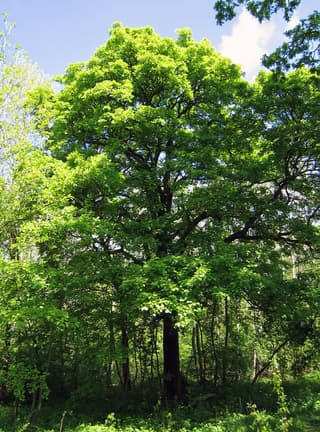
Wild Service Tree
Torminalis glaberrima
Ideal Pet Safe for Sandy's Climate
Sandy has an average temperature of 10.4°C and humidity of 49%, conditions that directly influence which pet safe best adapt to the local environment.
How to Grow Pet Safe in Sandy
To successfully grow pet safe in Sandy, consider that the average temperature of 10.4°C and humidity of 49% create a specific microclimate. Lower humidity requires more frequent watering and use of drip trays.
Advantages of Choosing Adapted Pet Safe
Pet Safe adapted to Sandy's climate show greater resistance, healthy growth, and less need for interventions.