500 Best Pet Safe for Divisa Nova | 2026 Guide - Page 2
The 500 best pet safe to grow in Divisa Nova. Ideal climate: 20.4°C, 73.9% humidity.
500 Pet Safe for Divisa Nova
Showing 37-72 of 500
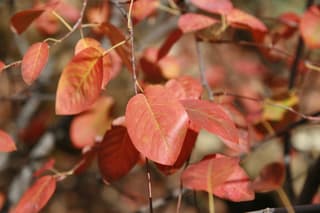
Serviceberry
Amelanchier canadensis
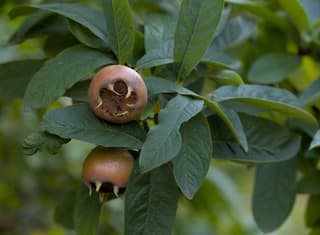
Medlar
Mespilus germanica
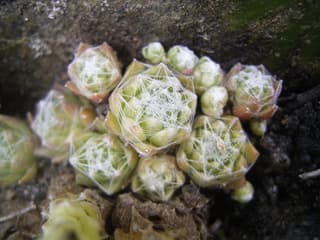
Cobweb Houseleek
Sempervivum arachnoideum
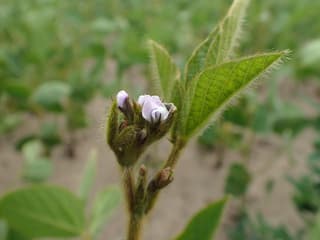
Soybean
Glycine max
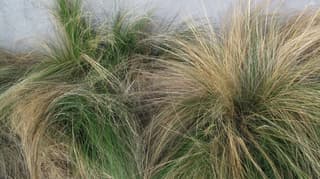
Mexican feather grass
Nassella tenuissima
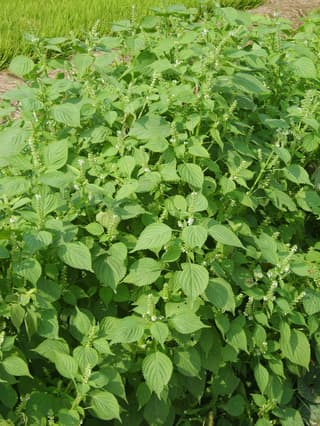
Shiso
Perilla frutescens
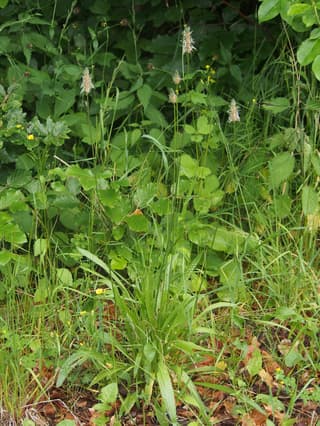
Ribwort Plantain
Plantago lanceolata
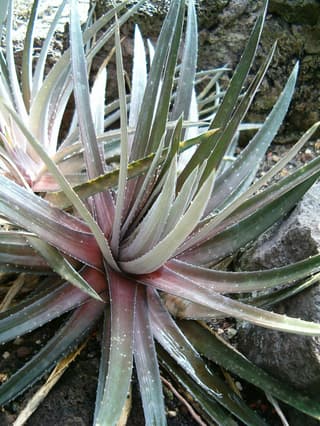
Dyckia
Dyckia
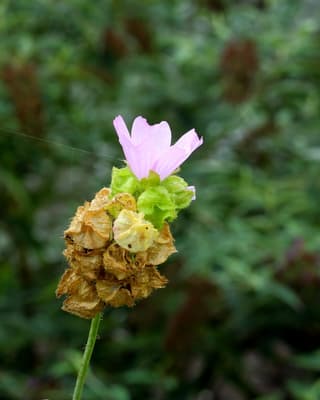
Musk Mallow
Malva moschata
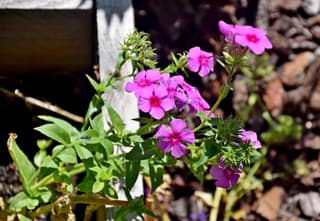
Annual Phlox
Phlox drummondii
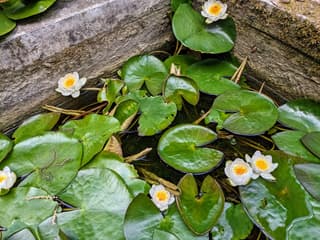
White Water Lily
Nymphaea candida
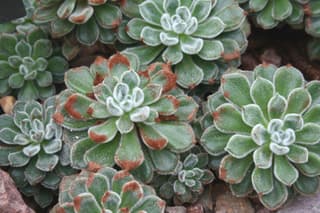
Mexican Firecracker
Echeveria setosa
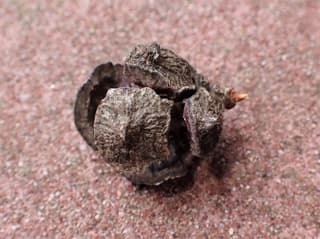
Mexican Cypress
Cupressus lusitanica
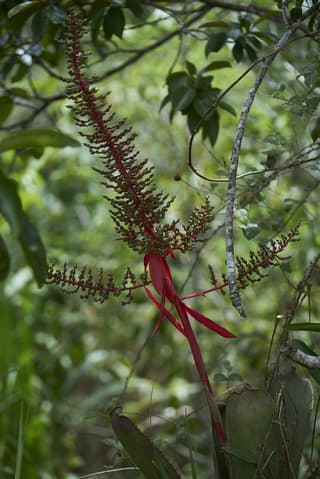
Teata Bromeliad
Aechmea bracteata
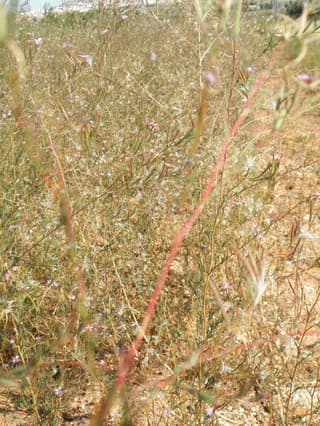
Square-stemmed Willowherb
Epilobium tetragonum
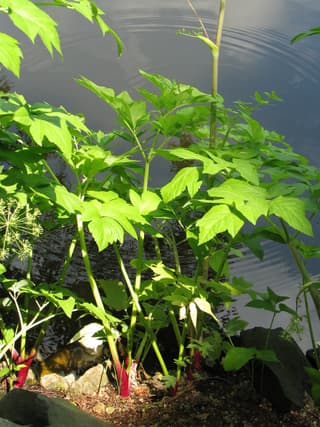
Garden Angelica
Angelica archangelica
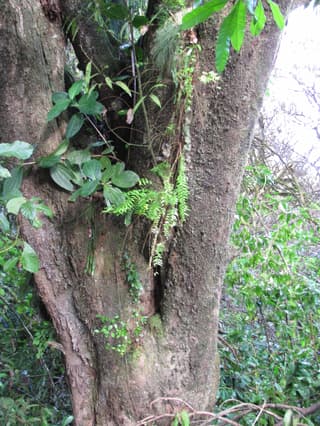
Fishtail Fern
Nephrolepis falcata
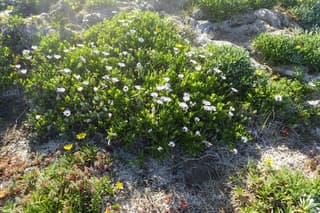
Trailing African Daisy
Dimorphotheca fruticosa
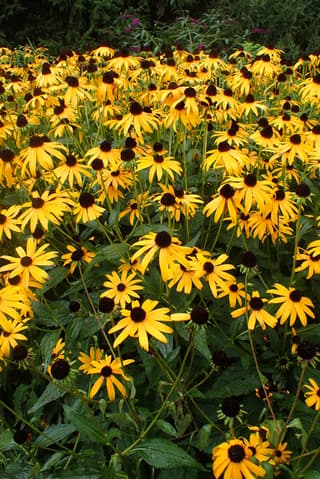
Orange Coneflower
Rudbeckia fulgida
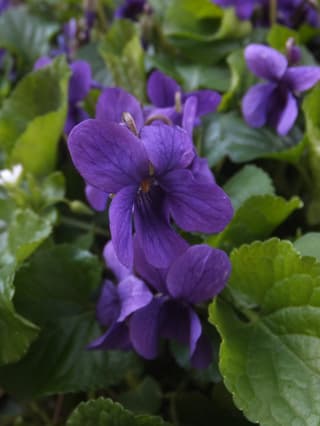
Sweet Violet
Viola
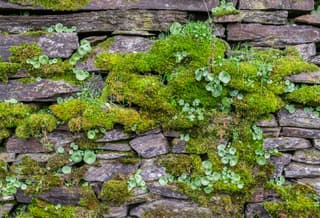
Navelwort
Umbilicus rupestris
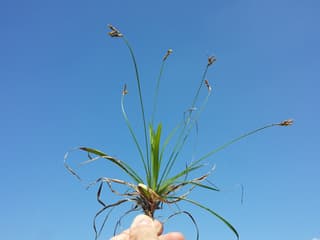
Bird's-foot Sedge
Carex ornithopoda
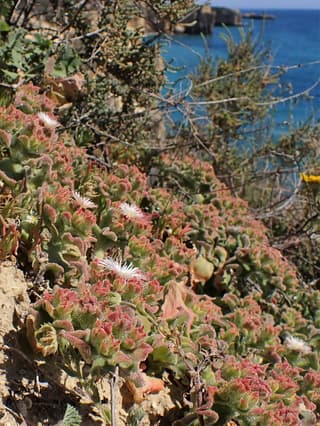
Common Ice Plant
Mesembryanthemum crystallinum
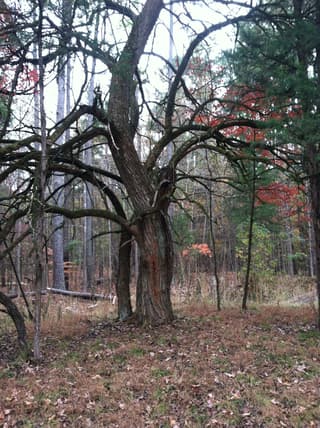
Osage Orange
Maclura pomifera
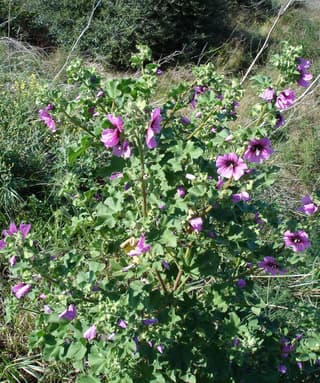
Tree Mallow
Malva arborea
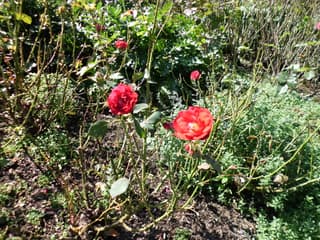
Kordes rose
Rosa kordesii
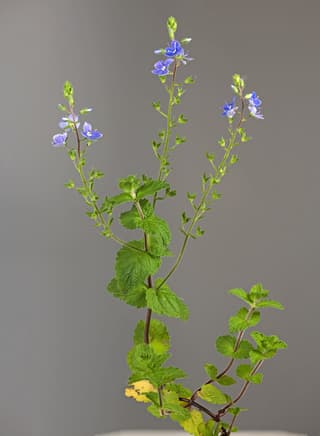
Germander Speedwell
Veronica chamaedrys
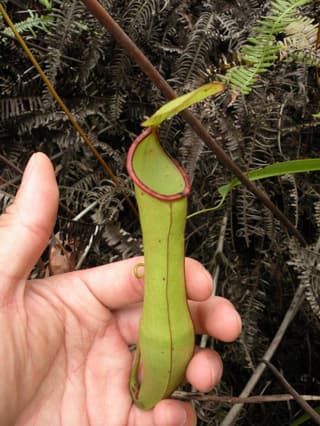
Neglecta Pitcher Plant
Nepenthes × neglecta
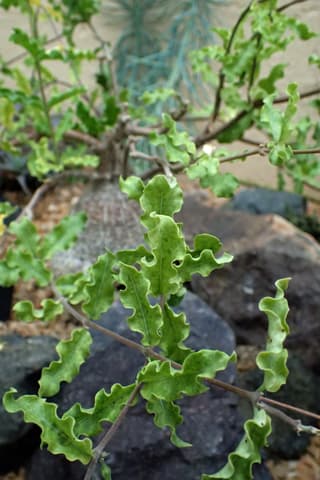
Hottentot Bread
Fockea edulis
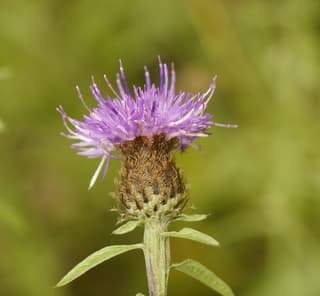
Common knapweed
Centaurea nigra
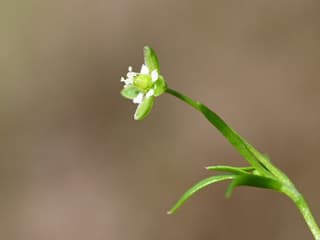
Procumbent pearlwort
Sagina procumbens
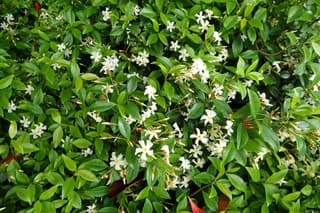
Asian Jasmine
Trachelospermum asiaticum
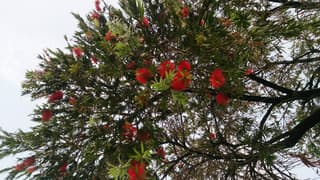
Crimson bottlebrush
Melaleuca citrina
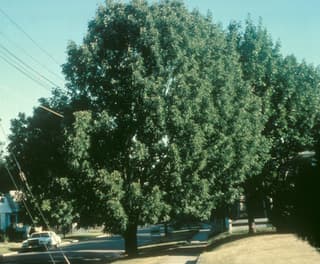
White ash
Fraxinus americana
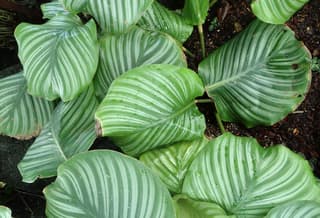
Round-leaf Calathea
Calathea orbifolia
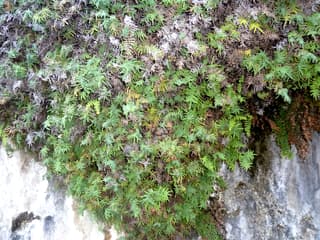
Coral Fern
Gleichenia polypodioides
Ideal Pet Safe for Divisa Nova's Climate
Divisa Nova has an average temperature of 20.4°C and humidity of 73.9%, conditions that directly influence which pet safe best adapt to the local environment.
How to Grow Pet Safe in Divisa Nova
To successfully grow pet safe in Divisa Nova, consider that the average temperature of 20.4°C and humidity of 73.9% create a specific microclimate. High humidity favors tropical species, but requires attention to ventilation to prevent fungal issues.
Advantages of Choosing Adapted Pet Safe
Pet Safe adapted to Divisa Nova's climate show greater resistance, healthy growth, and less need for interventions.