Bloom
🌿

500 Best Pet Safe for Papanduva | 2026 Guide - Page 6

The 500 best pet safe to grow in Papanduva. Ideal climate: 17.7°C, 83.9% humidity.

🌡️ 17.7°C
💧 83.9%

500 Pet Safe for Papanduva

Showing 181-216 of 500
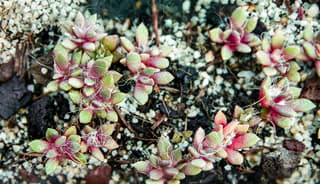
Sand rose
181
★ 96%

Sand rose

Anacampseros rufescens

Easy 💧 10 days 🌡️ -6.67°C - 26°C
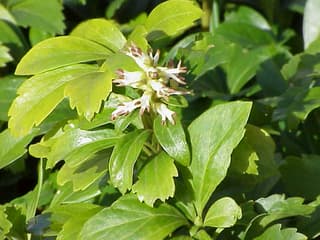
Japanese spurge
182
★ 96%

Japanese spurge

Pachysandra terminalis
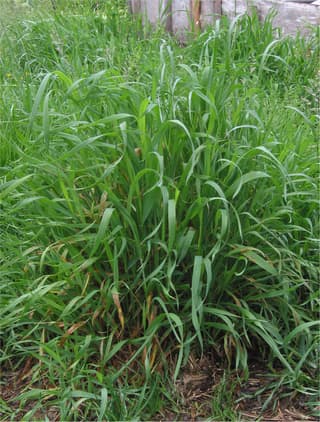
Easy 💧 10 days 🌡️ -34°C - 32°C
Quackgrass
183
★ 96%

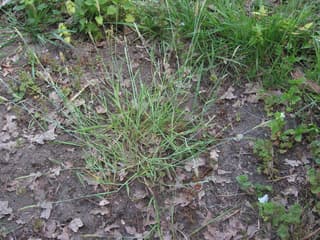
Quackgrass

Elymus repens

Easy 💧 14 days 🌡️ -30°C - 35°C
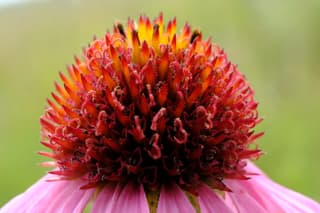
Narrow-leaf Coneflower
184
★ 96%

Narrow-leaf Coneflower

Echinacea angustifolia
Easy 💧 7 days 🌡️ -34°C - 35°C
Purple Roscoea
185
★ 96%

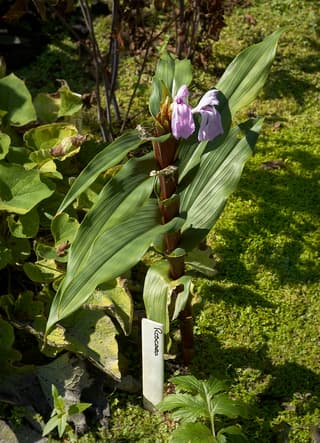
Purple Roscoea

Roscoea purpurea

Medium 💧 6 days 🌡️ -15°C - 28°C
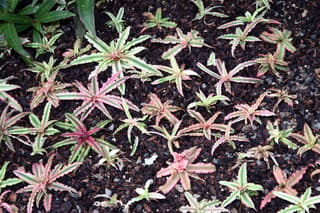
Earth Star
186
★ 96%

Earth Star

Cryptanthus bivittatus

Easy 💧 7 days 🌡️ 15°C - 27°C
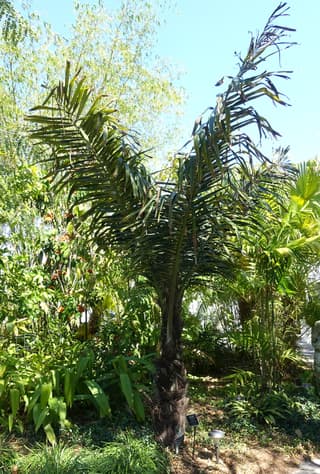
Sugar Palm
187
★ 96%

Sugar Palm

Arenga pinnata

Hard 💧 7 days 🌡️ 10°C - 40°C
Veined Chamaeranthemum
188
★ 96%

Veined Chamaeranthemum

Chamaeranthemum venosum
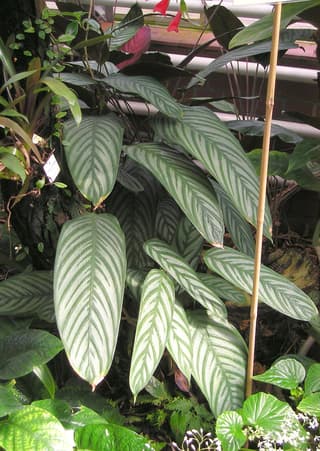
Easy 💧 4 days 🌡️ 15°C - 28°C
Grey Star
189
★ 96%

Grey Star

Ctenanthe setosa

Medium 💧 7 days 🌡️ 15°C - 27°C
Scarlet Banana
190
★ 96%

Scarlet Banana

Musa coccinea

Medium 💧 7 days 🌡️ 13°C - 35°C
Delicate violet orchid
191
★ 95%

Delicate violet orchid

Ionopsis utricularioides

Hard 💧 2 days 🌡️ 16°C - 27°C
🌿
192
★ 95%

Bonnet mushroom

Mycena galericulata

Hard 💧 2 days 🌡️ 5°C - 20°C
spiral ginger
193
★ 95%

spiral ginger

Costus

Medium 💧 5 days 🌡️ 15°C - 35°C
New Zealand Cedar
194
★ 95%

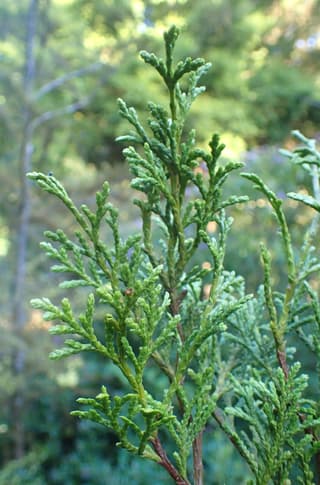
New Zealand Cedar

Libocedrus bidwillii
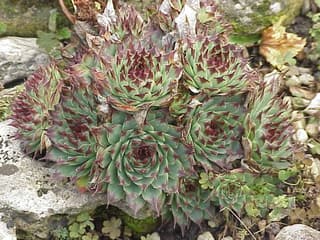
Medium 💧 10 days 🌡️ -12°C - 25°C
Limestone Houseleek
195
★ 95%

Limestone Houseleek

Sempervivum calcareum
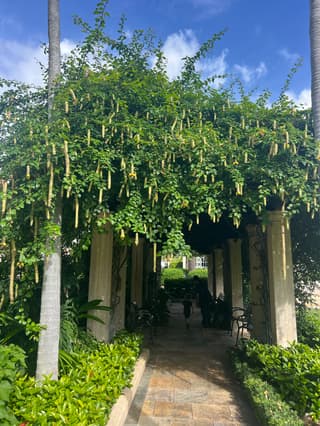
Easy 💧 14 days 🌡️ -34°C - 29°C
Parrot's Beak
196
★ 95%

Parrot's Beak

Gmelina philippensis

Easy 💧 7 days 🌡️ 15°C - 35°C
Star Apple
197
★ 95%

Star Apple

Chrysophyllum

Medium 💧 10 days 🌡️ 15°C - 35°C
Water Foxtail
198
★ 95%

Water Foxtail

Alopecurus geniculatus

Easy 💧 2 days 🌡️ -15°C - 25°C
Brazilwood
199
★ 95%

Brazilwood

Paubrasilia echinata

Hard 💧 7 days 🌡️ 15°C - 35°C
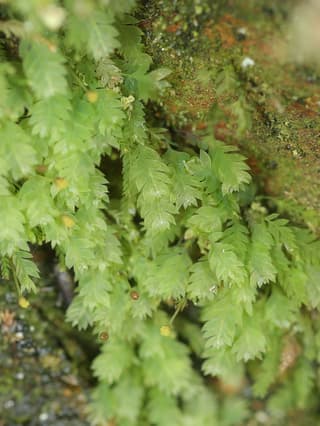
Luminous moss
200
★ 95%

Luminous moss

Schistostega pennata

Hard 🌡️ 5°C - 20°C
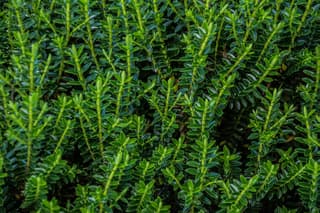
Fragrant Hebe
201
★ 95%

Fragrant Hebe

Hebe odora

Easy 💧 7 days 🌡️ -15°C - 25°C
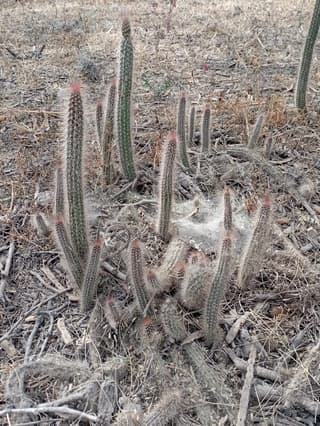
Snake Cactus, Junco, Queen of the Night
202
★ 95%

Snake Cactus, Junco, Queen of the Night

Nyctocereus serpentinus
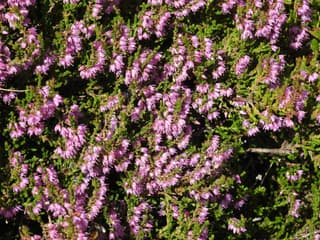
Medium 💧 14 days 🌡️ 15°C - 29°C
Common Heather
203
★ 95%

Common Heather

Calluna vulgaris

Medium 💧 7 days 🌡️ -20°C - 25°C
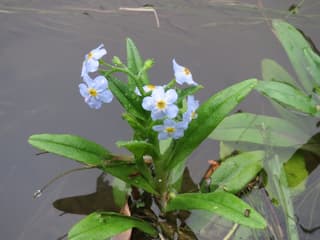
Water Forget-me-not
204
★ 95%

Water Forget-me-not

Myosotis scorpioides
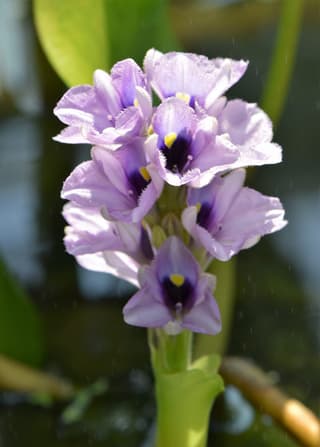
Easy 💧 1 days 🌡️ -20°C - 25°C
Anchored Water Hyacinth
205
★ 95%

Anchored Water Hyacinth

Pontederia azurea
Medium 💧 1 days 🌡️ 15°C - 35°C
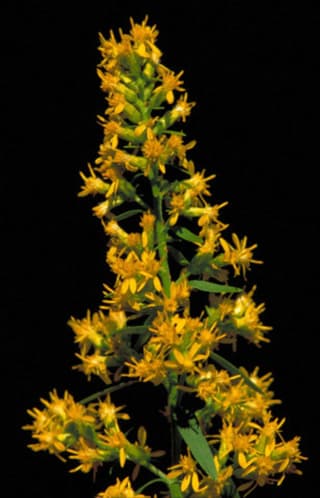
Goldenrod
206
★ 95%

Goldenrod

Solidago

Easy 💧 10 days 🌡️ 15°C - 30°C
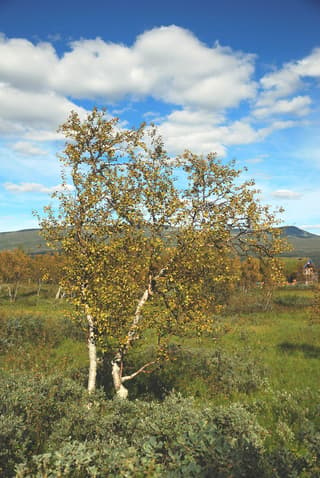
Downy Birch
207
★ 95%

Downy Birch

Betula pubescens

Easy 💧 4 days 🌡️ -40°C - 32°C
Genipap
208
★ 95%

Genipap

Genipa americana

Medium 💧 5 days 🌡️ 15°C - 35°C
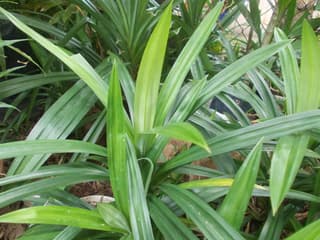
Pandan
209
★ 95%

Pandan

Pandanus amaryllifolius

Medium 💧 6 days 🌡️ 15°C - 32°C
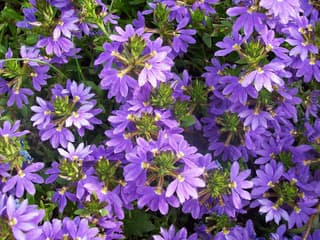
Fan Flower
210
★ 95%

Fan Flower

Scaevola

Easy 💧 5 days 🌡️ 15°C - 32°C
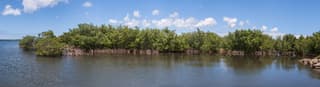
Mangrove
211
★ 95%

Mangrove

Rhizophora

Hard 💧 1 days 🌡️ 15°C - 35°C
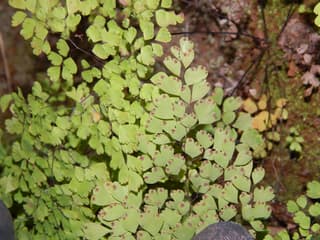
Delta Maidenhair Fern
212
★ 95%

Delta Maidenhair Fern

Adiantum raddianum
Hard 💧 3 days 🌡️ 16°C - 28°C
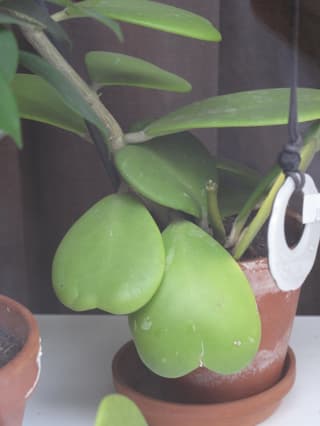
Sweetheart Hoya
213
★ 95%

Sweetheart Hoya

Hoya kerrii

Easy 💧 14 days 🌡️ 15°C - 29°C
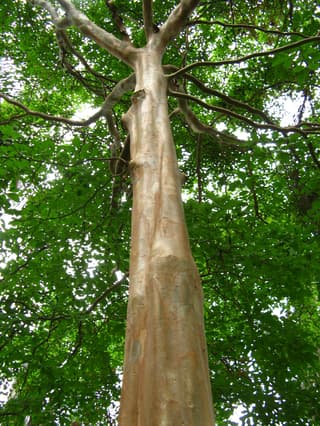
Capirona
214
★ 95%

Capirona

Calycophyllum spruceanum

Medium 💧 7 days 🌡️ 15°C - 35°C
Cannonball Tree
215
★ 95%

Cannonball Tree

Couroupita guianensis
Medium 💧 7 days 🌡️ 15°C - 35°C
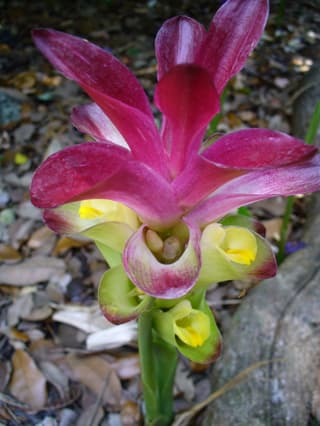
Zedoary
216
★ 95%

Zedoary

Curcuma zedoaria

Medium 💧 4 days 🌡️ 14°C - 35°C

Ideal Pet Safe for Papanduva's Climate

Papanduva has an average temperature of 17.7°C and humidity of 83.9%, conditions that directly influence which pet safe best adapt to the local environment.

How to Grow Pet Safe in Papanduva

To successfully grow pet safe in Papanduva, consider that the average temperature of 17.7°C and humidity of 83.9% create a specific microclimate. High humidity favors tropical species, but requires attention to ventilation to prevent fungal issues.

Advantages of Choosing Adapted Pet Safe

Pet Safe adapted to Papanduva's climate show greater resistance, healthy growth, and less need for interventions.