500 Best Plants for Parkland County | 2026 Guide - Page 2
Discover the 500 ideal plants for Parkland County's climate. Average temp: 5.3°C, Humidity: 71.2%.
Top 500 Plants for Parkland County
Showing 37-72 of 500
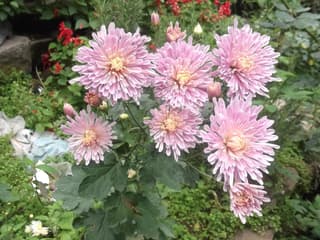
Chrysanthemum / Mum
Chrysanthemum
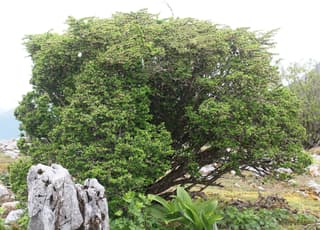
Japanese Barberry
Berberis thunbergii
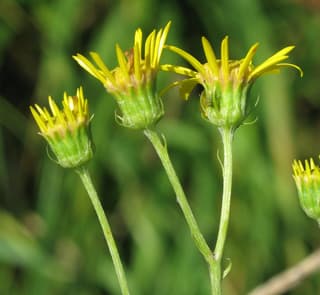
Hoary Ragwort
Jacobaea erucifolia
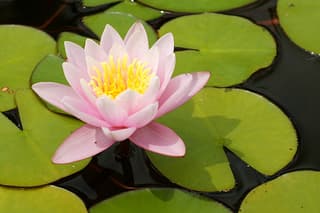
Water lily
Nymphaea × marliacea
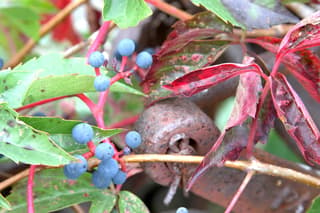
Woodbine
Parthenocissus vitacea
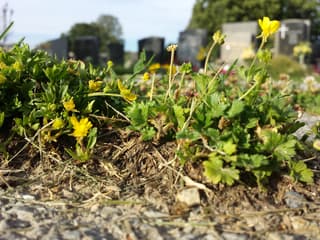
Hairy Buttercup
Ranunculus sardous
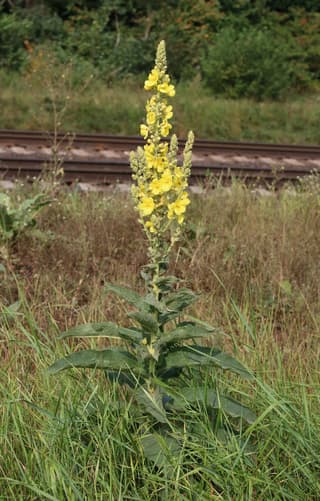
Orange Mullein
Verbascum phlomoides
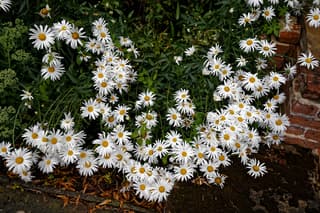
Shasta daisy
Leucanthemum × superbum
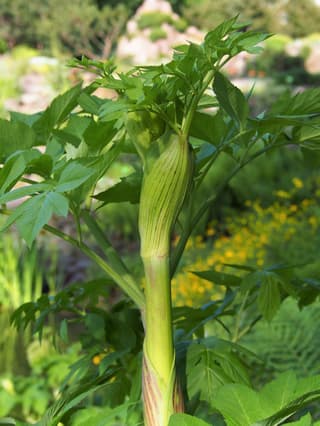
Angelica
Angelica
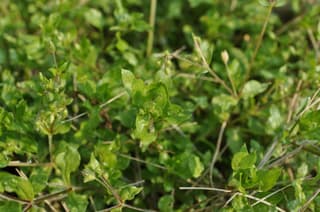
Common Chickweed
Stellaria
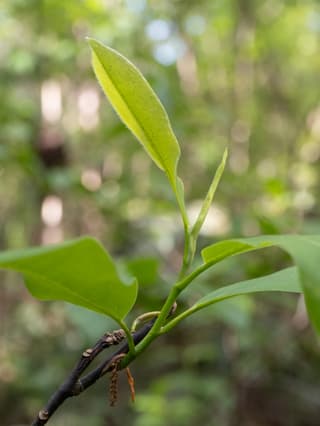
Sweetbay Magnolia
Magnolia virginiana
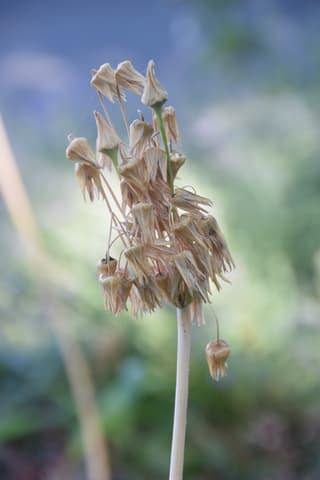
Fire and Ice Hosta
Hosta 'Fire and Ice'
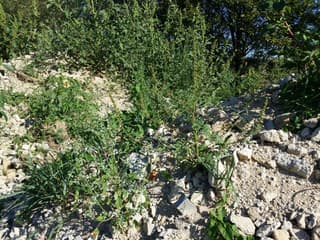
Ragweed
Ambrosia
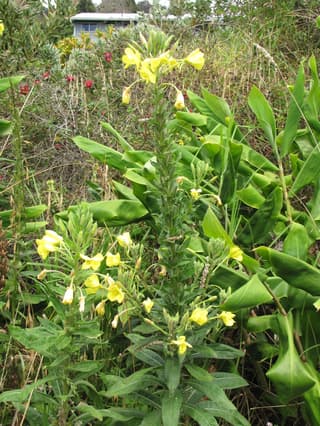
Evening Primrose
Oenothera
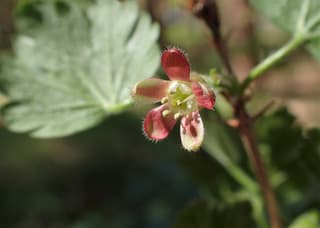
Gooseberry
Ribes uva-crispa
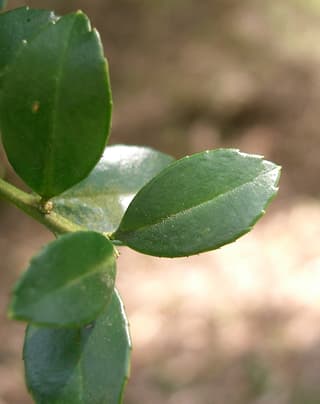
Japanese Holly 'Helleri'
Ilex crenata 'Helleri'
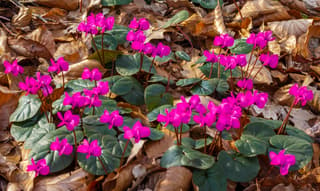
Eastern Cyclamen
Cyclamen coum
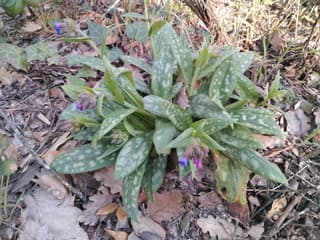
Long-leaved Lungwort
Pulmonaria longifolia
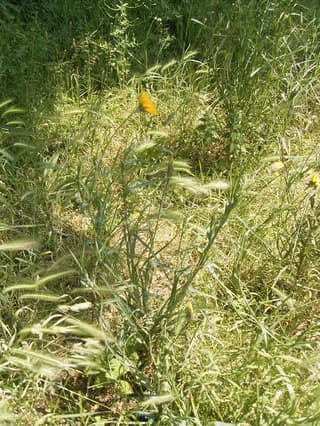
Goat's Beard
Tragopogon
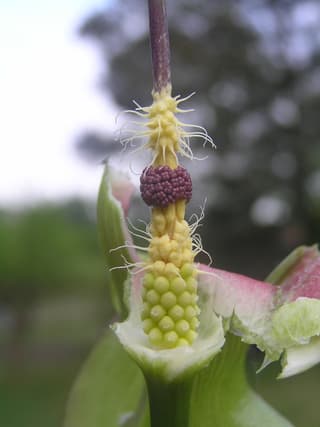
Danish Arum
Arum cylindraceum
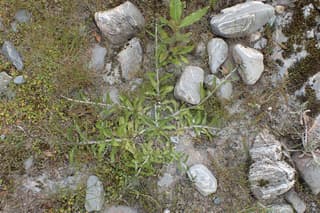
Gray Everlasting
Gamochaeta coarctata
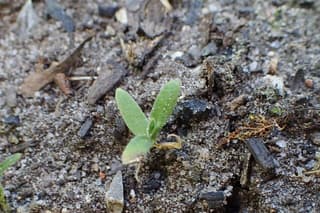
Baby's Breath
Gypsophila
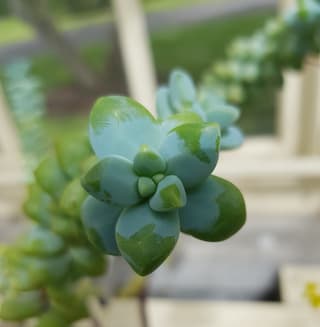
Silver Sedum
Sedum treleasei
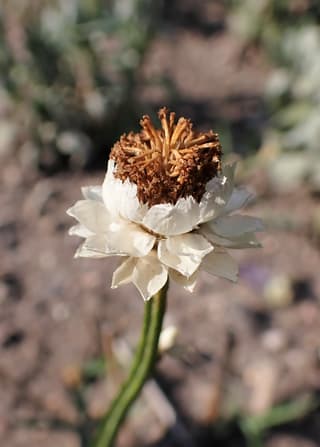
Winged Everlasting
Ammobium alatum
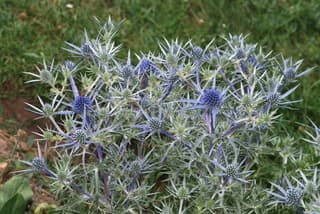
Sea Holly
Eryngium
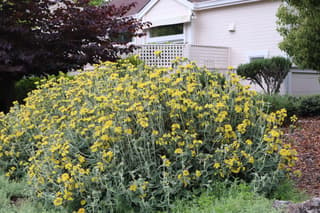
Jerusalem sage
Phlomis
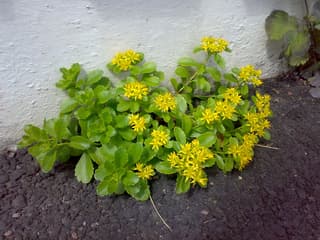
Siberian Stonecrop
Phedimus hybridus
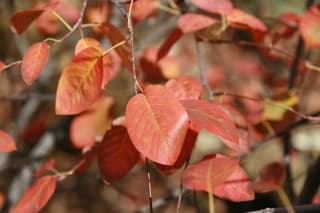
Serviceberry
Amelanchier canadensis
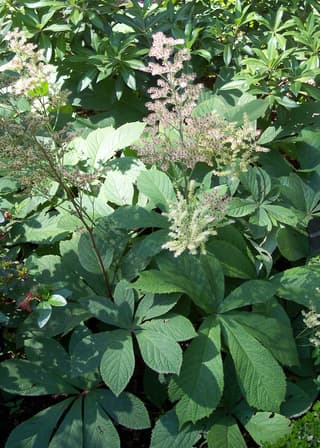
Chestnut-leaf Rodgersia
Rodgersia aesculifolia
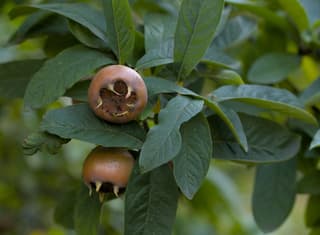
Medlar
Mespilus germanica
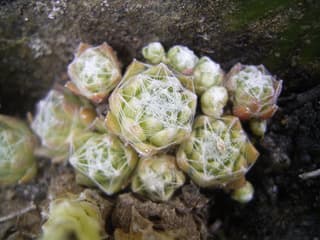
Cobweb Houseleek
Sempervivum arachnoideum
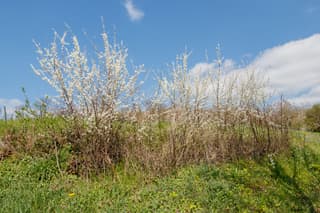
Blackthorn
Prunus spinosa
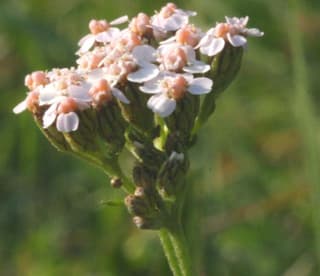
Pink Yarrow
Achillea × roseoalba
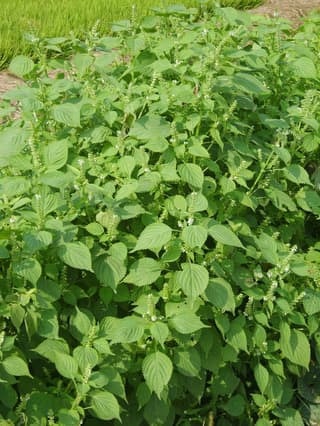
Shiso
Perilla frutescens
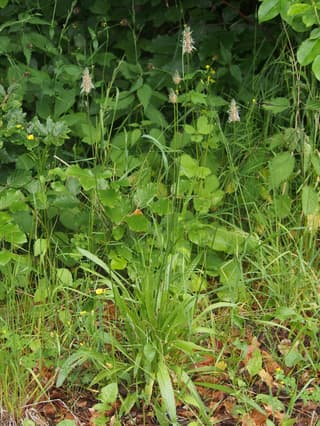
Ribwort Plantain
Plantago lanceolata
Brazilian Ironweed
Vernonanthura polyanthes
Parkland County Climate for Plant Growing
Parkland County has a climate with an average annual temperature of 5.3°C and average relative humidity of 71.2%. These climate conditions are ideal for various species of ornamental and fruit plants.
Tips for Growing Plants in Parkland County
To succeed in growing plants in Parkland County, consider the average temperature of 5.3°C when choosing your species. Protect cold-sensitive plants during winter. High humidity favors tropical plants, but watch for fungal issues.
Why Choose Plants Adapted to the Local Climate?
Plants adapted to Parkland County's climate require less care, consume less water, and are more likely to thrive. Our selection considers the compatibility between each species' needs and local climate conditions, including temperature (5.3°C) and humidity (71.2%).