1451 Easy Pet Safe | 2026 Guide - Page 22
Find 1451 easy pet safe. Complete guide for your garden.
1451 Pet Safe with easy level
Showing 757-792 of 1451
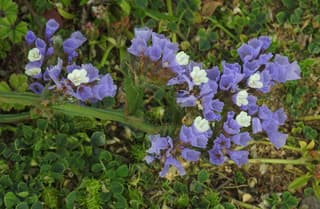
Sea Lavender
Limonium
Limonium is a genus of approximately 120 species of halophytic perennial and annual plants native to coastal zones worldwide, including the Mediterranean, Atlantic coasts, and Central Asia. Recognizable by their airy, branching stems bearing tiny papery flowers in purple, white, and pink, they are prized both as garden ornamentals and as cut flowers — fresh or dried — in the floristry industry.
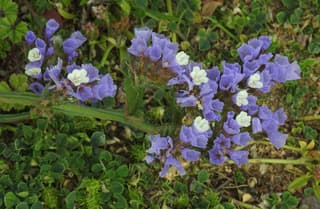
Statice
Limonium sinuatum
Limonium sinuatum, commonly known as statice or sea lavender, is a Mediterranean coastal plant celebrated for its papery, everlasting flowers. It thrives in sandy, well-drained soils and is highly drought- and salt-tolerant, making it a favorite for seaside gardens and dried flower arrangements.
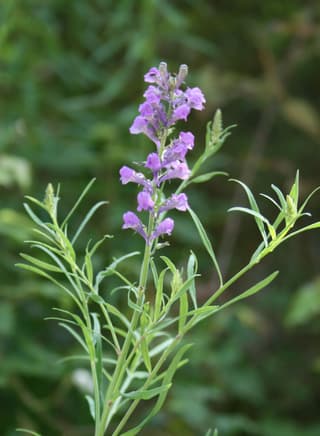
Purple Toadflax
Linaria purpurea
Linaria purpurea, commonly known as Purple Toadflax, is a slender Mediterranean perennial native to southern Italy. It produces tall, wiry stems adorned with narrow blue-green leaves and long racemes of tiny snapdragon-like violet-purple flowers from late spring through autumn. A cottage-garden classic, it self-seeds freely and attracts bees and butterflies.
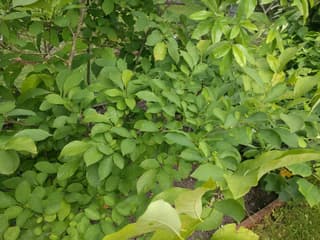
Spicebush
Lindera benzoin
Lindera benzoin, commonly known as spicebush or northern spicebush, is a densely branched, deciduous shrub in the laurel family (Lauraceae), native to the moist woodlands of eastern North America. In early spring, before the leaves appear, small clusters of yellow flowers cover the bare branches. When crushed, the leaves release a spicy, citrus-like fragrance and turn bright yellow in the fall, while female plants bear ornamental bright red berries that are consumed by dozens of bird species.
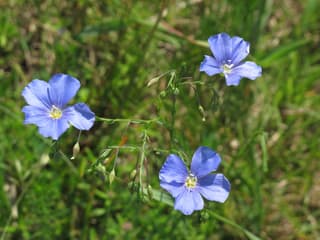
Austrian flax
Linum austriacum
Austrian flax (Linum austriacum) is a perennial herbaceous wildflower in the flax family (Linaceae), native to East-Central Europe and Western and Central Asia. It grows in dry, warm grasslands and on limestone-rich, stony slopes. Reaching 30-60 cm in height with erect, densely branched stems, its azure blue flowers bloom between May and July—sometimes until September—typically opening only in the morning.
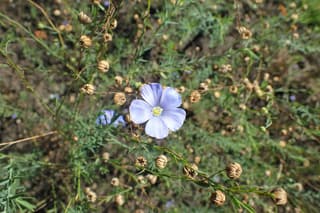
Lewis Flax
Linum lewisii
Lewis Flax (Linum lewisii) is a native wildflower of western North America, celebrated for its sky-blue petals that bloom each morning and fall by midday. A hardy herbaceous perennial in the Linaceae family, it thrives in dry, open landscapes and is a staple of wildflower gardens, meadows, and xeriscape designs.
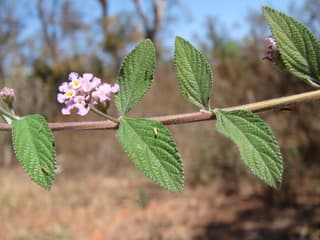
Bushy Lippia
Lippia alba
Bushy Lippia (Lippia alba) is a fast-growing, aromatic perennial shrub native to tropical and subtropical Americas, from Argentina to southern Mexico, and widely naturalized across the Caribbean and parts of Asia and Australia. It features small, elliptical, rough-textured leaves with serrated edges that release a pleasant citrus-herbal scent when crushed. Tiny white to lilac flowers arranged in dense clusters bloom from spring through summer, attracting bees and other pollinators. Highly adaptable and resilient, it thrives in a wide range of conditions and is valued both as an ornamental and a potent medicinal herb.
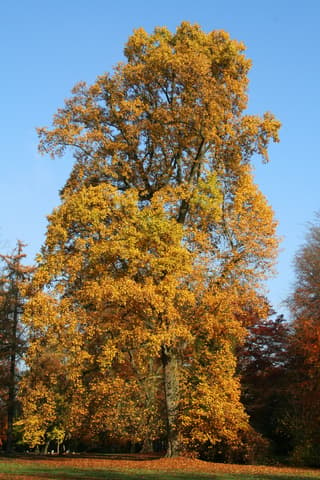
tuliptree
Liriodendron tulipifera
Liriodendron tulipifera, commonly known as the Tuliptree or Tulip Poplar, is one of the largest and most majestic deciduous trees native to eastern North America. It is characterized by its unique four-lobed leaves and large, tulip-shaped flowers that appear in late spring. The flowers are greenish-yellow with a vibrant orange band at the base. It is a fast-growing hardwood that can reach massive heights, often serving as a canopy tree in forests.
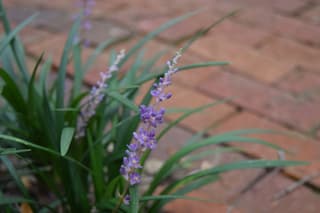
Big Blue Lilyturf
Liriope muscari
Liriope muscari, commonly known as Big Blue Lilyturf or Monkey Grass, is a clump-forming evergreen perennial native to East Asia. It produces arching, grass-like dark green foliage and upright spikes of violet-purple flowers resembling grape hyacinths in late summer. Extremely adaptable, it thrives in sun or shade and is widely used as a groundcover, border edging, and lawn alternative.
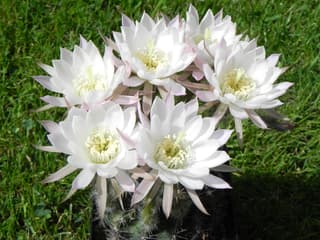
Easter Lily Cactus
Lobivia ancistrophora
Lobivia ancistrophora is a small globular cactus native to Argentina and Bolivia, belonging to the Cactaceae family. It forms compact clumps of ribbed, dark green globes adorned with hooked central spines. In summer it produces spectacular large white fragrant flowers that open at night and last less than 24 hours, repeating several times throughout the season.
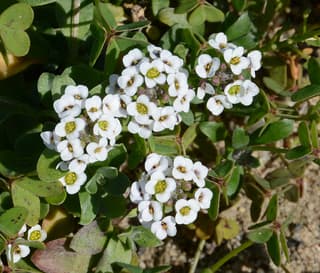
Sweet Alyssum
Lobularia maritima
Small annual herbaceous plant native to the Mediterranean, member of the Brassicaceae family. Cultivated as an ornamental for its profusion of tiny aromatic flowers in white, pink, purple, and lavender tones. Ideal for borders, containers, and ground cover in gardens. Blooms copiously during spring and summer, with a sweet fragrance reminiscent of honey and new-mown hay, attracting bees and butterflies.
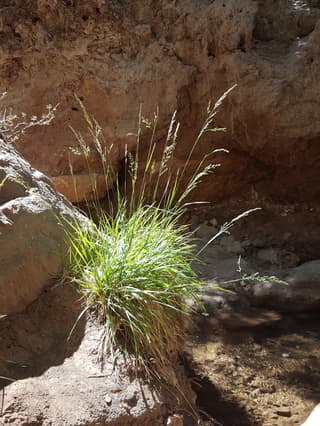
Tall Fescue
Lolium arundinaceum
Tall Fescue (Lolium arundinaceum) is a robust cool-season perennial grass native to Europe and widely naturalized worldwide. Renowned for its deep root system — extending up to 3 feet — it is one of the most heat- and drought-tolerant cool-season grasses available. It forms dense clumps and grows vigorously in spring and fall, thriving in a wide range of soils and light conditions from full sun to partial shade. It is widely used for lawns, pastures, erosion control, and sports fields.
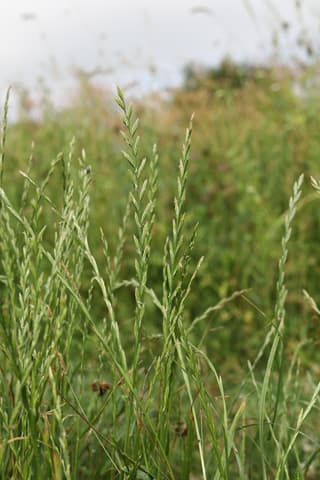
Perennial ryegrass
Lolium perenne
Perennial ryegrass (Lolium perenne) is one of the most widespread and important perennial turfgrasses in the world. A member of the Poaceae (grass) family, it is a bunch-forming perennial with dense, shiny, dark green leaves, growing to a height of 10–80 cm. Due to its outstanding wear tolerance and exceptional recovery capacity, it is extensively used on sports fields, airports, parks, and home lawns. With rapid germination (5–10 days) and a vigorous growth rate, it is one of the most reliable turf-forming grasses, while also serving as an important forage crop in agriculture.
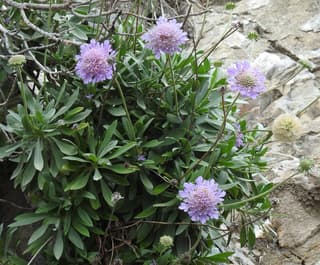
Cretan Scabious
Lomelosia cretica
The Cretan Scabious (Lomelosia cretica, formerly known as Scabiosa cretica) is a low-growing, semi-evergreen perennial shrub in the honeysuckle family (Caprifoliaceae), native to the eastern Mediterranean basin, primarily the island of Crete. Its characteristic pincushion-shaped, lavender-pink flowers bloom from late spring to mid-summer above silvery gray-green, ovate-lanceolate leaves, held by white-tomentose stems. It is a drought-tolerant, sun-loving species best suited for rock gardens and Mediterranean-style plantings with well-ventilated, calcareous soil.
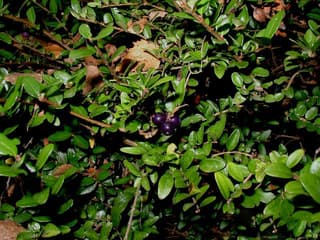
Boxleaf Honeysuckle
Lonicera nitida
Lonicera nitida, commonly known as Boxleaf Honeysuckle, is a fast-growing evergreen shrub native to China. It is widely valued in horticulture for its dense, small-leaved foliage that responds exceptionally well to clipping and shaping. Frequently used for hedging, topiary, ground cover, and border planting, it produces small, fragrant white flowers in spring followed by blue-purple berries.
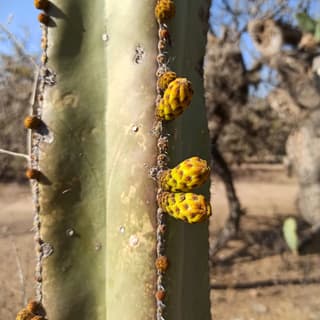
Mexican Fencepost Cactus
Lophocereus marginatus
The Mexican Fencepost Cactus (Lophocereus marginatus) is a tall columnar cactus native to Mexico, traditionally used as a living fence in rural areas. Its upright, spine-laden stems form effective natural barriers. It grows rapidly, potentially exceeding 20 feet, and produces small pinkish-red flowers in spring and summer.
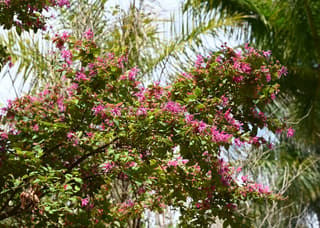
Chinese Fringe Flower
Loropetalum chinense
The Chinese fringe flower (Loropetalum chinense) is an evergreen shrub in the Hamamelidaceae family, native to China, Japan, and northern India. It is highly valued in ornamental gardening for its striking ribbon-like or fringed flowers, which bloom in clusters toward the end of winter and early spring, and for its foliage, which in popular varieties (such as var. rubrum) takes on deep purple or burgundy tones under direct sunlight. With a medium growth rate and compact habit, it is commonly used as a hedge, specimen shrub, or border plant in temperate to warm climate gardens.
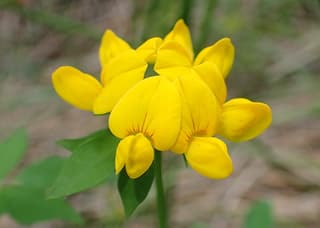
Greater Bird's-foot Trefoil
Lotus pedunculatus
Greater bird's-foot trefoil (Lotus pedunculatus) is a herbaceous perennial legume native to Europe, found in damp meadows, wet ditches, marshes and riverbanks. It differs from related trefoils by its always-hollow stem and reflexed sepals. It bears clusters of golden-yellow flowers and, as a nitrogen-fixing legume, is valued both as a forage crop and as a wildlife-friendly ornamental for wet gardens and pond margins.
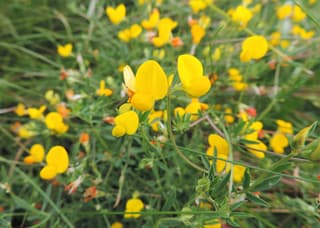
Narrow-leaved bird's-foot trefoil
Lotus tenuis
Lotus tenuis, commonly called narrow-leaved bird's-foot trefoil, is a low-growing perennial legume in the pea family (Fabaceae), closely related to Lotus corniculatus. Native to Europe and southwestern Asia and now naturalized worldwide, it forms compact, bushy clumps 30-45 cm tall with slender, hairless leaflets and clusters of bright yellow flowers that fade to orange-red with age. As a nitrogen-fixing legume it improves soil fertility naturally and is prized for pollinator-friendly meadows, erosion control, and low-input forage plantings.
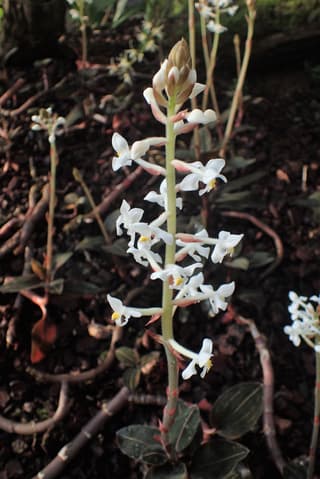
Jewel Orchid
Ludisia discolor
Ludisia discolor, commonly known as the Jewel Orchid, is a terrestrial orchid prized for its stunning velvety foliage rather than its flowers. Native to the tropical forests of Southeast Asia, this orchid features deep green to nearly black leaves adorned with shimmering gold, red, or pink veins and burgundy undersides. Unlike most orchids, it grows in soil rather than on trees, spreading via creeping rhizomes to form dense, elegant clumps.
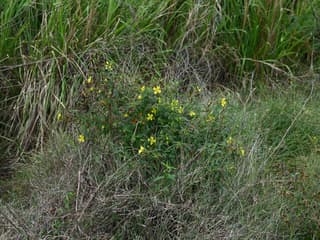
Mexican Primrose-Willow
Ludwigia octovalvis
Ludwigia octovalvis, commonly known as the Mexican primrose-willow, is a perennial plant in the Onagraceae family, native to tropical and subtropical regions worldwide. It grows naturally along riverbanks, marshes, rice paddies, ditches, and wetlands, reaching up to 3 meters in height. Its erect, branched stems become woody at the base, while the lanceolate, glossy leaves add elegance to the plant's stature. The four-petaled yellow flowers are numerous and appear along the branches during spring and summer, attracting pollinators such as bees and insects. It is widely used in ethnomedicine by Asian, African, and American communities to treat gastrointestinal conditions, rheumatism, diabetes, and skin problems.
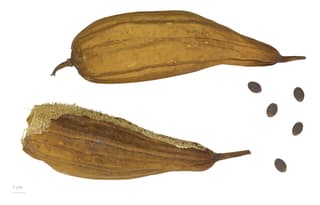
Sponge Gourd
Luffa aegyptiaca
Luffa aegyptiaca, commonly known as Sponge Gourd or Smooth Loofah, is a vigorous annual climbing vine in the Cucurbitaceae family, native to South and Southeast Asia. Widely cultivated throughout the tropics, it is prized for its fibrous mature fruits that dry into natural sponges used for bathing and cleaning. The plant produces showy bright yellow flowers and can reach up to 9 meters in length with proper support.
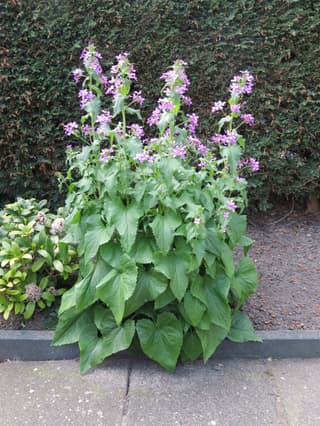
Honesty
Lunaria
Honesty (Lunaria annua) is a biennial member of the Brassicaceae (cabbage) family, grown in gardens worldwide for its fragrant pink, purple, and white spring flowers and, above all, for its translucent, silvery seed pods that resemble coins or full moons. Native to southeastern Europe and western Asia, the plant spends its first year as a low rosette of leaves and only flowers in its second year, reaching 60-90 cm tall. After flowering, the flat green seed pods mature and shed their outer layers, revealing a papery, shimmering inner septum prized in dried floral arrangements.
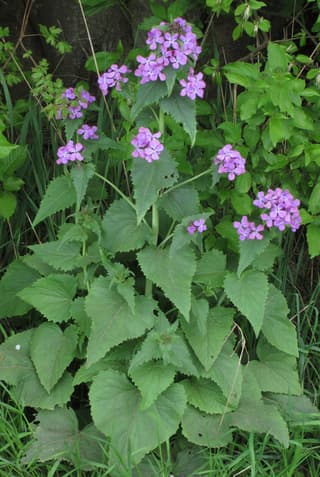
Honesty
Lunaria annua
Honesty (Lunaria annua) is a cottage-garden biennial in the mustard family, grown for its purple-to-white spring flowers and, later, its papery, translucent, coin-shaped seed pods that are prized in dried arrangements.
Woodrush
Luzula
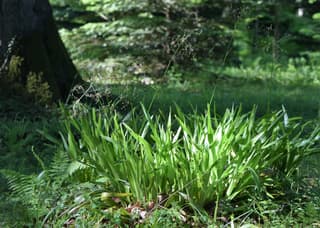
Luzula is a genus of grass-like evergreen perennials in the rush family (Juncaceae), commonly called woodrushes. They form dense clumps of glossy green leaves fringed with fine silky hairs, topped in spring by airy panicles of small brown and cream flowers on arching stems. Shade-tolerant and low-maintenance, they are grown chiefly as ground cover in woodland gardens and shaded borders.
Gypsywort
Lycopus europaeus
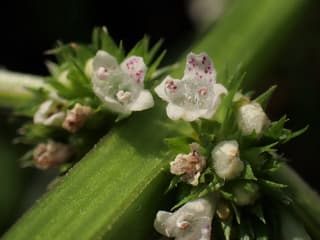
Gypsywort (Lycopus europaeus) is a perennial herbaceous plant from the mint family (Lamiaceae), widely distributed throughout Europe, the Caucasus, and West Asia. It prefers to grow on banks, in reeds, and sedge stands on wet to flooded, nutrient-rich soils. The plant, 30 to 120 cm tall, forms opposite, deeply lobed leaves whose shape resembles a wolf's paw – hence the German and Latin names (Greek "lykos" = wolf, "pous" = foot). From July to September, small white, violet-dotted labiate flowers appear in the leaf axils, attracting numerous wild bees, hoverflies, and butterflies. The vigorous plant spreads rapidly via underground runners.
Loosestrife
Lysimachia
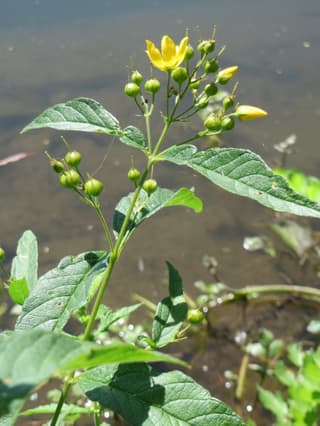
Lysimachia is a large and diverse genus of flowering plants in the family Primulaceae, commonly known as loosestrifes. The genus encompasses around 180 species of annuals and perennials native to temperate regions across the Northern Hemisphere, with the greatest diversity found in China. Species range from upright border perennials like Lysimachia punctata (dotted loosestrife) and Lysimachia vulgaris (yellow loosestrife) to ground-hugging creepers like Lysimachia nummularia (creeping Jenny). Flowers are typically five-petaled and appear in yellow, white, pink, or purple. Many species thrive in moist to wet environments, making them excellent choices for pond margins, rain gardens, and boggy areas.
Creeping Jenny
Lysimachia nummularia
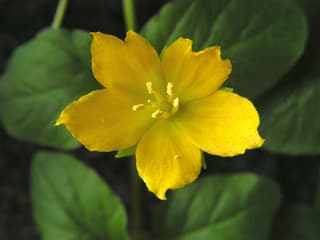
Lysimachia nummularia, commonly known as Creeping Jenny, is a vigorous, low-growing perennial ground cover. It features small, rounded, lime-green to golden leaves that resemble coins, and produces bright yellow, cup-shaped flowers in the summer. It is highly valued for its ability to quickly cover ground in damp areas and its beautiful trailing habit in containers. It can also be grown submerged in aquariums.
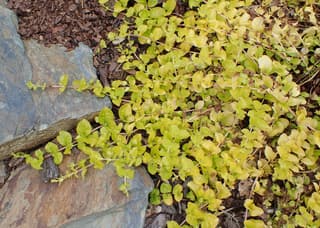
Golden Creeping Jenny
Lysimachia nummularia 'Aurea'
Lysimachia nummularia 'Aurea' is a golden-foliaged cultivar of the European Creeping Jenny, forming dense, low-growing mats of bright yellow-green to golden foliage. It is widely used as a ground cover, in bog gardens, along water features, and in hanging baskets.
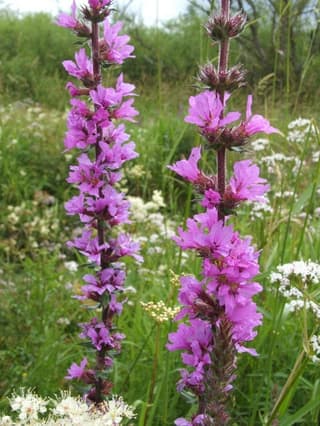
Loosestrife (genus)
Lythrum
Lythrum is a genus of herbaceous perennial plants in the family Lythraceae, found across wetlands, riverbanks, and marshy areas worldwide. The most well-known species, L. salicaria (purple loosestrife), produces dense spikes of rose-purple flowers in summer and is considered invasive in North America.
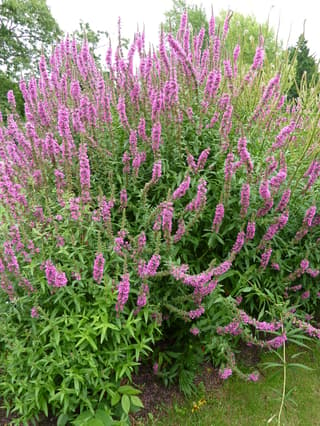
Purple Loosestrife
Lythrum salicaria
Purple loosestrife is a wetland perennial native to Europe and Asia, prized for its tall, showy spikes of magenta-purple flowers that bloom through summer. It grows vigorously in moist meadows, marshes, and pond margins. WARNING: it is a highly invasive species in North American wetlands, where it forms dense monocultures that crowd out native vegetation — planting and sale are banned or restricted in many US states and Canadian provinces.
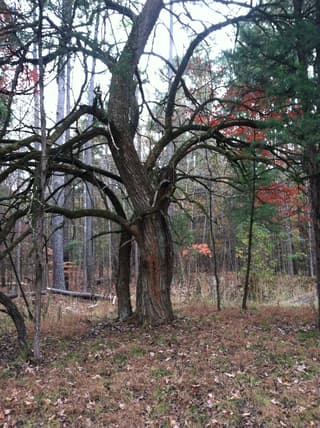
Osage Orange
Maclura pomifera
Osage orange (Maclura pomifera) is a medium to large deciduous tree native to the river valleys of Oklahoma, Texas, and Arkansas. It is best known for its large, wrinkled, yellow-green fruit that resembles an orange but is inedible to humans. Historically planted as a thorny living fence before the invention of barbed wire, its extremely dense, durable wood was prized by Native American tribes for making bows -- earning it the name bois d'arc (wood of the bow).
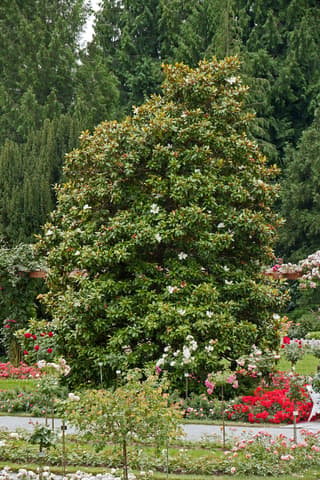
Southern Magnolia
Magnolia grandiflora
Magnolia grandiflora, the Southern Magnolia or Bull Bay, is a majestic evergreen tree native to the southeastern United States. It is celebrated for its enormous creamy-white fragrant flowers up to 30 cm across, glossy dark green leaves with distinctive rust-colored undersides, and impressive stature reaching up to 24 meters tall.

Copper Ice Plant
Malephora crocea
Malephora crocea is a low-growing, evergreen succulent groundcover from the Aizoaceae family, native to South Africa. Its fleshy, triangular leaves range in color from grayish-green to reddish, turning a distinct copper-red during periods of drought. From spring to fall, it produces multi-petaled flowers in shades of yellow, orange, or red that only fully open in bright sunlight. Its woody, trailing stems root wherever they touch the ground, forming a dense, spreading carpet.
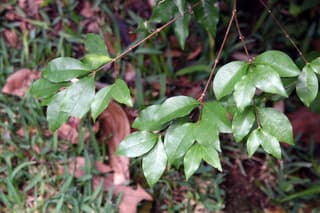
Barbados Cherry
Malpighia glabra
Malpighia glabra, commonly known as Barbados Cherry or Acerola, is a tropical fruit shrub native to the Caribbean and Central and South America. It is celebrated worldwide for producing one of the richest natural sources of vitamin C — small red cherries with a sweet-tart flavor that ripen multiple times per year. Equally valued as an ornamental and edible plant.
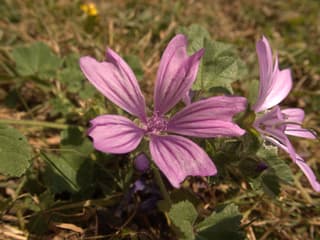
Mallow
Malva
Malva is a genus of herbaceous plants in the family Malvaceae, widely distributed across Europe, Asia, and the Americas. Known for their delicate five-petaled flowers in shades of lilac, pink, and white with dark purple veins, mallows are valued both as ornamental plants and for their long-standing medicinal properties. They thrive in well-drained soils in full sun, producing abundant flowers from summer through fall.
Easy Care Pet Safe
Our selection of 1451 easy pet safe combines the characteristics of this category with reduced care needs. Perfect for beginners who love this category.
Why Choose Easy Pet Safe?
Combining the beauty of pet safe with easy difficulty level lets you enjoy this category without excessive maintenance worries. Each plant was selected to offer the best characteristics of the category at the care level you are looking for.