500 Best Plants for Ashford | 2026 Guide - Page 2
Discover the 500 ideal plants for Ashford's climate. Average temp: 11.4°C, Humidity: 82.1%.
Top 500 Plants for Ashford
Showing 37-72 of 500
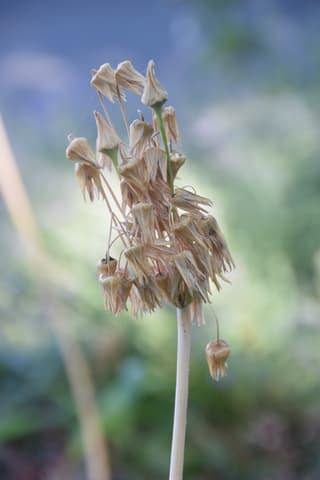
Fire and Ice Hosta
Hosta 'Fire and Ice'
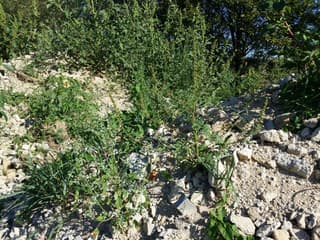
Ragweed
Ambrosia
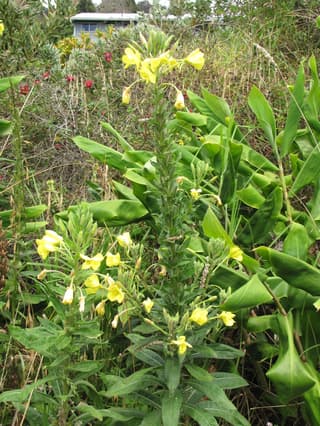
Evening Primrose
Oenothera
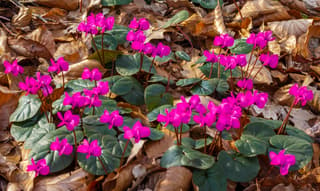
Eastern Cyclamen
Cyclamen coum
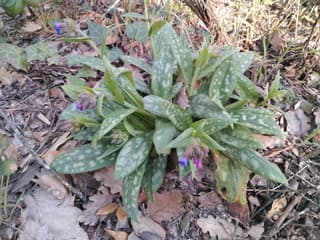
Long-leaved Lungwort
Pulmonaria longifolia
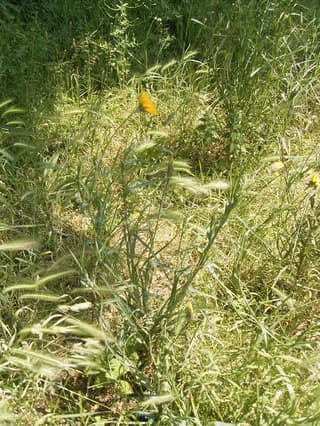
Goat's Beard
Tragopogon
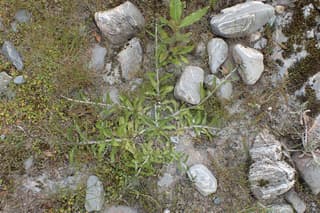
Gray Everlasting
Gamochaeta coarctata
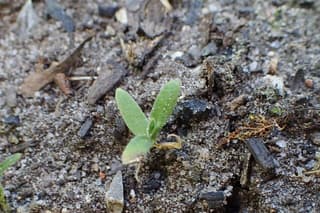
Baby's Breath
Gypsophila
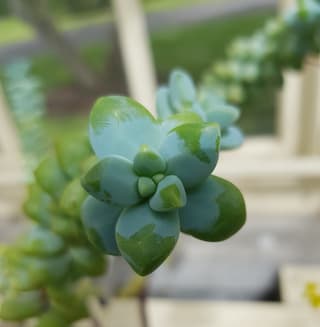
Silver Sedum
Sedum treleasei
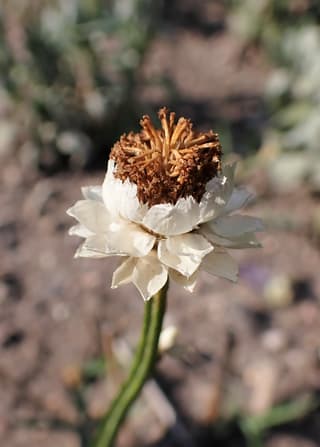
Winged Everlasting
Ammobium alatum
Sea Holly
Eryngium
Jerusalem sage
Phlomis
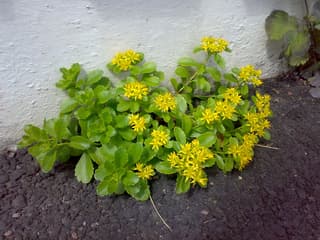
Siberian Stonecrop
Phedimus hybridus
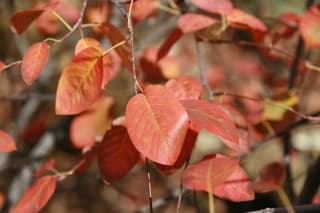
Serviceberry
Amelanchier canadensis
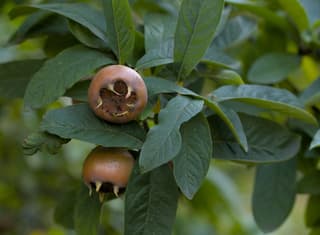
Medlar
Mespilus germanica
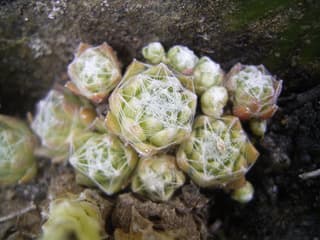
Cobweb Houseleek
Sempervivum arachnoideum
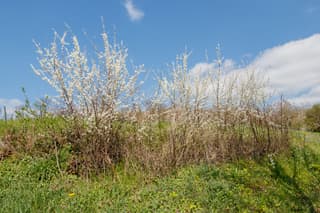
Blackthorn
Prunus spinosa
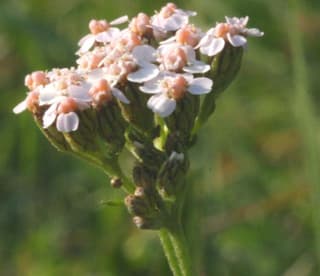
Pink Yarrow
Achillea × roseoalba
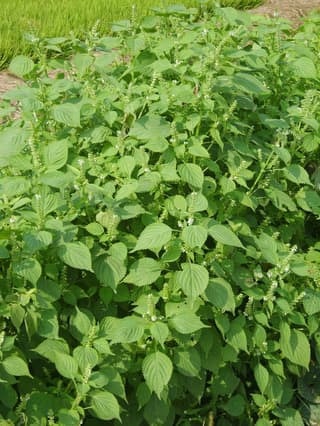
Shiso
Perilla frutescens
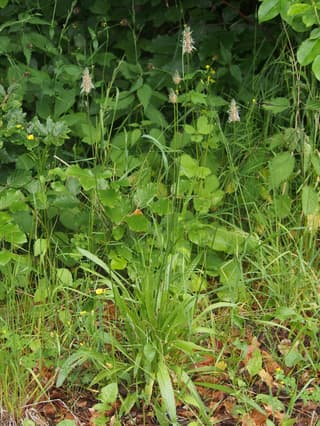
Ribwort Plantain
Plantago lanceolata
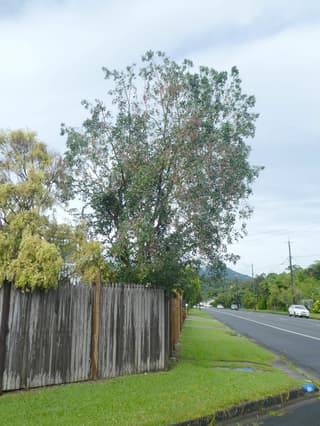
Brush Cherry
Eugenia myrtifolia
Bonnet mushroom
Mycena galericulata
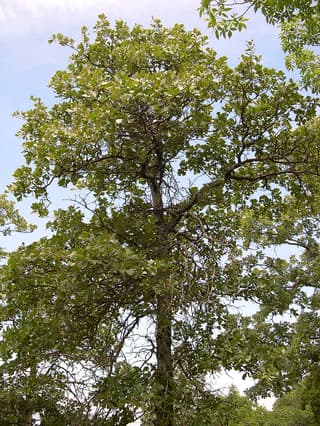
Blackjack Oak
Quercus marilandica
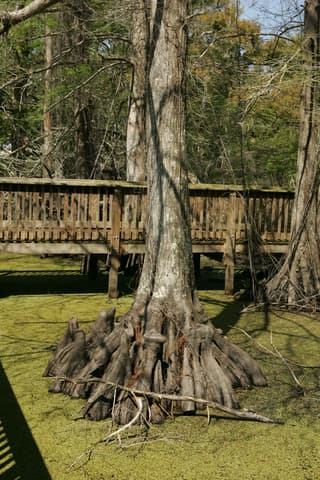
Bald Cypress
Taxodium distichum
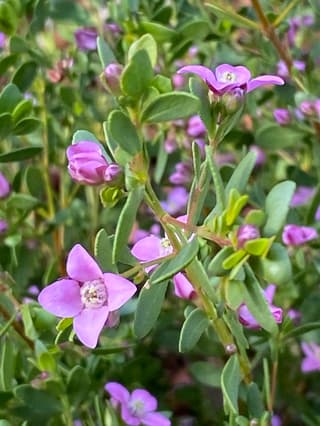
Aniseed Boronia
Boronia crenulata
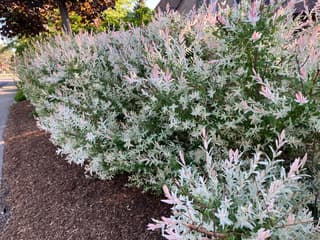
Dappled Willow 'Hakuro Nishiki'
Salix integra 'Hakuro Nishiki'
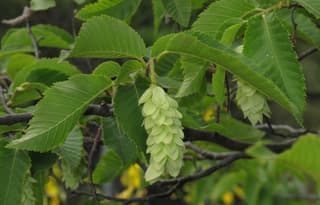
European hop-hornbeam
Ostrya carpinifolia
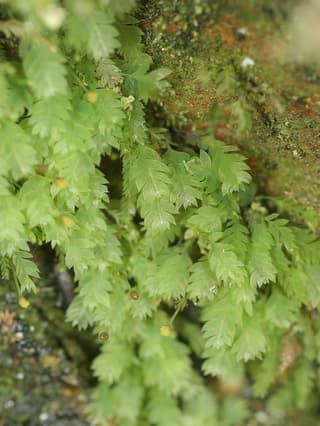
Luminous moss
Schistostega pennata
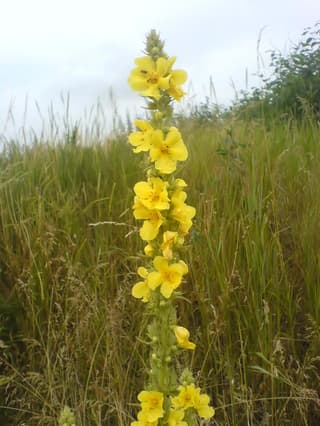
Denseflower Mullein
Verbascum densiflorum
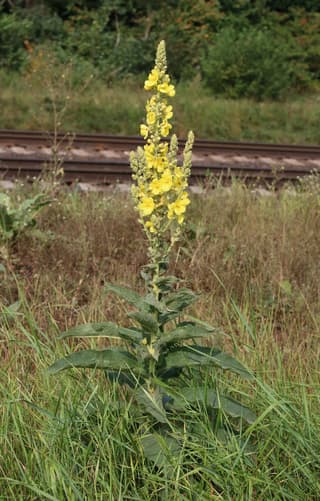
Orange Mullein
Verbascum phlomoides
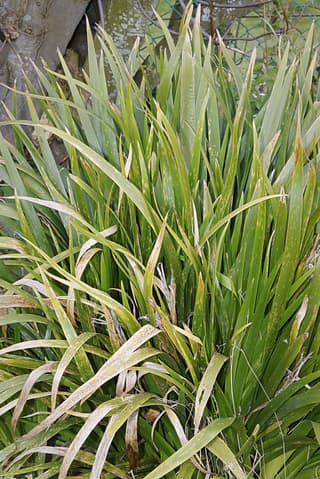
Stinking Iris
Iris foetidissima
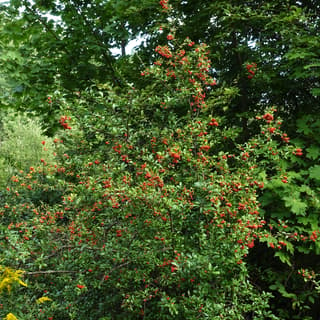
Scarlet Firethorn
Pyracantha coccinea
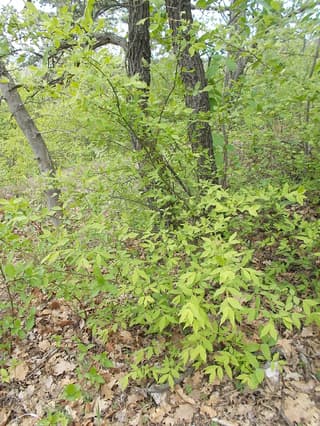
Common Dogwood
Cornus sanguinea
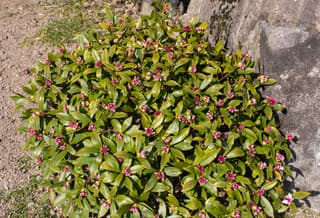
Winter daphne
Daphne odora
Maritime sunburst lichen
Xanthoria parietina
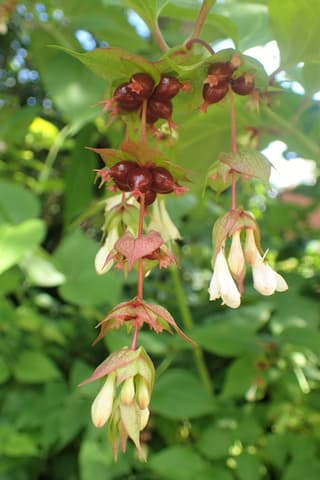
Himalayan honeysuckle
Leycesteria formosa
Ashford Climate for Plant Growing
Ashford has a climate with an average annual temperature of 11.4°C and average relative humidity of 82.1%. These climate conditions are ideal for various species of ornamental and fruit plants.
Tips for Growing Plants in Ashford
To succeed in growing plants in Ashford, consider the average temperature of 11.4°C when choosing your species. Protect cold-sensitive plants during winter. High humidity favors tropical plants, but watch for fungal issues.
Why Choose Plants Adapted to the Local Climate?
Plants adapted to Ashford's climate require less care, consume less water, and are more likely to thrive. Our selection considers the compatibility between each species' needs and local climate conditions, including temperature (11.4°C) and humidity (82.1%).